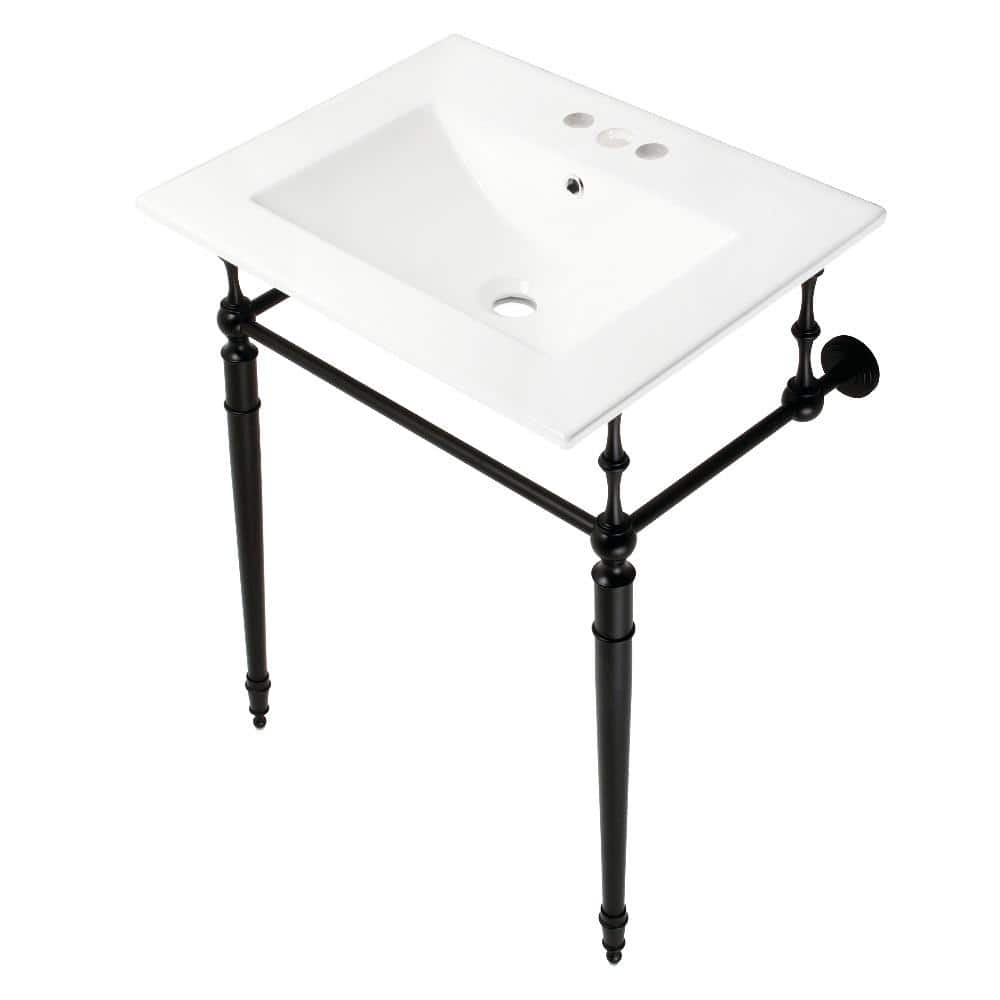
Imagine walking into a room where every element speaks to sophistication and purpose. The humble white ceramic pedestal stands as a quiet testament to how form and function can dance together beautifully. These architectural marvels have been quietly transforming spaces for decades, yet their story remains largely untold. What makes them so compelling? Why do they continue to captivate designers and homeowners alike?
White ceramic pedestals might seem like simple objects at first glance, but they hold a surprising amount of complexity. These structures aren't just decorative elements – they're carefully crafted pieces that serve multiple purposes while maintaining an air of understated elegance. Whether you've noticed one in a museum gallery, a modern living room, or even a quiet corner of a bookstore, there's something about these pedestals that draws the eye. They represent a bridge between traditional craftsmanship and contemporary design thinking.
Historical Roots and Evolution
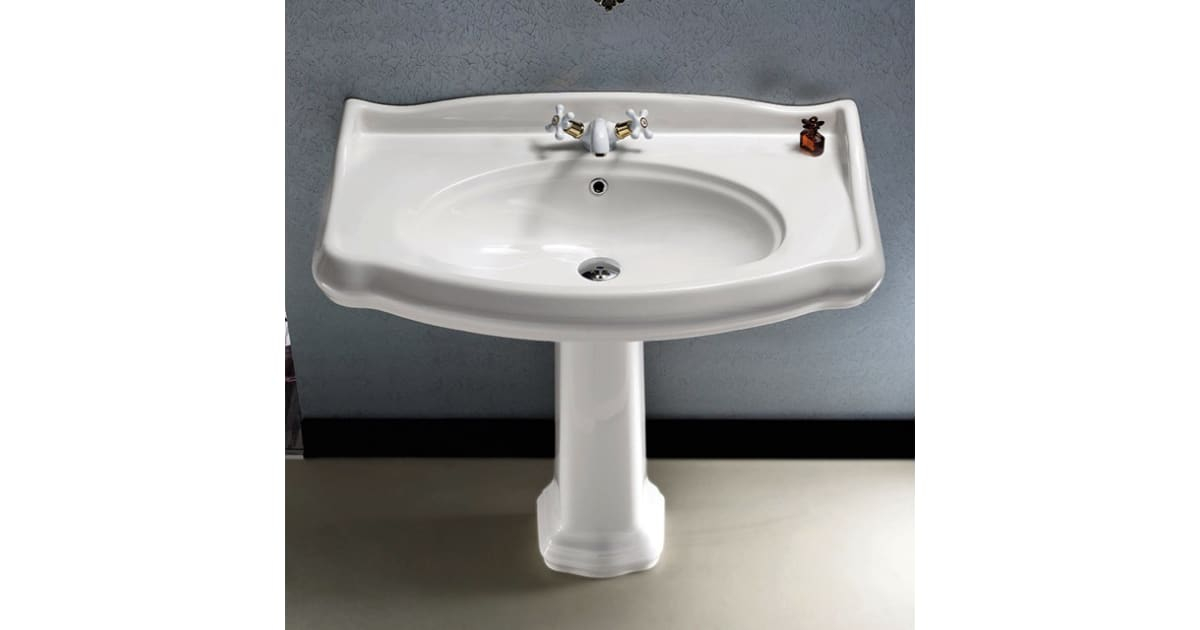
The story of white ceramic pedestals begins centuries ago, when artisans first discovered the magic of shaping clay into supportive forms. Early versions were often utilitarian, serving as simple supports for vases or small objects. But as techniques evolved, so did their sophistication. The Victorian era brought about ornate designs that showcased intricate hand-carved details, while the industrial revolution introduced mass production methods that made them more accessible. Today's pedestals blend traditional skills with modern aesthetics, creating pieces that honor both heritage and innovation. Consider how a 19th-century hand-painted ceramic base differs from a contemporary minimalist version – each tells its own story of cultural evolution.
Design Elements That Define Their Character
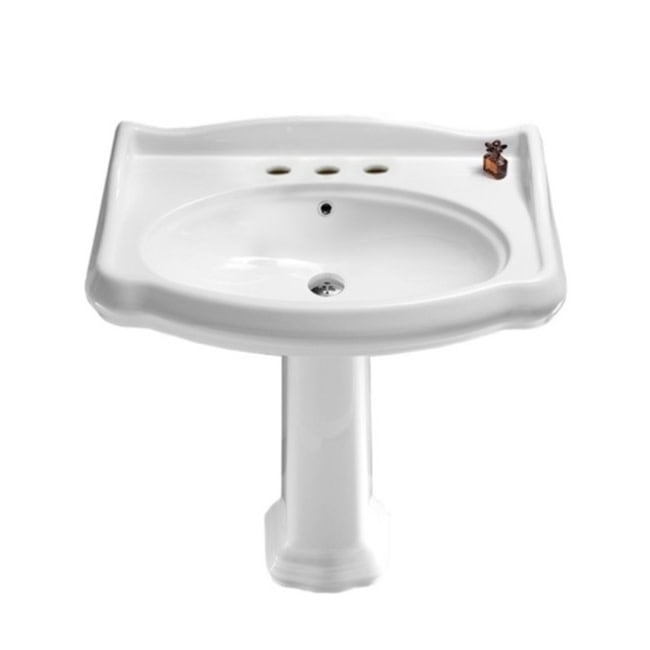
What makes a white ceramic pedestal truly special lies in its design characteristics. The proportions matter greatly – a well-balanced pedestal strikes a harmony between height and width that feels naturally pleasing. Surface textures play a crucial role too; some feature smooth glazes that reflect light beautifully, while others embrace matte finishes that create subtle shadows. The thickness of the base affects stability and visual weight, creating different moods. For instance, a thick, solid base might feel grounding and substantial, whereas a thinner profile could appear more ethereal and delicate. The rim design also contributes significantly – whether flared outward or gently curved inward, these edges influence how the eye moves around the piece.
Functional Versatility in Modern Spaces
These pedestals serve far more than just aesthetic purposes. In practical terms, they provide stable platforms for display items, from books and plants to sculptures and decorative objects. Many people find themselves drawn to their utility, especially in smaller spaces where every square inch counts. A single pedestal can transform a coffee table area into a gallery space, or elevate a simple bookshelf to become a focal point. The versatility extends beyond home settings – museums use them extensively to showcase artifacts, while commercial spaces employ them to create visually appealing retail displays. Think about how a single pedestal can change the entire atmosphere of a room simply by providing a new anchor point for visual elements.
Material Properties and Quality Considerations
The choice of ceramic material itself tells a story about durability and care requirements. High-quality white ceramic typically features dense body construction that resists chipping and cracking better than lighter alternatives. Glaze quality matters enormously – a good glaze not only enhances appearance but also protects against stains and moisture. Some manufacturers use special firing techniques that create unique surface textures or colors within the ceramic matrix. When evaluating quality, consider factors like weight distribution, finish consistency, and overall structural integrity. A well-made pedestal should feel substantial in hand and demonstrate consistent craftsmanship throughout its construction.
Design Trends and Contemporary Applications
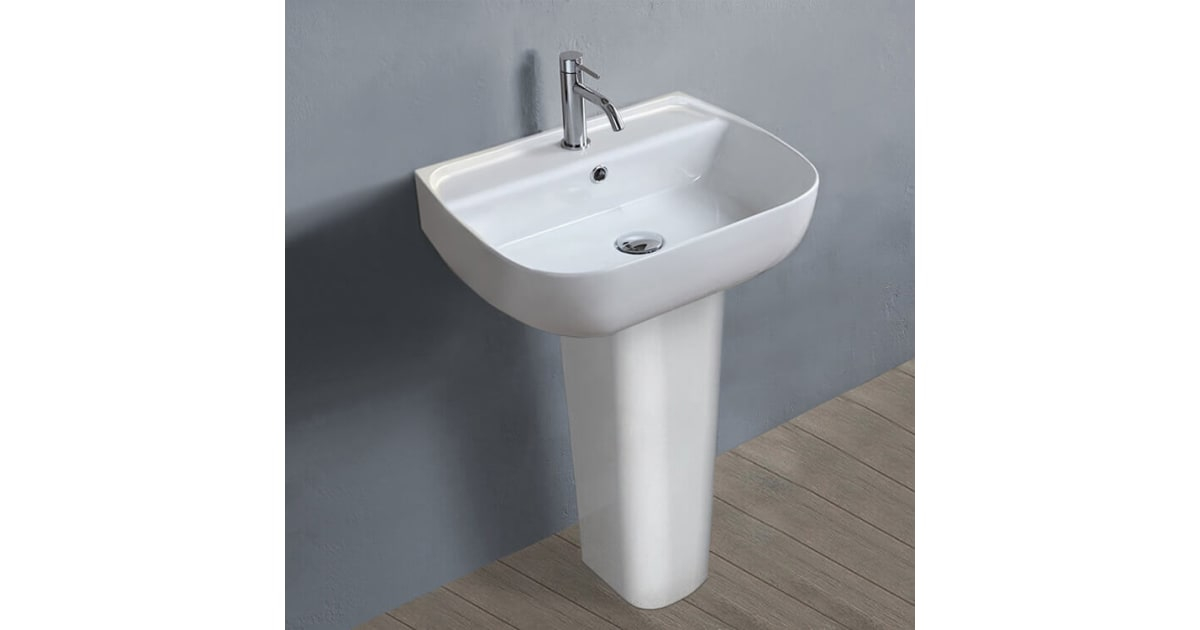
Current trends in pedestal design show a shift toward cleaner lines and more minimalist approaches. Many contemporary makers emphasize geometric shapes and clean silhouettes, often incorporating natural materials or organic influences. Sustainable practices are becoming increasingly important, with some artisans using recycled materials or eco-friendly glazes. The integration of technology also plays a role – some modern pedestals incorporate hidden lighting systems or smart features that enhance their functionality. Designers today are experimenting with layering different textures, mixing materials, and creating unexpected combinations that challenge traditional expectations. The trend toward multifunctional furniture means pedestals are being designed with additional features like built-in storage or adjustable heights.
Maintenance and Care Best Practices
Proper maintenance ensures that white ceramic pedestals remain beautiful for years to come. Regular dusting with soft cloths prevents buildup of particles that could scratch surfaces. For deeper cleaning, gentle soap solutions work well, though harsh chemicals should be avoided as they can damage glazes. It's important to avoid extreme temperature changes, which can cause thermal shock and lead to cracking. When moving a pedestal, always lift rather than drag it to prevent damage to both the piece and surrounding surfaces. Storage during seasonal changes or extended absences requires careful consideration – ideally, pedestals should be stored in protective cases or wrapped carefully to prevent accidental damage.
White ceramic pedestals embody a remarkable marriage of artistry and practicality that continues to evolve. From their historical beginnings to their current role in contemporary design, these structures prove that beauty and utility need not be mutually exclusive. Whether you're considering adding one to your personal space or simply appreciating their presence in public areas, understanding their design principles and functions adds depth to your appreciation. The enduring popularity of these pedestals suggests that we're drawn to objects that combine thoughtful engineering with aesthetic refinement. In our fast-paced world, perhaps that's exactly what we all seek – pieces that offer both stability and grace, utility and beauty. They remind us that sometimes the most profound design decisions happen in the simplest forms.