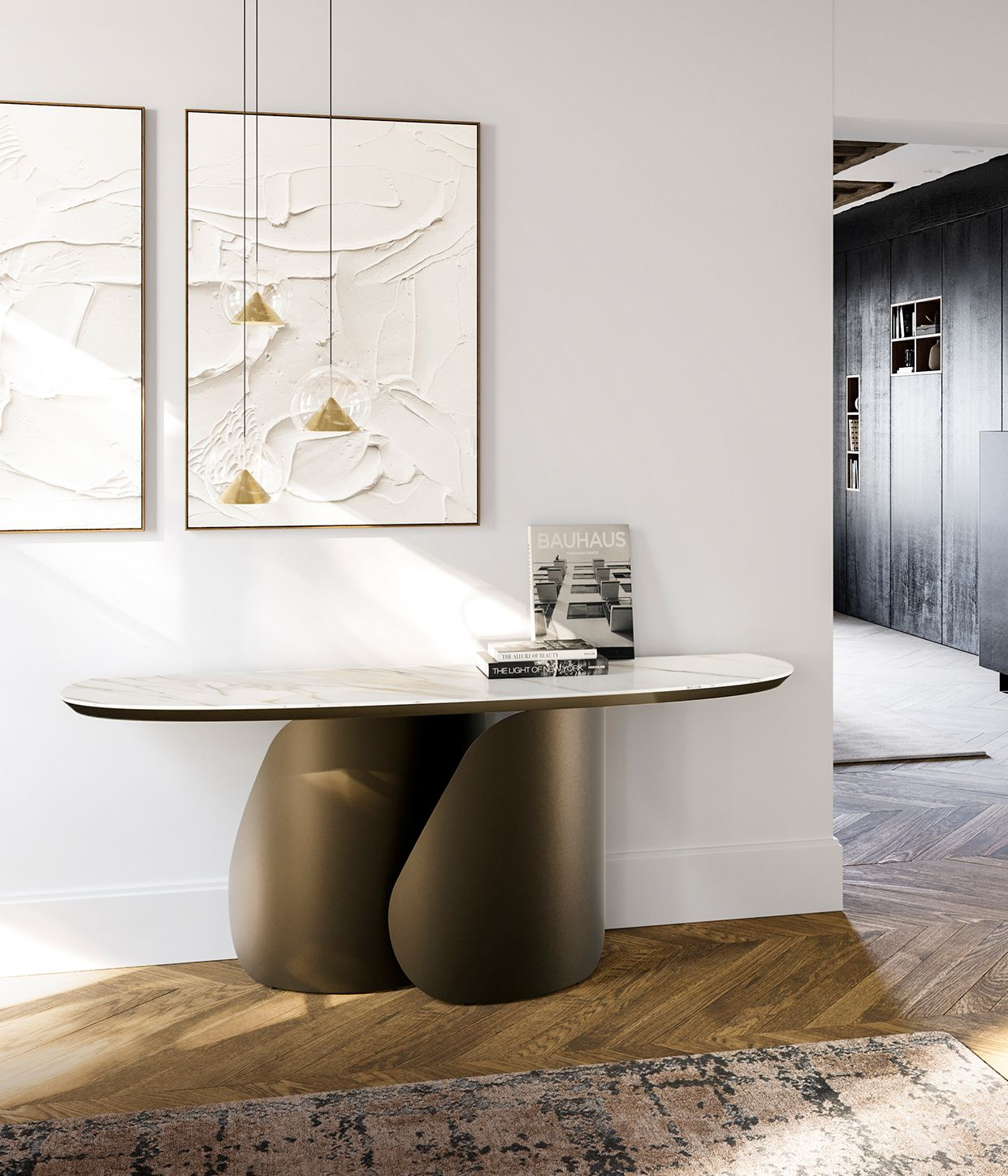
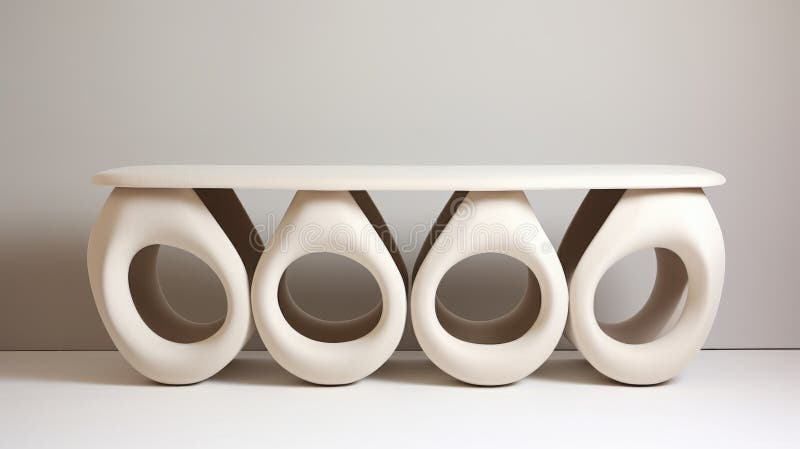
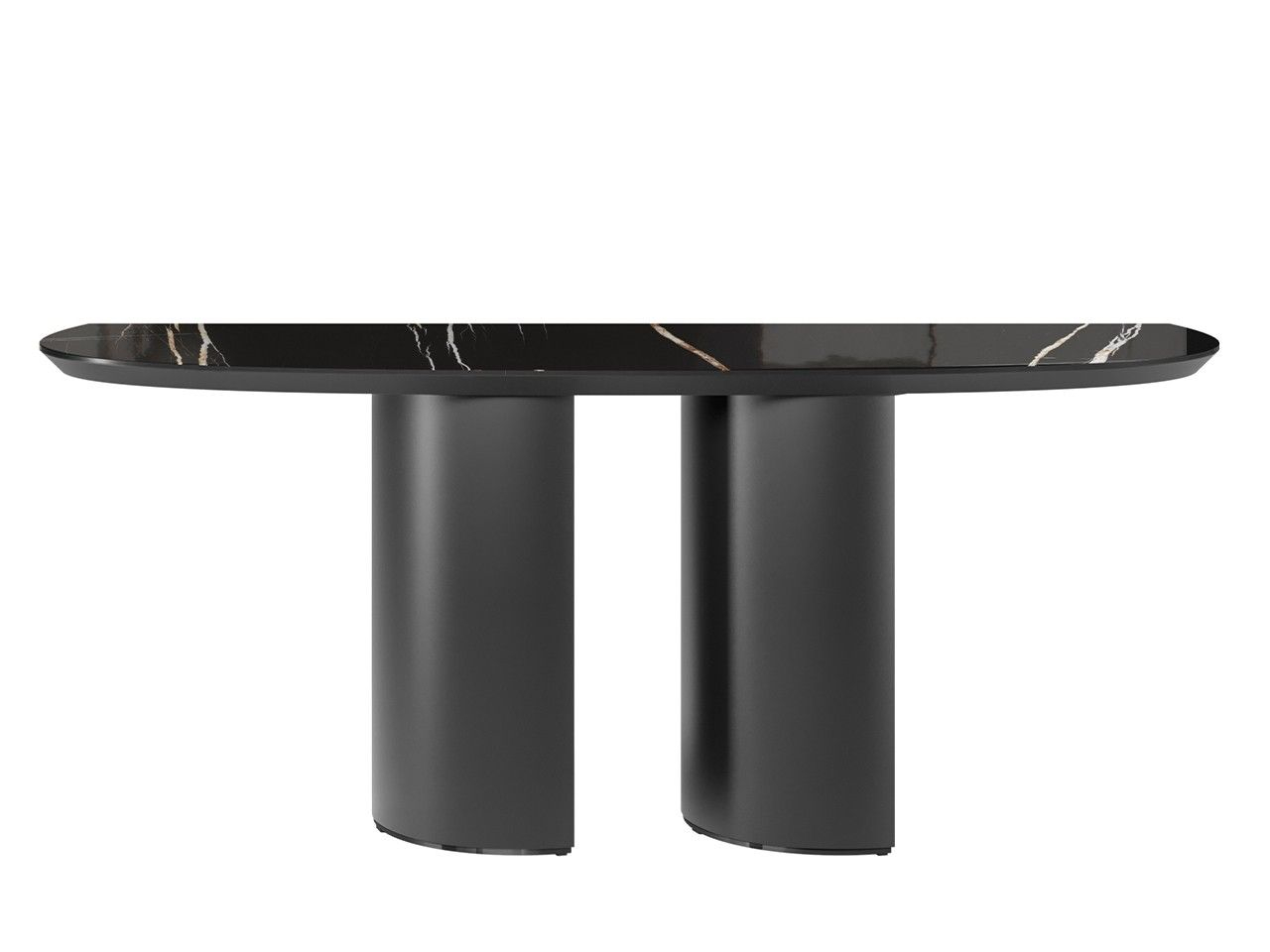
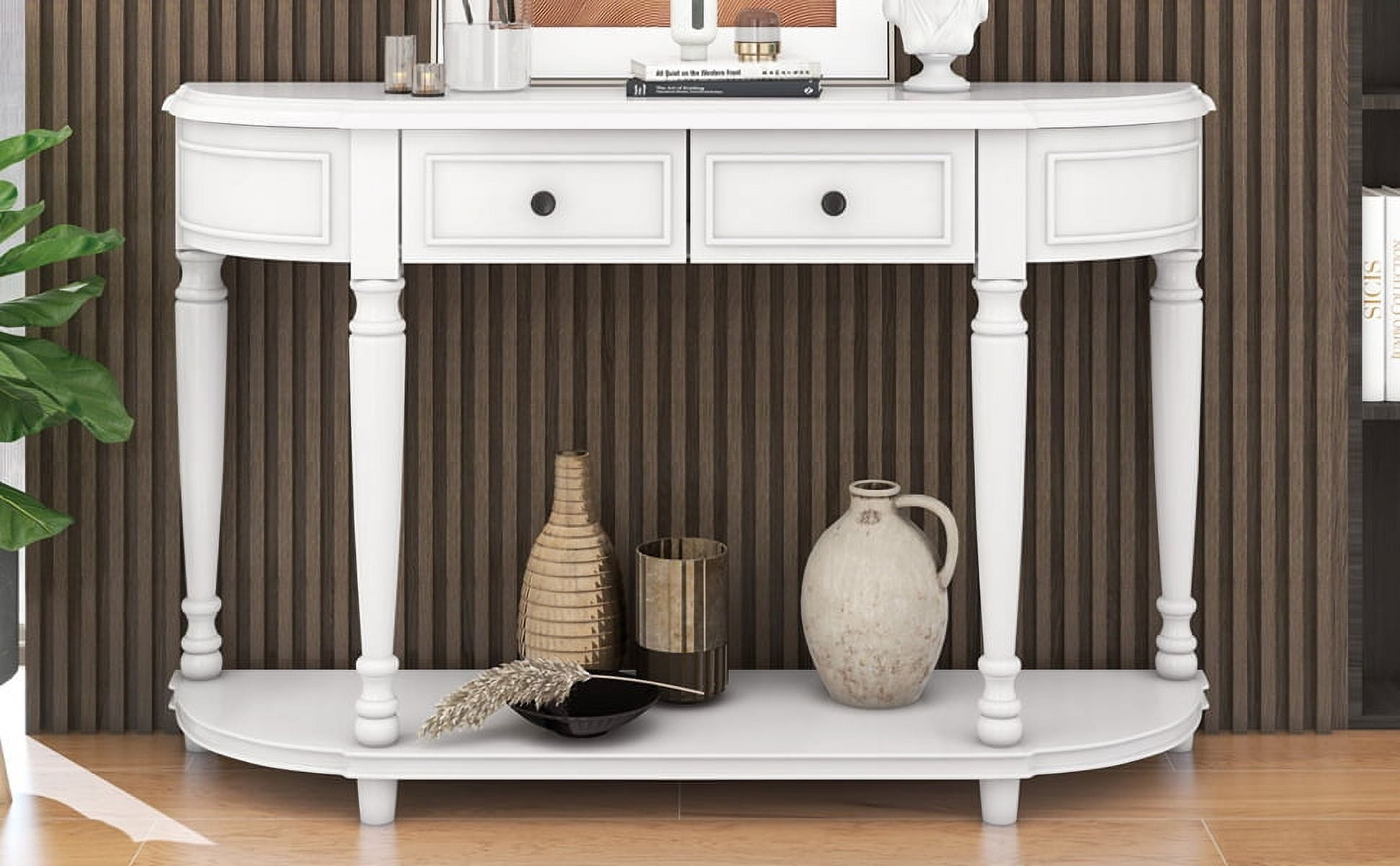
Every home deserves a statement piece that brings both style and function together. Console tables are those versatile unsung heroes that sit quietly in our living rooms, waiting to transform the entire vibe of the space. But how do you choose the right one? What makes a console table truly work for your home? Let's explore.
Picture this: You walk into a living room, and something catches your eye immediately. It's not the sofa or the coffee table – it's the elegant console that sits against the wall, perfectly balancing form and function. That's the magic of a well-chosen console table. It's more than just a piece of furniture; it's a design element, a storage solution, and sometimes even a conversation starter. But with so many options available, picking the right one can feel overwhelming. The truth is, finding the perfect console isn't about following trends – it's about understanding your space, your lifestyle, and what you want to accomplish with your furniture. Whether you're looking to add visual interest, create a functional entryway, or simply fill a gap in your room, the right console can make all the difference.
Understanding Your Space and Layout
Before you even think about aesthetics, you need to know your space inside and out. Measure everything carefully – the width of the wall, the height of the ceiling, and especially the clearance needed for walking around. Consider how traffic flows through the room. Will people walk past the console? Does it need to accommodate a TV or other electronics? A good console should enhance the flow rather than block it. Think about the room's existing design elements too. If you have a modern minimalist setup, a sleek, simple console will fit right in. But if your space is more eclectic, maybe a console with interesting textures or unusual shapes could add some personality. The key is matching the console to the overall vibe of your space. Don't just measure the physical dimensions – also consider the emotional space you're trying to create. A console can be a quiet focal point, or it can command attention. Understanding your room's rhythm helps you choose the right piece.
Size Matters More Than You Think
This might sound obvious, but sizing a console correctly can make or break your living room's look. A console that's too big can overwhelm the space, making it feel cramped and chaotic. On the other hand, a console that's too small can get lost or look like an afterthought. The golden rule is to keep the console roughly 70% of the wall length it occupies. So if you have a 6-foot wall, your console should be somewhere between 4 and 5 feet wide. But don't stop there. Consider proportions. A tall, narrow console works well in a long hallway, while a shorter, wider one might be better for a cozy sitting area. Also, think about how tall your console should be. It should ideally be no taller than the furniture it's placed next to – a rule of thumb is that it shouldn't exceed 30 inches in height. And remember, it's often better to err on the side of slightly smaller rather than larger. A slightly undersized console can still be functional and visually pleasing, but an oversized one can dominate your space and make it feel off-balance.
Material and Style Selection
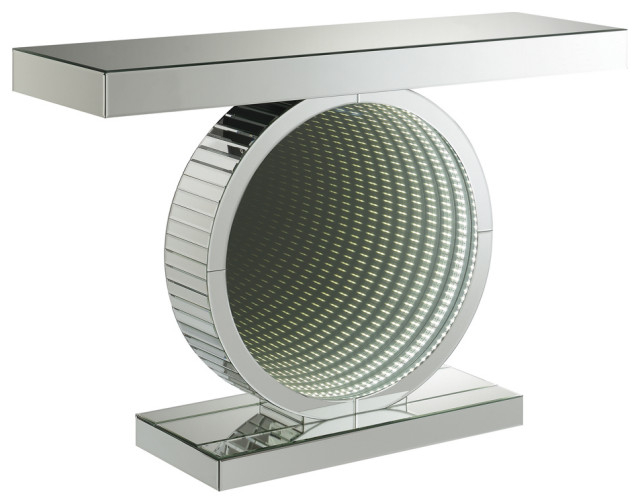
The material of your console tells a story. Wood consoles bring warmth and natural beauty to any room, whether you go for rich walnut, light oak, or rustic reclaimed wood. They're classic choices that tend to age gracefully and pair well with most decor styles. Metal consoles offer a contemporary edge, especially when they feature clean lines and industrial elements. They're great for modern spaces but might not suit traditional interiors. Glass consoles can make a room feel lighter and more open, but they require more maintenance and may not work in homes with young children or pets. Fabric or velvet surfaces add softness and texture, though they're less durable. When choosing materials, consider durability, maintenance requirements, and how well they'll blend with your existing furniture. For example, a dark wood console might clash with a light, airy living room. Style-wise, there are countless options. Traditional consoles often feature carved details and ornate designs. Modern ones tend to be clean and minimalistic. Industrial consoles incorporate raw materials like metal and wood in unexpected ways. Contemporary designs blur the lines between traditional and modern, offering versatility. Try to pick a style that feels authentic to your personal taste and fits with your home's overall aesthetic.
Functionality and Storage Needs
A console isn't just about looks – it needs to serve a purpose. Start by identifying what you want to store. Do you need space for books, decorative objects, or electronic accessories? Consider how much storage you actually need versus how much you think you might want. Too much storage can clutter the surface, while too little leaves you searching for a place to put things. Think about accessibility. If you're placing items on top of the console, make sure they're easy to reach and won't fall off. Drawers and shelves provide hidden storage that keeps your space neat. Some consoles come with built-in lighting, which can be useful for displaying items or creating ambiance. Others feature adjustable shelving that lets you customize the internal space. Don't forget about practical elements like cable management. If you're using the console near a TV or entertainment center, you'll want to hide wires and cables. A console with a back panel that allows for wire routing can be a game changer. Consider also how the console will handle daily wear and tear. If you have kids or pets, you might want a more durable finish or material that can handle spills and scratches.
Budget and Quality Considerations
Console tables range widely in price, from under $50 to several thousand dollars. The key is finding the sweet spot where quality meets affordability. You don't always need to spend a fortune to get something that looks great and lasts long. Look for solid construction – check if the joints are sturdy, the finish is even, and the hardware feels substantial. Pay attention to craftsmanship details. Are the edges smooth? Is the surface properly sealed? These small things often reveal a lot about the product's quality. Reading reviews can be incredibly helpful, especially if you're considering a mid-range option. Sometimes you'll find a great deal on a well-reviewed console that offers excellent value. However, don't sacrifice quality for savings. A poorly made console might look fine initially, but it could develop problems quickly. If you're on a tight budget, consider buying a simpler style with fewer decorative elements. These often hold up better and are easier to match with different décor over time. Remember that investing in a quality piece pays off in longevity and satisfaction. A well-made console that you love will be a centerpiece in your home for years to come.
Placement Tips and Design Integration
Where you place your console matters just as much as what you choose. The best placement depends on your room's layout and intended function. Often, consoles work well against a wall that faces the main entrance, creating a welcoming first impression. They're also popular in hallways, where they can serve as a transition space between rooms. In living areas, placing a console behind the sofa creates a sense of depth and provides a designated spot for displaying items. But don't feel confined to these rules. Sometimes a console in an unexpected location – like across from a window or beside a reading chair – can create a unique focal point. Consider how the console interacts with surrounding elements. Will it complement or contrast with nearby furniture? Does it need to be the dominant feature or a subtle accent? Lighting plays a huge role too. Natural light can highlight a console's best features, while strategic artificial lighting can create dramatic shadows or showcase special items. Finally, think about how the console affects the room's proportions. It should enhance the space, not compete with it. Sometimes a console that seems slightly too large can actually make a room feel more balanced when placed strategically.
Choosing the right console table is both an art and a science. It requires careful consideration of space, style, functionality, and budget. But once you've found that perfect piece, it becomes so much more than furniture – it becomes part of the story your home tells. The right console can tie together disparate design elements, provide essential storage, and create a warm welcome for guests. It's a decision that reflects your personality and lifestyle. Remember, there's no one-size-fits-all approach. What works for someone else might not work for you. Trust your instincts, measure carefully, and don't be afraid to experiment. The journey of finding your ideal console is part of the joy of decorating your living space. Take your time, enjoy the process, and let your home's personality shine through the choices you make. After all, your console should make you happy every single day you see it.