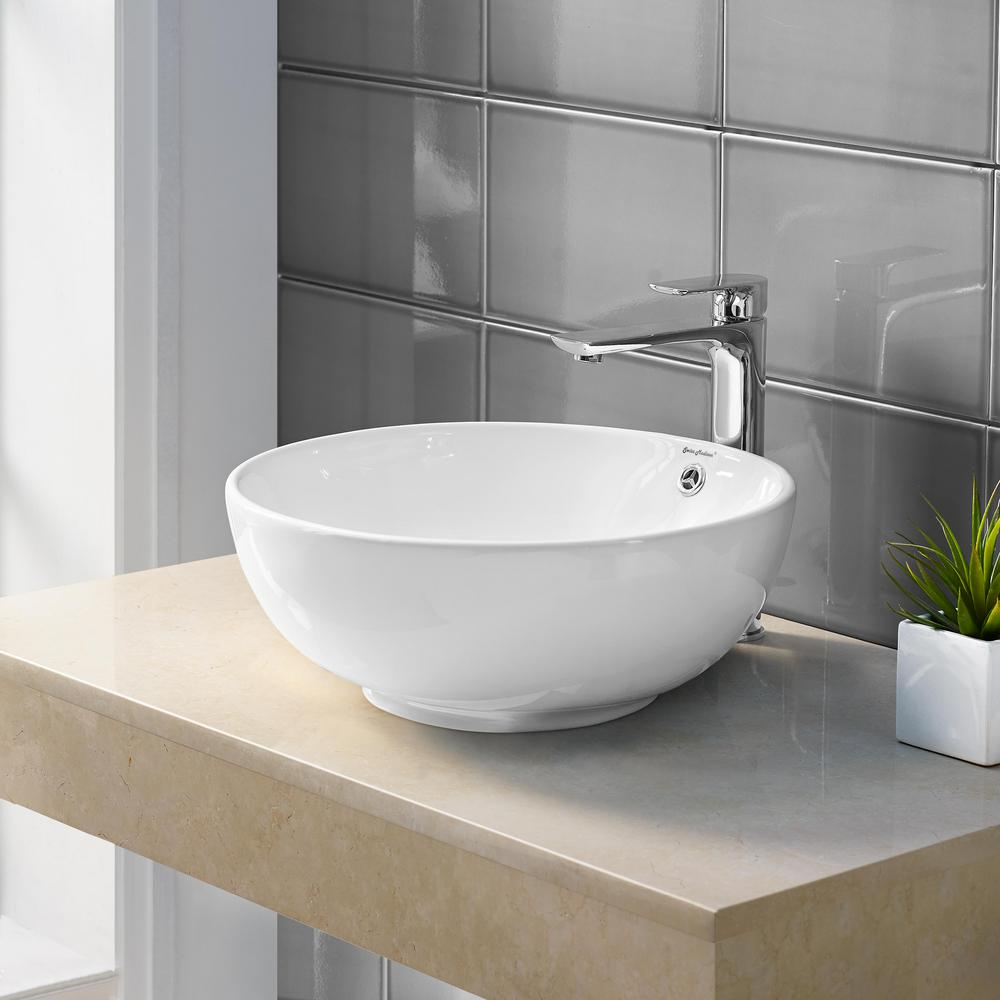
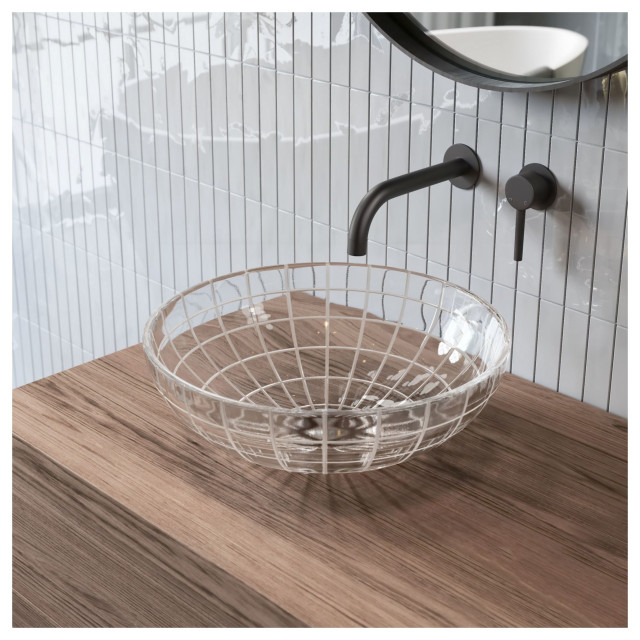
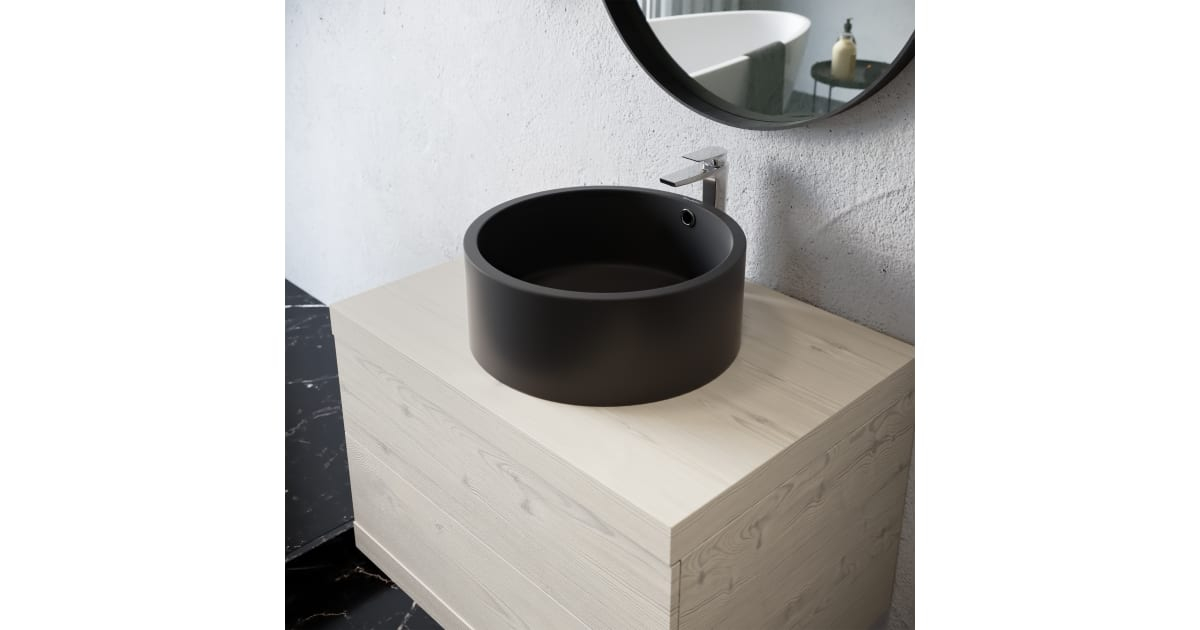
In the world of ceramics, few names evoke such refined elegance and meticulous attention to detail as Swiss Madison. Their circular ceramic collections represent more than just beautiful objects—they're testament to centuries-old techniques married with modern innovation. What makes these pieces truly special isn't just their visual appeal, but the extraordinary journey each one takes from clay to final masterpiece.
When you hold a Swiss Madison circular ceramic piece, you're touching something far more profound than mere pottery. These collections embody a marriage between traditional craftsmanship and contemporary design sensibilities. The circular form, often considered the most fundamental shape in ceramic art, becomes a canvas for exploring texture, color, and form in ways that feel both timeless and refreshingly new. Every curve, every glaze application, and every finishing touch tells a story of dedication and artistic vision.
The Foundation of Circular Excellence
The circular form in ceramics isn't just aesthetically pleasing—it's structurally challenging. Unlike rectangular pieces that can be easily shaped and dried, circular forms require exceptional skill and patience. The process begins with selecting premium clays, often sourced from specific regions known for their unique mineral compositions. Swiss Madison artisans spend countless hours working with these materials, understanding how different clays respond to temperature, moisture, and pressure.
Consider the technique of wheel throwing. This ancient method requires precise hand movements and steady rhythm. A single misstep can cause the entire piece to collapse. Yet when executed perfectly, the result is a vessel that seems to breathe with life. The circular shape demands constant adjustment and gentle guidance as the clay spins, requiring the potter to develop an almost intuitive connection with their material.
Handcrafted Precision and Traditional Techniques
What sets Swiss Madison apart isn't just their use of traditional methods, but their mastery of them. Each piece undergoes multiple stages of hand-finishing, ensuring no two items are exactly alike. The artisans employ techniques passed down through generations, including slip trailing, where liquid clay is carefully applied to create decorative patterns.
The drying process alone can take weeks, sometimes months. Temperature control is critical—the environment must be carefully regulated to prevent cracking or warping. Many pieces go through several rounds of bisque firing, where they're heated to high temperatures to harden the clay structure before glazing.
This attention to detail means that even the smallest imperfections become part of the piece's character. A slight irregularity in the rim might seem like a flaw, but it often adds to the organic beauty that collectors seek.
Glazing Mastery and Color Science
The glaze application process represents perhaps the most artistic aspect of Swiss Madison's work. Glazes aren't simply painted on—they're carefully formulated mixtures of minerals that transform the surface during firing. Each color requires specific chemical compositions and firing temperatures.
For instance, achieving a deep cobalt blue requires precise amounts of cobalt oxide mixed with silica and fluxing agents. The glaze must be applied evenly, yet the artisan's touch determines how it flows and interacts with the clay surface. Some pieces receive multiple glaze layers, creating depth and complexity that changes with light and angle.
The firing process itself can last anywhere from 12 to 48 hours. During this time, the kiln reaches temperatures exceeding 1,300 degrees Celsius. The atmosphere inside the kiln—whether oxidizing or reducing—can dramatically alter the final appearance of colors. Swiss Madison artisans understand these subtle variables, using them to create unique effects rather than avoiding them.
Circular Forms and Functional Beauty
The circular collection extends beyond mere aesthetics to embrace functionality. These pieces aren't just decorative—they're designed for daily use. Consider a circular serving dish that holds both practicality and visual appeal. The curved edges provide easy handling, while the bowl's shape maximizes capacity without compromising stability.
Each piece in the collection reflects careful consideration of proportions. The relationship between height and diameter, the thickness of walls, and the weight distribution all contribute to usability. A circular teacup, for example, needs to balance comfort in hand with appropriate volume for tea. Too large and it becomes unwieldy; too small and it fails its purpose.
These considerations make the circular form particularly challenging to master. It demands not just technical skill, but an understanding of how form relates to function in everyday life.
Sustainability and Environmental Consciousness
Modern ceramic production faces increasing scrutiny regarding environmental impact. Swiss Madison addresses this challenge through thoughtful practices that honor both tradition and responsibility. Their clay sourcing often involves local suppliers, reducing transportation emissions while supporting regional communities.
The firing process, though energy-intensive, uses modern kilns designed for efficiency. Many pieces are fired in electric kilns that allow precise temperature control, minimizing fuel consumption. Additionally, waste clay and glaze materials are often recycled back into the production cycle.
Their commitment extends to packaging, using minimal, recyclable materials. This approach aligns with growing consumer awareness about sustainability without compromising the quality and integrity of their products. The circular philosophy extends beyond form to encompass environmental stewardship.
The Human Element in Modern Production
Perhaps most importantly, Swiss Madison's circular collections reflect the irreplaceable value of human craftsmanship. In an age of mass production, each piece carries the individual mark of its creator. The subtle variations in texture, the slight differences in curve, and the unique character of each glaze application show unmistakable signs of human touch.
Artisans often work in small teams, sharing knowledge and techniques across generations. An apprentice might learn basic wheel throwing while a master craftsman handles the delicate glaze applications. This collaborative approach ensures that traditional skills remain alive and evolving.
The personal investment in each piece is evident. When you purchase a Swiss Madison circular ceramic item, you're not buying a commodity—you're acquiring a unique creation that embodies the passion, skill, and dedication of its maker. That connection between creator and owner gives these pieces lasting value beyond their physical beauty.
Swiss Madison's circular ceramic collections represent the pinnacle of artisanal excellence, where ancient techniques meet contemporary design. Through careful material selection, masterful execution, and deep respect for both craft and environment, these pieces demonstrate what happens when passion meets precision. Each circular form tells a story of dedication, creativity, and the enduring power of handmade objects. Whether displayed as art or used daily, these ceramics invite us to slow down, appreciate beauty, and connect with the human touch that makes everything meaningful. The journey from clay to completion is long, but the result—a perfectly balanced circle of ceramic artistry—is worth every moment of patient craftsmanship.