Every kitchen has its own personality, and the sink is often the unsung hero that makes everything run smoothly. When you're working with limited space, choosing the right small undermount sink becomes even more crucial. It's not just about fitting in the cabinet - it's about creating a functional, beautiful space that works for your daily routine. Whether you're renovating a cozy apartment kitchen or updating a compact home office, finding that perfect balance between size, style, and function can feel like searching for a needle in a haystack. But what exactly should you look for when selecting a small undermount sink? Let's dive into the essential factors that will guide you toward the best choice.
Let's face it - kitchen sinks are often the first thing people notice when they walk into a space. They're practical, they're essential, and they can either make or break the entire aesthetic. For those with smaller kitchens or limited counter space, a small undermount sink isn't just a convenience - it's a necessity. These compact fixtures offer a sleek look while maximizing utility. But with so many options available, how do you know which one will work best for your situation? The key lies in understanding what matters most in terms of dimensions, material choices, installation requirements, and personal preferences. Think of it like picking out a well-fitted pair of jeans - it needs to be comfortable, functional, and look good too.
Understanding Undermount Sink Basics
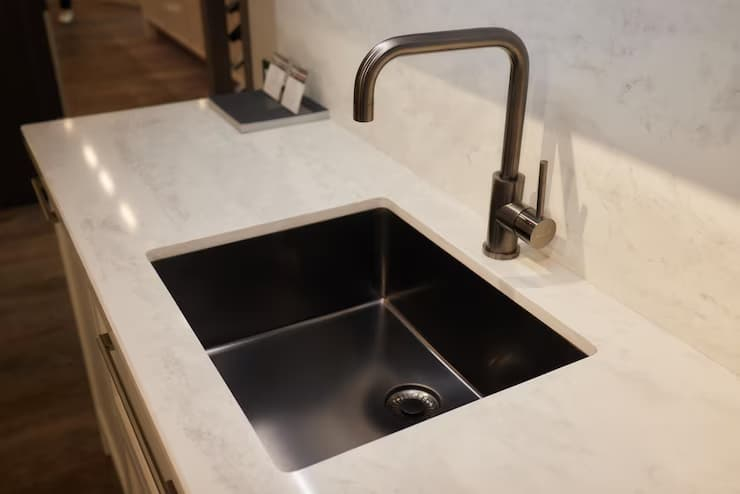
Before diving into the specifics, let's cover some fundamentals. An undermount sink sits beneath the countertop surface, creating a seamless look that's both modern and easy to clean. This design eliminates the traditional rim that can collect dirt and grime. For smaller spaces, this clean line can make a room feel more open and airy. The installation process requires more precision than standard drop-in models, but the results are worth it. You'll notice less edge buildup, easier cleaning, and a smoother transition from countertop to sink basin. When dealing with tight quarters, undermount sinks can actually enhance visual space rather than compete with it. Many homeowners find that the extra effort in installation pays off in daily satisfaction.
Size Matters: Measuring Your Space Correctly
The first step in choosing any sink is proper measurement. Start with the actual space available in your kitchen. Measure the width and depth of your designated area carefully. Remember to account for the cabinet opening, not just the visible dimensions. Most small undermount sinks range from 18 to 24 inches wide, though custom sizes exist. Consider the typical activities that happen around your sink - washing dishes, preparing food, filling containers. A 20-inch sink might be perfect for one person but feel cramped for a family of four. Check if there are any obstacles like pipes or electrical components that could affect placement. Also factor in clearance space around the sink for comfortable use. The right size creates efficiency, while the wrong size leads to frustration.
Material Selection: What Works Best for You
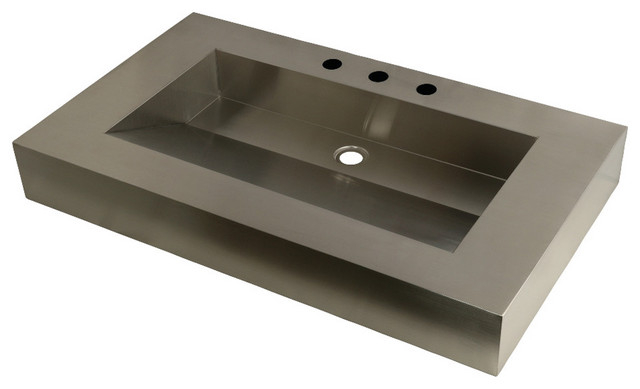
Sink materials vary significantly in durability, appearance, and cost. Stainless steel remains the most popular choice due to its strength and resistance to stains. It's also the most affordable option among quality materials. If you want something that looks like granite or marble, consider composite materials made from quartz or cultured marble. These offer a luxurious appearance but may require more careful maintenance. Copper sinks have a distinctive patina that develops over time, adding character to your kitchen. However, they need regular polishing and can be expensive. Cast iron sinks are heavy but incredibly durable, though they're less common in small spaces due to weight constraints. Each material brings different advantages and considerations. Think about how much maintenance you're willing to put in versus how much you want to enjoy the aesthetic.
Installation Requirements and Challenges
Installing an undermount sink is more complex than a standard model, requiring precise cutting of the countertop. You'll need to ensure your cabinetry can support the sink's weight and accommodate the necessary plumbing connections. The countertop must be thick enough to hold the sink securely, typically at least 1.25 inches for most installations. Professional installation often costs between $150 and $400, depending on complexity and location. Some people attempt DIY installation, but it requires skill and attention to detail. Make sure you have access to proper tools and knowledge before attempting this project yourself. Consider whether your current countertop material can handle the cutting process without damage. Sometimes the best approach is to consult with a professional who understands local building codes and safety requirements.
Functional Features That Improve Daily Life
Beyond basic functionality, modern small undermount sinks come with features designed to enhance usability. Single-basin models are great for small spaces, offering maximum usable area in minimal footprint. Double basins provide versatility for multitasking - one side for washing, another for rinsing. Some feature built-in draining boards or colanders that save counter space. Look for sinks with proper drainage systems to avoid water pooling issues. The depth of the basin matters too - shallow basins are easier to fill but may cause splashing. Deep basins offer better capacity but might be harder to see into. Consider accessories like soap dispensers or trash cans that complement your sink's design. These thoughtful additions can transform a simple sink into a true kitchen workhorse.
Budget Considerations and Value Choices
Budget plays a major role in your decision-making process. Quality small undermount sinks can range from $100 to $800+, depending on material, brand, and features. Stainless steel models typically fall in the mid-range, offering excellent value for money. Higher-end materials like copper or solid surface composites command premium prices. Factor in installation costs, which can add significantly to your total expense. Sometimes it's worth investing more upfront for better quality and longevity. However, you don't always need to go for the most expensive option to get good performance. Look for sales, outlet stores, or discontinued models that offer savings without sacrificing core functionality. Remember that cheaper options might require more frequent replacement or repairs, which could end up costing more in the long run.
Choosing the right small undermount sink is ultimately about matching your practical needs with your aesthetic vision. It's a decision that affects your daily routine and overall kitchen experience. Take time to measure carefully, consider your lifestyle habits, and think about what features matter most to you. Whether you prioritize ease of cleaning, visual appeal, or budget considerations, there's a perfect sink out there waiting for your space. Don't rush this important choice - a well-chosen sink can be one of the most satisfying upgrades in your kitchen. Remember, the goal isn't just to fit something in the cabinet, but to create a space where you actually want to spend time cooking, cleaning, and enjoying meals with loved ones. Sometimes the smallest changes can make the biggest difference in your everyday life.