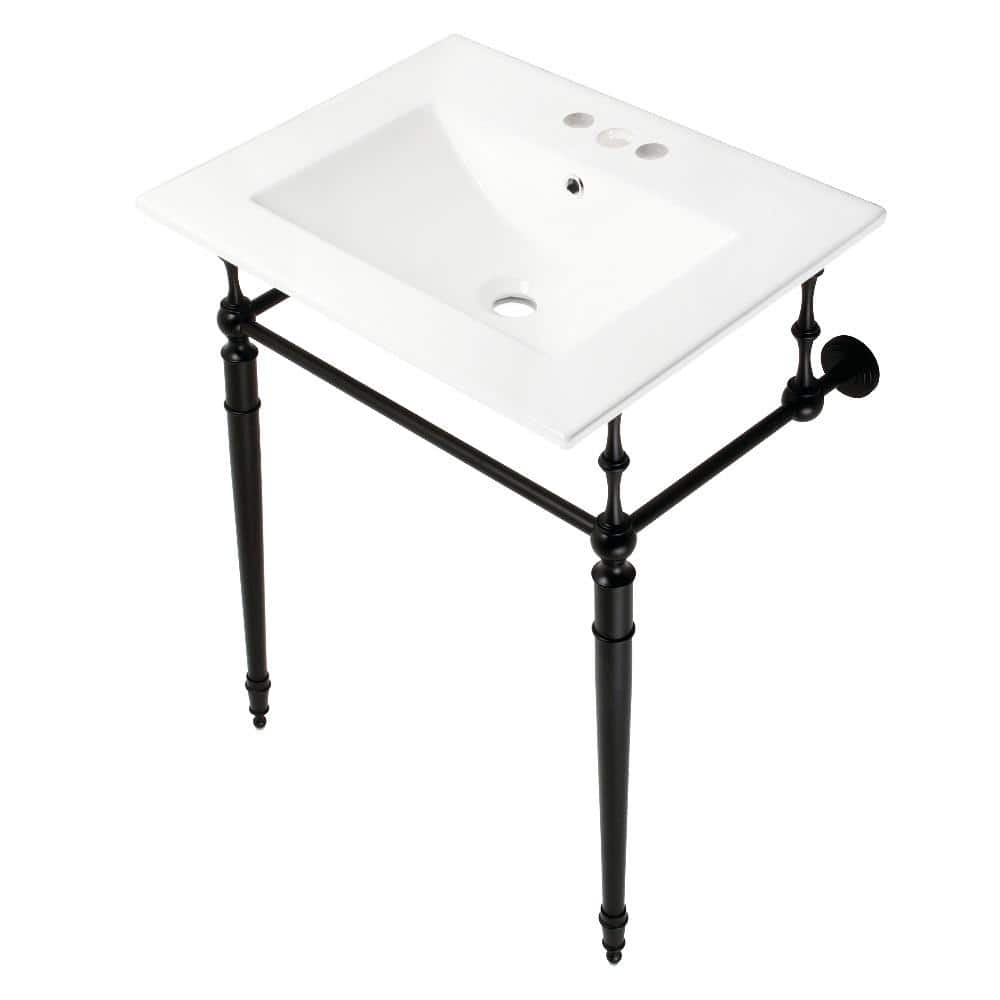
Have you ever wondered how those beautiful ceramic sinks end up in your kitchen? Or why some last decades while others show signs of wear after just a few years? Let's take a deep dive into the fascinating world of ceramic sink construction and what really makes them stand the test of time.
Ceramic sinks have been a staple in kitchens for generations. They offer that classic look that never goes out of style, and they're often praised for their durability. But what exactly goes into making these fixtures last so long? The answer lies in understanding both the construction process and the factors that determine their longevity. Whether you're considering replacing yours or just curious about what makes these sinks tick, this exploration will give you insights you might not expect.
The Foundation of Ceramic Sinks
At their core, ceramic sinks start with clay - yes, the same clay you might remember from elementary school art class. However, this isn't just any ordinary clay. It's specially prepared clay that's been refined, mixed with water, and shaped into the desired form. The clay mixture gets pressed into molds or hand-built, depending on the manufacturer. This initial stage is crucial because the quality of the clay directly impacts the sink's strength and resistance to cracking. Think of it like baking a cake - if you use poor ingredients, even the best recipe won't save you. After shaping, the sinks go through a drying phase, which can take anywhere from a few days to weeks. This process removes excess moisture and helps the clay harden enough to handle the next steps.
The Firing Process: Where Strength Comes From
Once dried, ceramic sinks enter what's called the firing stage. This is where things get really interesting. The sinks are placed in large ovens that reach temperatures of over 1800 degrees Fahrenheit. At these extreme heat levels, the clay molecules begin to bond together, creating a strong, durable structure. The firing process typically takes several hours, and it's during this time that the sink develops its characteristic hardness and resistance to scratches and stains. Some manufacturers do multiple firings to ensure maximum strength. It's kind of like how steel gets stronger when it's heated and cooled properly - the molecular structure changes permanently. This high-temperature treatment also makes the surface non-porous, which means liquids don't seep in and cause staining or bacterial growth. You've probably noticed how easy it is to clean ceramic sinks compared to other materials.
Glazing: The Protective Layer That Matters
After firing, many ceramic sinks receive a glaze coating. This thin layer of glass-like material is applied to the surface and then fired again at a lower temperature. Glazing serves multiple purposes. First, it creates a smooth, easy-to-clean surface that resists stains and water marks. Second, it adds color and design options to otherwise plain ceramic. Third, and perhaps most importantly, it provides protection against chips and minor damage. When you think about it, a glaze is like a car's paint job - it protects the underlying surface and gives it that appealing appearance. The glaze must be carefully matched to the clay body to prevent peeling or flaking over time. Poorly applied glazes can actually lead to premature failure of the sink. Quality manufacturers pay close attention to this step because it's one of the most visible aspects of sink quality.
Construction Variations and Their Impact
Not all ceramic sinks are created equal, and there are several construction methods that affect performance. The most common types include:
• Single-piece construction - These are made from one solid piece of ceramic, offering maximum durability and preventing leaks at joints. • Multi-piece construction - Some sinks combine different ceramic sections, which may create weak points at the seams. • Reinforced edges - Some manufacturers add extra ceramic around the rim to prevent chipping. • Thicker vs. thinner walls - Thicker walls generally provide better structural support and reduce the chance of cracking.
The way a sink is built affects how it handles daily wear and tear. A well-built sink will resist chips from pots and pans, while a poorly constructed one might develop cracks from temperature changes or impact. Consider the difference between a thick, sturdy wooden table versus a thin, flimsy one - the same principle applies to ceramic sinks.
Environmental and Usage Factors
Even the highest-quality ceramic sink can fail prematurely if subjected to harsh conditions. Temperature fluctuations are a major factor. Sudden changes from hot to cold can cause thermal shock, leading to cracks. That's why it's important to let very hot dishes cool before placing them in the sink. Also, using abrasive cleaners or sharp objects can scratch the surface, especially if the glaze is damaged. Over time, constant exposure to acidic substances like lemon juice or vinegar can gradually erode the glaze. The weight of heavy items dropped into the sink also plays a role - imagine dropping a cast iron skillet on a ceramic surface. While ceramic is tough, it can still chip or crack under enough impact. Proper installation also matters. If the sink isn't properly secured to the countertop, it can shift and crack over time due to movement.
Signs of Wear and How to Extend Lifespan
Knowing when to be concerned about your ceramic sink helps extend its life. Look for these warning signs:
• Cracks appearing along the rim or base • Chips or nicks in the glaze • Water pooling in unusual spots • Discoloration that doesn't come off with normal cleaning • Loose or wobbly installation
To keep your sink in top shape, avoid extreme temperature changes, use gentle cleaning products, and never drop heavy objects into it. Regular maintenance like wiping down after use and avoiding harsh scrubbing can make a big difference. Some people find that applying a light coat of mineral oil occasionally helps maintain the surface. Remember, ceramic sinks are built to last, but they're not indestructible. Taking care of them properly means they'll continue to serve you for many years.
Ceramic sinks represent a perfect blend of traditional craftsmanship and modern engineering. Understanding how they're made and what affects their longevity helps us appreciate their value and take better care of them. Whether you're buying a new sink or maintaining an old one, knowing the basics of ceramic construction empowers you to make informed decisions. These sinks have stood the test of time for good reason - they're built with materials and processes that prioritize durability. With proper care, a quality ceramic sink can be a centerpiece of your kitchen for decades. So the next time you fill your sink with water, take a moment to appreciate the journey from clay to countertop that made it possible.