You know that feeling when you walk into a tiny bathroom and instantly feel cramped? That's often because of poor sink placement. But what if we told you that moving just one fixture could completely change your entire space? It's true. Strategic sink positioning isn't just about aesthetics – it's about creating flow, maximizing utility, and making every inch count.
Let's face it, small bathrooms are a reality for many of us. Whether you're living in a studio apartment, a historic home with compact rooms, or simply have limited square footage, the challenge remains the same: make everything work in a small space. Often overlooked in this struggle is the humble bathroom sink. Yes, that little fixture that seems so basic might actually hold the key to unlocking your bathroom's full potential. The right sink placement doesn't just save space – it creates visual harmony, improves workflow, and makes even the tiniest bathrooms feel less confining.
The Psychology of Space Perception
Before diving into the technical aspects, let's talk about how our brains perceive space. When we enter a room, our minds immediately start categorizing and organizing visual information. A poorly placed sink can throw off this mental map, making a space feel chaotic or unbalanced. Conversely, a well-positioned sink can create the illusion of more space. Think about it – when you see a sink positioned in a way that allows easy access from multiple directions, it feels more open and inviting. This is particularly important in small bathrooms where every element needs to contribute positively to the overall perception of space. The right sink placement can make a 4x6 foot bathroom feel like a 6x8 foot space.
Understanding Bathroom Layouts
Different bathroom layouts respond differently to sink placement strategies. In L-shaped bathrooms, the sink might sit against one wall while the toilet and shower/bath are positioned across from each other. Corner bathrooms benefit from sinks placed in positions that maximize corner usage rather than leaving it empty. U-shaped layouts offer flexibility for creative sink positioning that can become the focal point of the room. For those with oddly shaped spaces, consider how the sink can act as a visual anchor. What matters most is understanding your specific space's constraints and opportunities. Sometimes, the best solution involves thinking outside the box – literally. A sink placed slightly off-center can create better traffic flow and make the space feel less rigid.
Key Principles for Small Spaces
When working with limited square footage, several core principles guide effective sink placement:
• Traffic Flow: Consider how people move through the space. A sink positioned too close to a door might create bottlenecks. • Visual Balance: Place the sink so it doesn't create an unbalanced look. If there's a large mirror above, the sink should complement rather than compete. • Accessibility: Ensure the sink is reachable from all sides if possible, especially for elderly users or those with mobility challenges. • Natural Light: Position the sink where it catches good light from windows or skylights. • Storage Integration: Plan for cabinets or shelves around the sink area to keep things organized.
These aren't hard rules, but they provide a foundation for thoughtful decisions.
Vertical vs Horizontal Planning
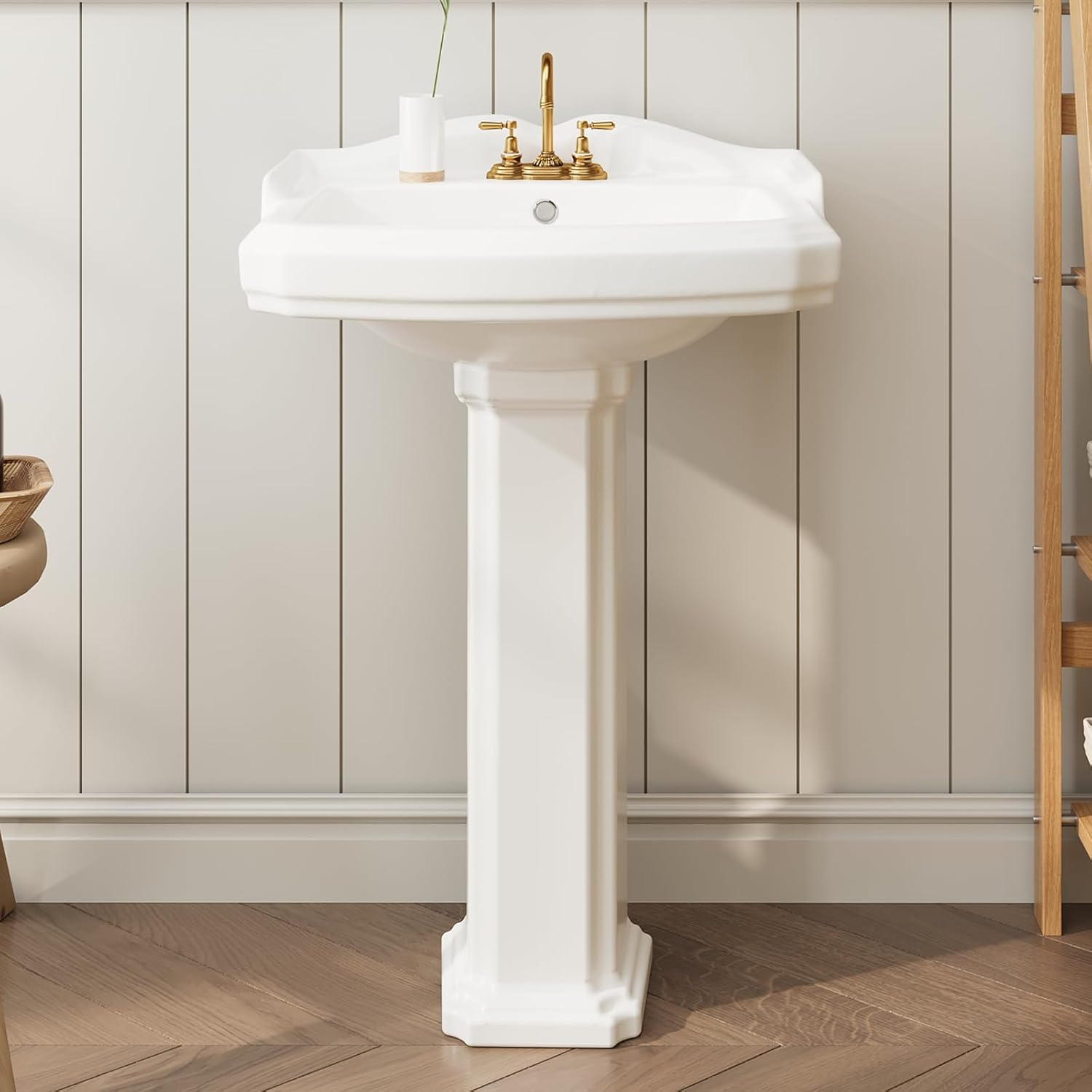
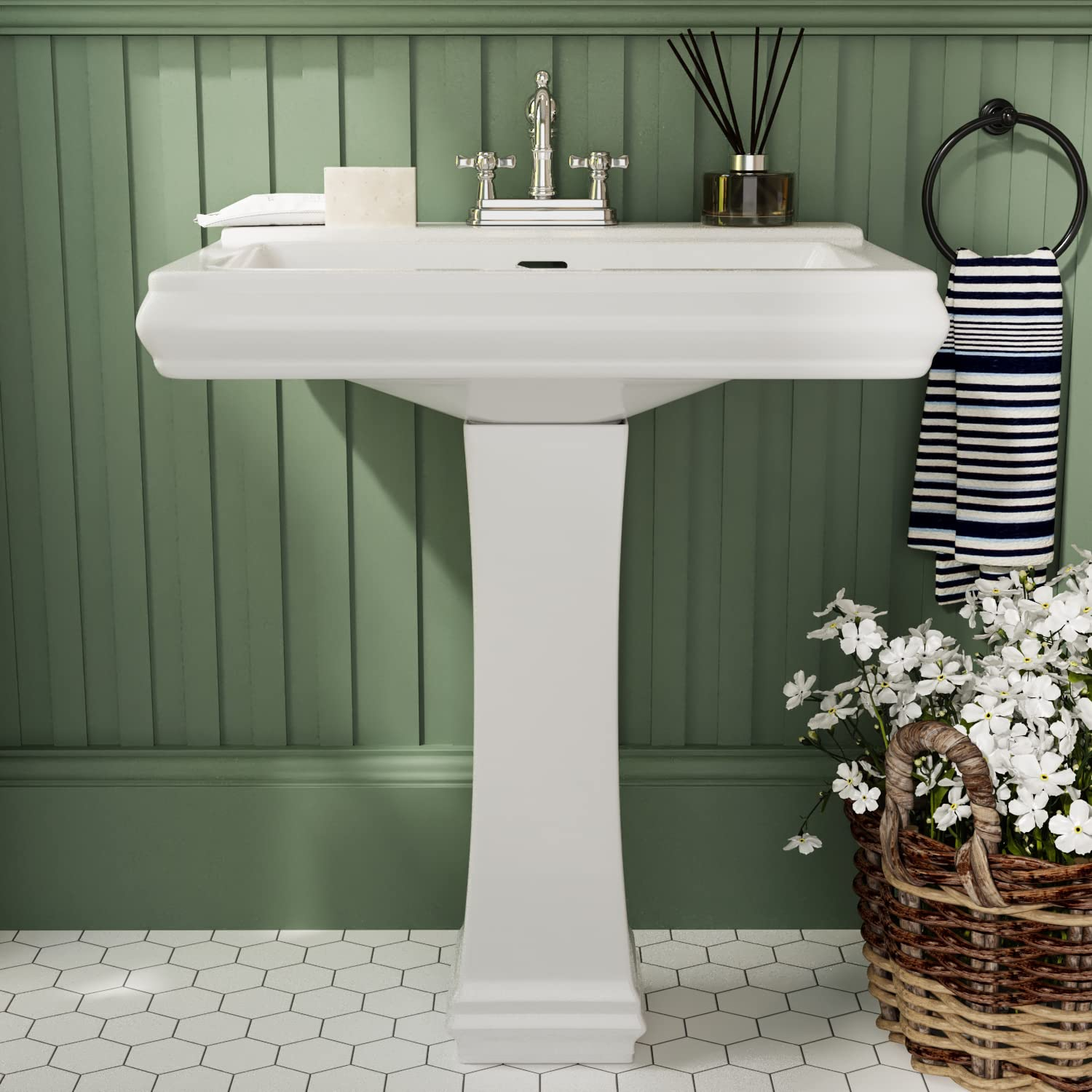
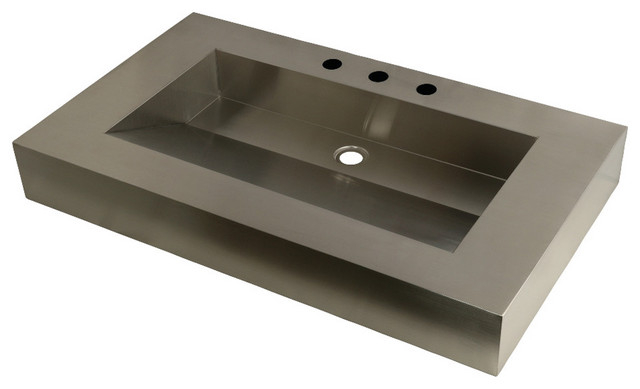
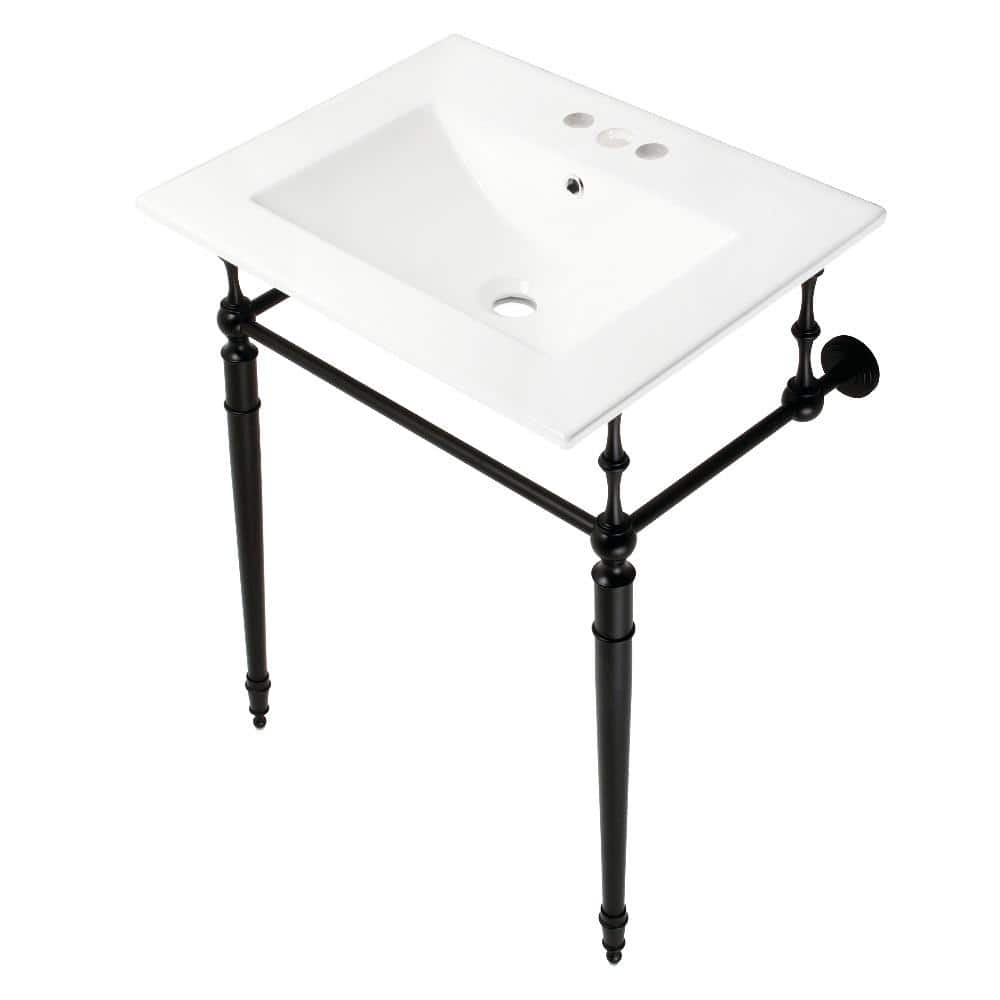
In small bathrooms, you need to think vertically AND horizontally. Vertical planning means using height – wall-mounted sinks, tall vanities, or stacked storage solutions. Horizontal planning focuses on spreading elements across the floor space efficiently. The ideal approach combines both. For instance, a wall-mounted sink frees up floor space for a larger bathtub or shower area. However, this requires careful consideration of plumbing access and electrical needs. Horizontal planning becomes critical when you have limited wall space. In such cases, consider a corner sink that maximizes the unused triangle space. You might also want to explore how a freestanding sink can add flexibility to your layout, allowing you to reposition it based on changing needs.
Creative Solutions for Tight Corners
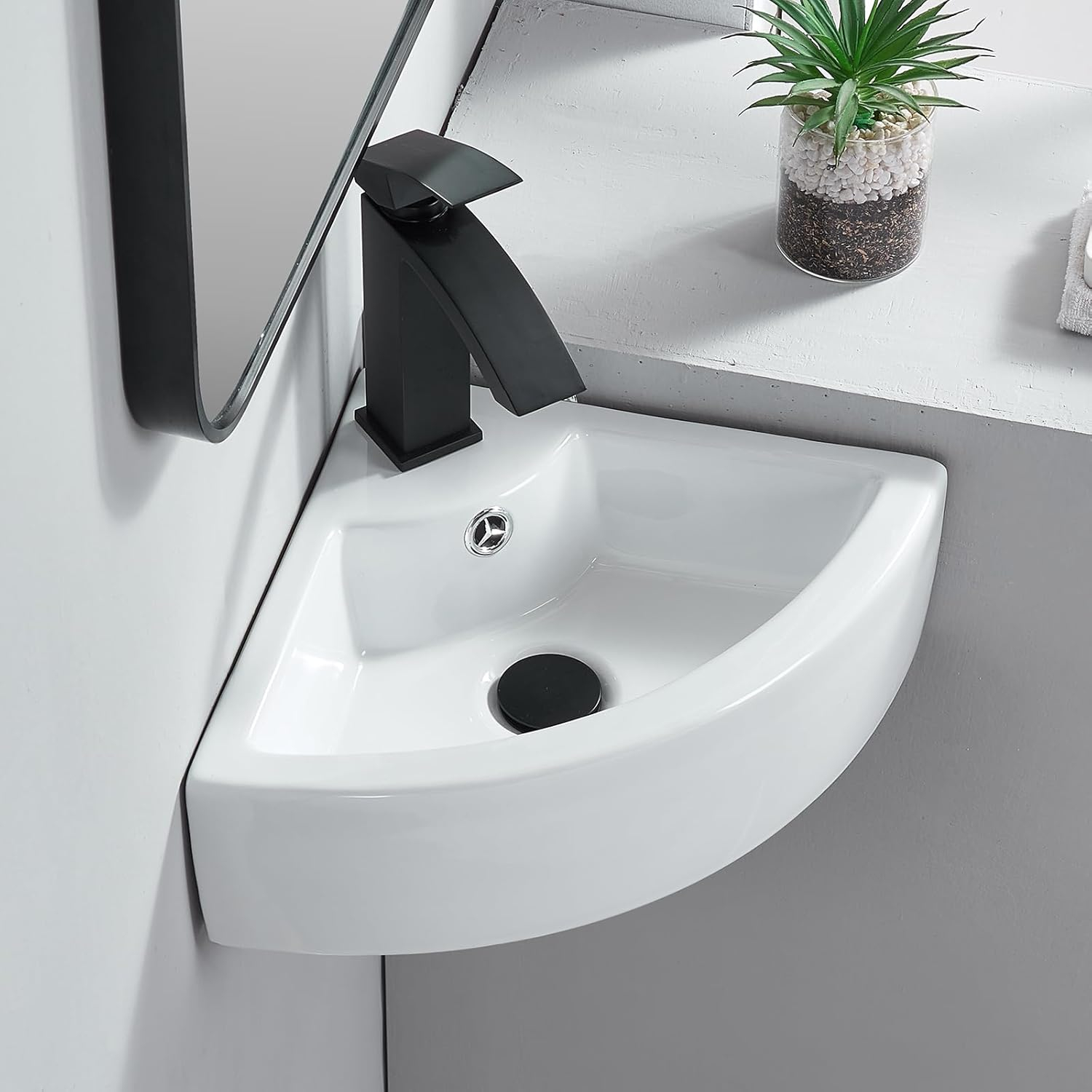
Corner spaces present unique challenges and opportunities. A corner sink can seem like a waste of space, but it can actually be a genius solution when properly implemented. The key is to choose a sink that fits the angle perfectly. Corner sinks come in various shapes – some are designed specifically for tight angles, others can be custom-made. You might also consider a curved or oval sink that follows the natural curve of the corner. Another clever approach is using a corner vanity with a built-in sink that extends into the corner. This eliminates wasted space and creates a cohesive design element. The trick is to ensure that the sink's shape complements the room's overall aesthetic and functionality requirements.
Practical Implementation Tips
Now that we've covered theory, let's get practical. Here are some actionable steps:
• Measure twice, install once – always verify exact dimensions before purchasing anything. • Consider the standard 21-inch clearance behind a sink for comfortable access. • Plan for proper ventilation, especially if you're adding storage above the sink. • Choose fixtures that match your bathroom's style – modern, traditional, rustic? • Don't forget about accessibility features if needed. • Take photos from different angles to visualize how everything will work together.
Remember, small bathrooms are about making smart compromises. Every decision affects the whole space. The sink position is just one part of a larger puzzle.
Strategic sink placement isn't just about fitting another fixture into your bathroom. It's about transforming how you experience and interact with your space. When done right, it can make the difference between a cramped, frustrating room and a functional, welcoming environment. You don't need to overhaul your entire bathroom to see results – sometimes, a simple change in sink positioning can breathe new life into even the smallest spaces. The next time you find yourself stuck in a tight bathroom situation, remember that the answer might be closer to you than you think. Sometimes, the most significant improvements happen in the smallest places.