Think about your bathroom fixtures - those white, smooth surfaces that have been part of your daily routine for years. What makes some last decades while others show signs of wear after just a few years? It's not just about price or style. There's something deeper happening beneath the surface. Let's take a closer look at what really makes vitreous china fixtures stand the test of time.
When you think about bathroom fixtures, you probably picture the familiar white bowls of toilets, the smooth surfaces of sinks, and the elegant curves of bathtubs. But there's more to these everyday items than meets the eye. Vitreous china, that glossy, ceramic material that dominates our bathrooms, has a fascinating story about strength and endurance. This isn't just about looking pretty - it's about understanding why some fixtures can handle the daily rigors of family life while others don't make it through the first year. The secret lies in knowing what factors actually influence how long these fixtures will serve you.
What Makes Vitreous China So Special
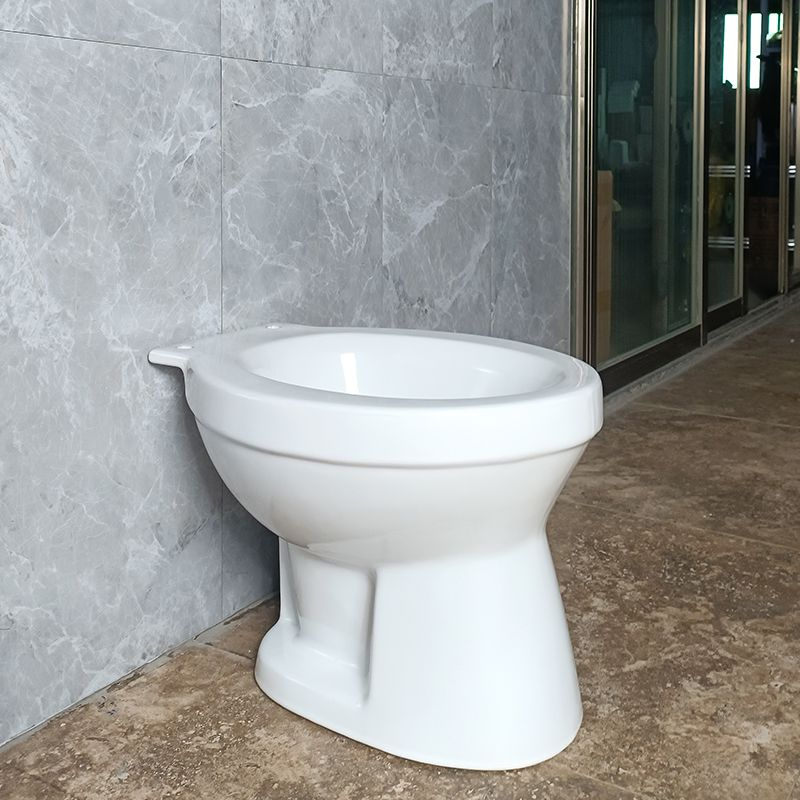
Vitreous china might sound like a fancy term, but it's really just a type of ceramic that's been specially treated to become incredibly durable. Think of it like a superhero - it starts as regular clay but gets transformed through high heat and special processes. The key ingredient is a mixture of clay, feldspar, and quartz that gets fired at temperatures exceeding 1,800 degrees Fahrenheit. This process creates a glass-like surface that's both hard and smooth. The result? A material that resists scratches, stains, and even some acids. You might wonder why manufacturers choose this over other materials. Well, it's because vitreous china combines beauty with practicality in a way that other options struggle to match. Its non-porous surface means bacteria have a hard time taking hold, and cleaning becomes much easier. Plus, it doesn't fade or discolor like some plastics might.
The Role of Manufacturing Quality
Not all vitreous china fixtures are created equal. The manufacturing process plays a huge role in determining how long your fixtures will last. High-quality manufacturers use precise temperature controls and consistent firing times. They also pay attention to the thickness of the material - thicker pieces tend to be more durable. Some companies invest in computer-controlled kilns that ensure each piece gets exactly the right amount of heat. Others focus on the finishing process, making sure there are no air bubbles or imperfections in the surface. When you're shopping, look for brands that emphasize their manufacturing standards. A fixture that costs a bit more upfront might save you money in the long run if it doesn't need replacing. You might notice that lower-cost options sometimes feel lighter or seem less solid when you touch them. That's often a sign they're using thinner material or cheaper ingredients. Quality control during production is crucial, and you can usually tell the difference by examining the edges and surface texture carefully.
Material Thickness and Structural Integrity
Here's something many people overlook: the thickness of your fixture matters more than you might think. A toilet bowl that's just a few millimeters thin simply won't withstand the daily stresses of heavy use. The standard thickness for most high-quality fixtures ranges from 10 to 15 millimeters. Thicker walls provide better resistance to impact and thermal stress. Picture this - you're dropping a heavy object on your sink versus a thin plastic one. The thick vitreous china will likely survive with just a tiny scratch while the thin version might crack completely. This is especially important in areas where children play or where heavy objects might accidentally fall. The structural integrity also affects how well the fixture handles temperature changes. When water runs hot and cold repeatedly, the material expands and contracts. Thick pieces handle this movement better than their thinner cousins. Many homeowners don't realize that the weight of a full bathtub filled with water puts tremendous pressure on the tub's structure. The thicker the vitreous china, the better it can handle that load without developing cracks or weak spots over time.
Environmental Factors That Impact Longevity
Your bathroom environment plays a huge role in how long your fixtures last. Humidity levels can make or break a fixture. In high-humidity environments, moisture can seep into small cracks and cause problems over time. Proper ventilation helps prevent this issue. Temperature extremes also matter - imagine leaving your bathroom in the summer heat while the fixture cools down overnight. That constant expansion and contraction can eventually weaken the material. Chemical exposure is another factor. Harsh cleaning products, bleach, and acidic substances can gradually erode the surface. Even common household cleaners might not be safe for all vitreous china fixtures. Some older fixtures might have had different manufacturing processes that make them more vulnerable to certain chemicals. Water quality also matters. Hard water contains minerals that can leave deposits and affect the surface. Regular maintenance helps combat these issues, but it's always good to know what environmental challenges your fixtures might face.
Maintenance and Care Practices
Even the best vitreous china fixtures will deteriorate faster if you don't take care of them properly. Regular cleaning with gentle, pH-neutral cleaners works wonders. Avoid abrasive scrubbers that might scratch the surface. Many people don't realize that using the wrong cleaning tools can actually damage their fixtures over time. Soft cloths and sponges are usually your best bet. For stubborn stains, consider using specialized porcelain cleaners rather than harsh alternatives. Don't forget about regular inspections - check for hairline cracks or chips that might not be immediately obvious. These small problems can grow into bigger ones if left unaddressed. Consider the impact of daily habits too. Using a toilet brush regularly helps keep the bowl clean, but avoid aggressive scrubbing that might damage the glaze. Some people use commercial cleaners that are supposed to remove mineral buildup, but make sure they're compatible with vitreous china. Remember that preventive care pays off - it's much easier to maintain than to replace.
Warranty and Long-Term Value
When you're buying vitreous china fixtures, warranty terms can tell you a lot about the manufacturer's confidence in their product. Most reputable brands offer warranties ranging from 10 to 25 years, though some extend even further. These warranties often cover defects in materials and workmanship. A good warranty indicates that the company stands behind their craftsmanship. However, read the fine print carefully - some warranties exclude normal wear and tear or improper installation. Look for companies that offer lifetime guarantees on their core products. These aren't just marketing tactics; they reflect genuine confidence in their manufacturing process. Think about the total cost of ownership over ten years. A higher-priced fixture that lasts twice as long might actually save you money. Consider what happens if you have to replace fixtures every five years versus every fifteen. The cumulative cost difference can be substantial. Some manufacturers also offer extended warranty options that might be worth considering for high-end installations.
Understanding the durability factors of vitreous china fixtures gives you the power to make smarter choices for your home. It's not just about picking something that looks good - it's about selecting items that will serve you well for years to come. From the manufacturing quality to the thickness of the material, every aspect matters. Environmental conditions and proper maintenance also play crucial roles in how long your fixtures will last. When you invest in quality vitreous china fixtures, you're investing in reliability and longevity. Take time to research brands, read warranty details, and consider your specific needs. The bathroom is one place where you want things to last - after all, nobody wants to be replacing their fixtures every few years. With this knowledge, you can make decisions that will bring peace of mind and savings for years ahead. Remember, the most expensive option isn't always the best choice, but the cheapest option isn't necessarily the most economical either. Finding that sweet spot between quality and value is what makes the difference in your long-term satisfaction.