Modern bathrooms demand both practicality and aesthetic appeal. When it comes to ceramic wall sinks, they offer a timeless solution that bridges traditional craftsmanship with contemporary design. These fixtures have evolved far beyond simple utility pieces, becoming statement elements that define the character of any bathroom space. Whether you're renovating an existing room or designing a new one, choosing the right ceramic wall sink requires careful consideration of multiple factors.
In today's fast-paced world, our bathrooms serve as personal sanctuaries where we start and end each day. The choice of fixtures can dramatically influence how we feel about this space. Ceramic wall sinks represent a particularly appealing option because they combine durability with visual elegance. They're not just functional elements anymore - they're design statements that can transform a basic bathroom into a sophisticated retreat. However, with so many options available, selecting the perfect ceramic wall sink requires understanding what matters most in terms of style, function, and practicality.
Understanding Ceramic Wall Sink Types
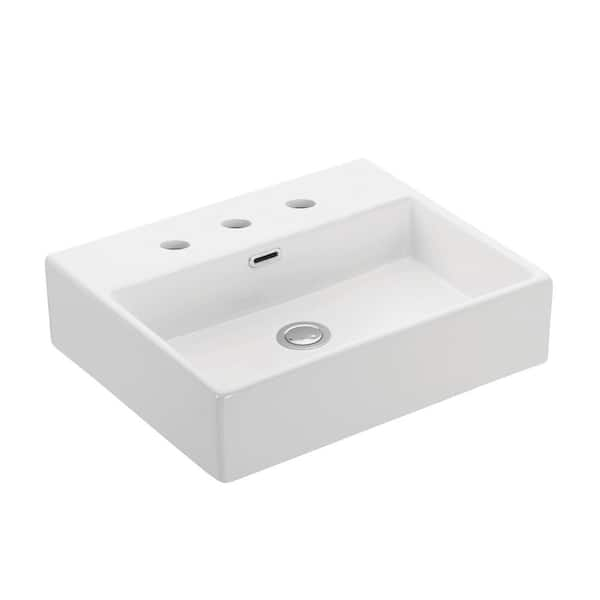
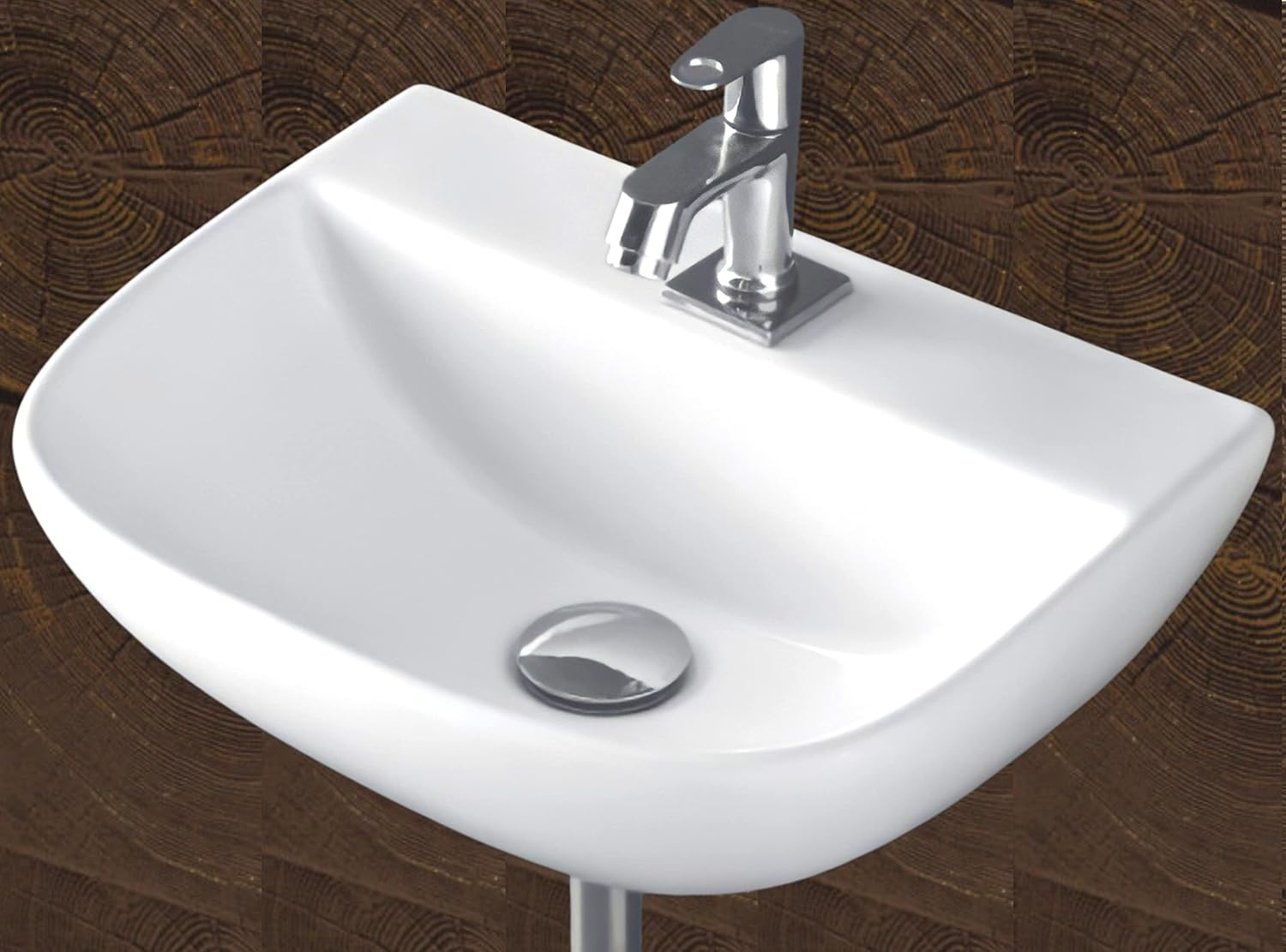
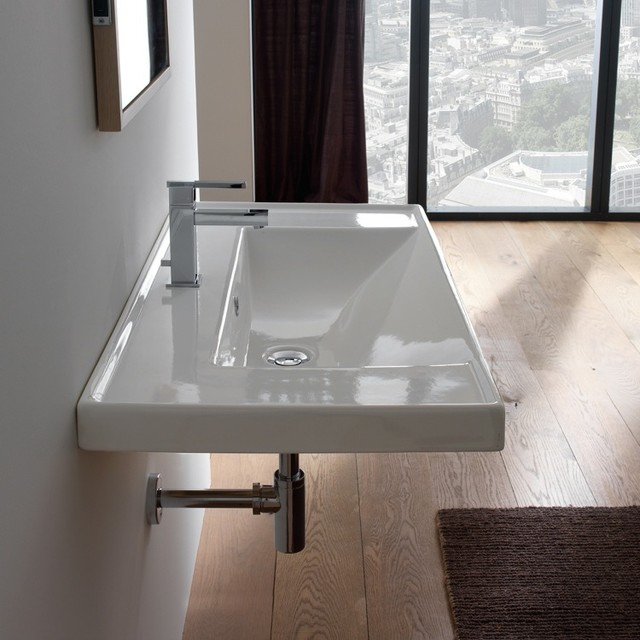
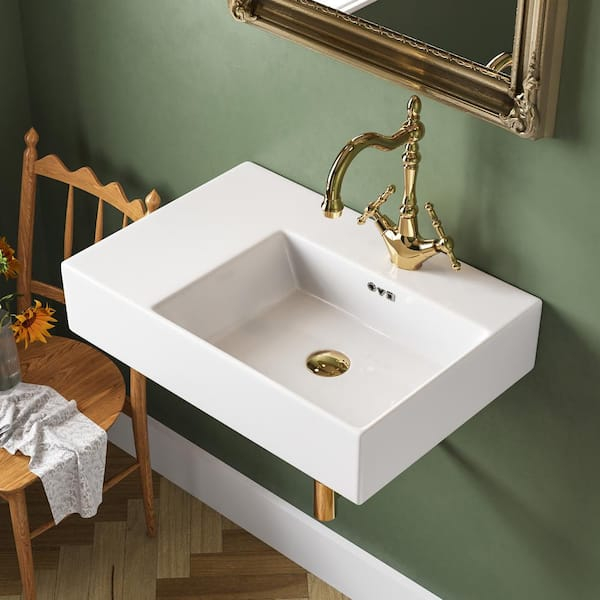
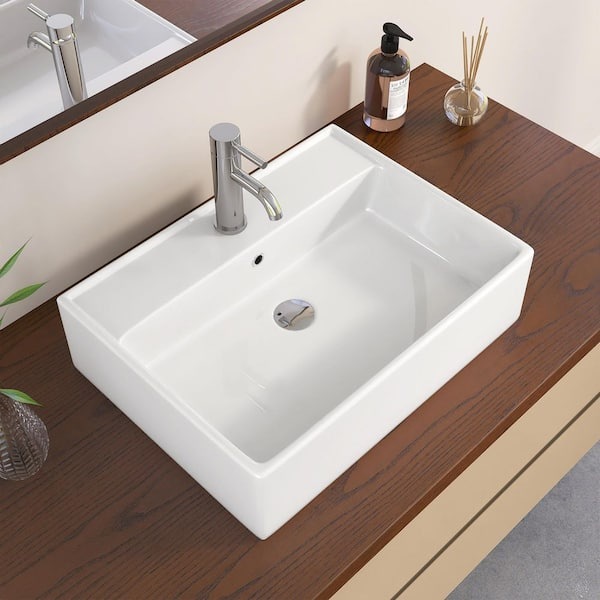
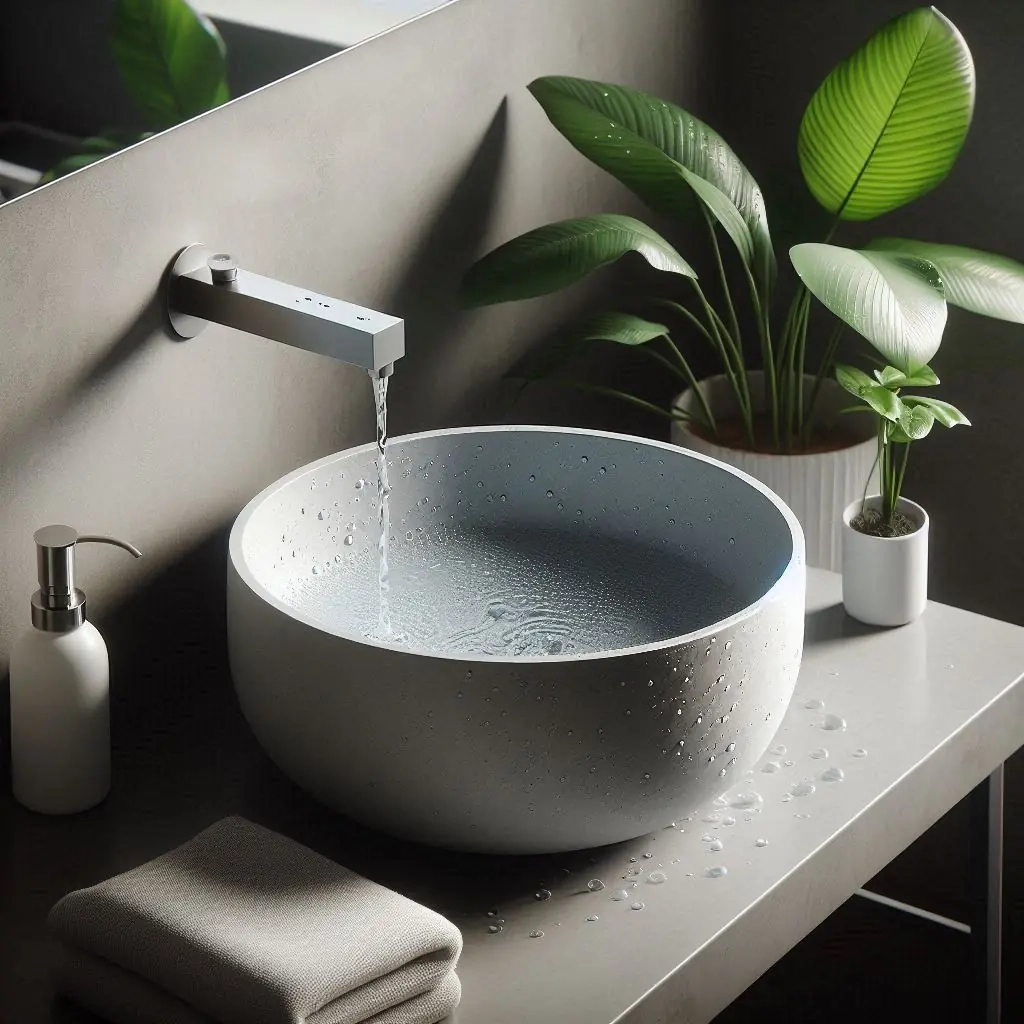
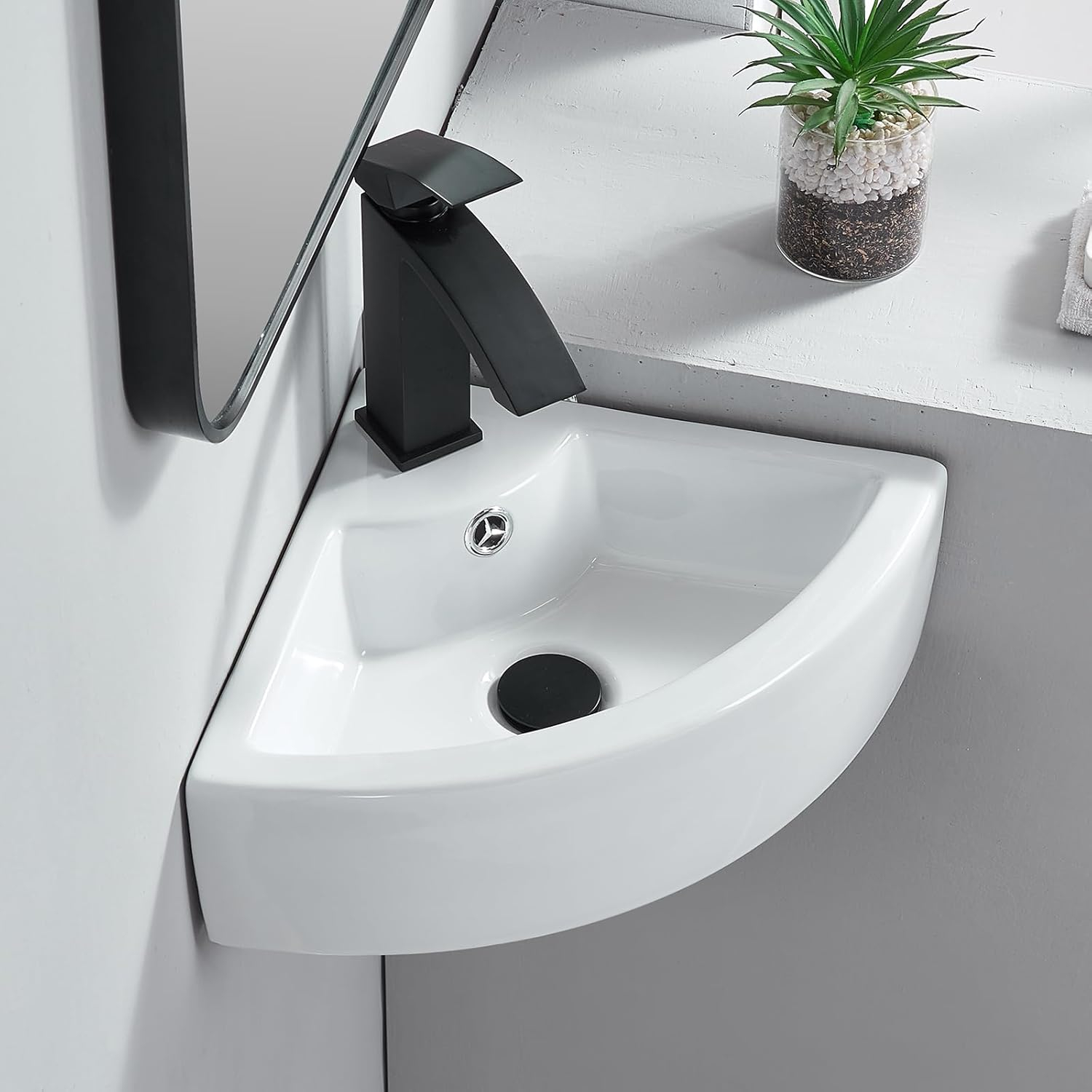
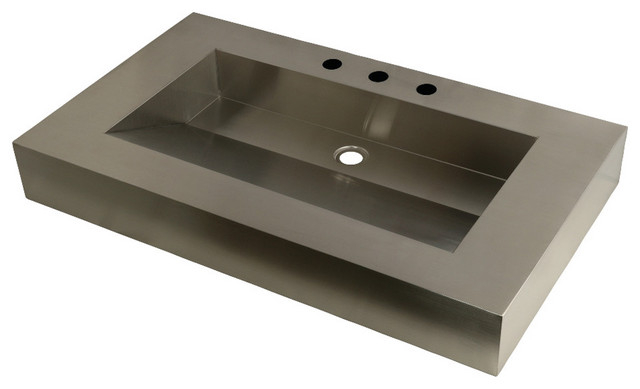
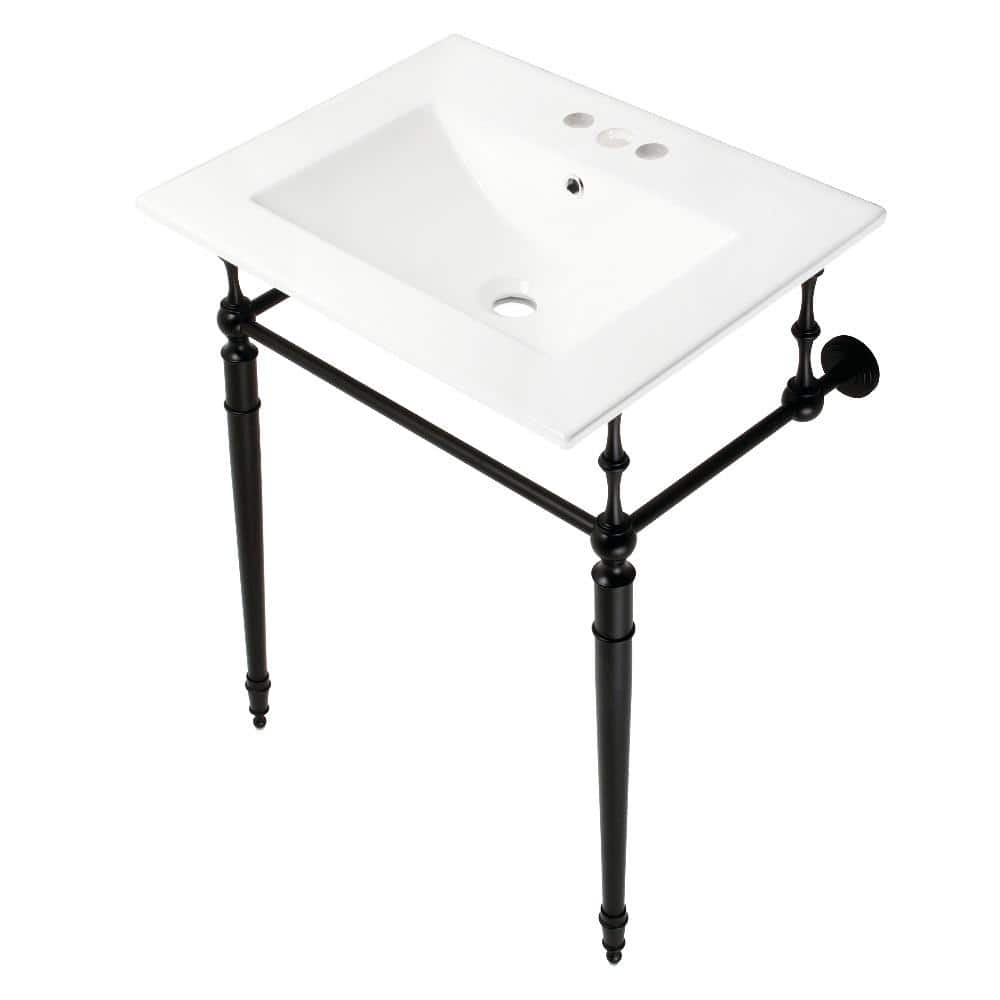
Ceramic wall sinks come in several distinct styles, each offering unique advantages. The most common types include vessel sinks, drop-in sinks, and wall-mounted bowl sinks. Vessel sinks sit atop the wall surface, creating a dramatic focal point that draws attention upward. Drop-in sinks feature a basin that sits flush with the wall, providing a seamless look that blends well with minimalist designs. Wall-mounted bowl sinks extend directly from the wall, creating a clean, uncluttered appearance that maximizes floor space. Each type offers different installation requirements and aesthetic outcomes. Consider your bathroom's layout, existing fixtures, and overall design scheme when choosing between these varieties.
Measuring Your Space Accurately
Proper measurement is crucial before purchasing any wall sink. Start by determining the available wall space and ensuring there's adequate clearance around the sink area. Standard wall sink widths typically range from 12 to 24 inches, while depths usually fall between 6 and 10 inches. Measure the distance between studs to ensure proper mounting support. Don't forget to account for plumbing connections and any additional features like soap dispensers or towel bars. Many homeowners underestimate the importance of precise measurements, leading to costly installation issues later. Take your time with this step - it's often the difference between a successful installation and a frustrating experience.
Material Quality and Durability Factors
The quality of ceramic material significantly impacts both the sink's longevity and its appearance over time. High-quality ceramics feature dense, well-fired clay that resists chipping and cracking. Look for sinks with a smooth glaze finish that's easy to clean and maintain. Some manufacturers offer enhanced durability features like reinforced edges or special coatings that resist stains and water spots. Consider the thickness of the ceramic - thicker materials generally provide better sound dampening and structural integrity. While premium ceramics may cost more initially, they often prove more economical over time due to reduced maintenance needs and longer lifespan.
Style and Design Compatibility
A ceramic wall sink should complement rather than clash with your bathroom's overall aesthetic. Modern bathrooms often favor clean lines and neutral colors, while traditional spaces might benefit from more ornate designs. Consider the sink's shape - round, rectangular, or oval options each create different visual impacts. The color palette should harmonize with surrounding fixtures and walls. Some sinks feature subtle patterns or textures that add interest without overwhelming the space. Think about how the sink will look with your lighting - certain finishes catch and reflect light differently, affecting the entire ambiance of the room.
Installation Considerations and Plumbing Requirements
Installation complexity varies significantly based on sink type and existing plumbing setup. Some ceramic wall sinks require professional installation, especially if modifications to existing pipes or electrical systems are needed. Check if your current plumbing can accommodate the chosen sink's connection points. Wall-mounted installations often require additional support structures and proper waterproofing. Consider whether you'll need to modify your bathroom's layout or if the sink will fit within existing constraints. Many homeowners find that planning ahead for installation requirements saves both time and money during the renovation process.
Maintenance and Cleaning Tips
While ceramic wall sinks are relatively low-maintenance, proper care extends their lifespan and maintains their appearance. Regular cleaning with mild soap and water prevents buildup of soap scum and hard water stains. Avoid harsh chemicals that could damage the glaze finish. For stubborn stains, gentle abrasives or specialized ceramic cleaners work best. Consider the sink's design when cleaning - some configurations make access to all areas challenging. Regular inspection for cracks or chips helps prevent minor issues from becoming major problems. A well-maintained ceramic sink can serve for decades with minimal upkeep.
Choosing the right ceramic wall sink for your modern bathroom involves balancing numerous considerations from functionality to aesthetics. The investment you make in selecting quality materials and appropriate design will pay dividends in both daily usability and long-term satisfaction. Remember that the ideal sink should enhance rather than complicate your bathroom experience. Take time to evaluate your specific needs, measure carefully, and consider how each element contributes to your overall vision. With thoughtful selection, a ceramic wall sink can become one of your bathroom's most valued features, combining practical benefits with enduring beauty that stands the test of time.