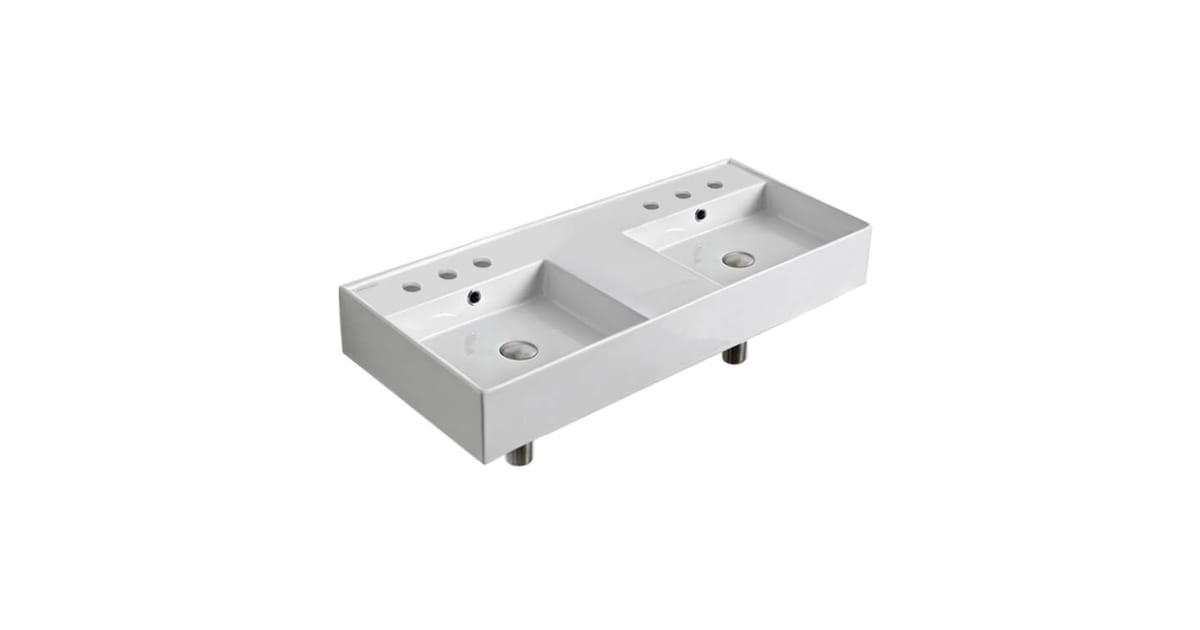
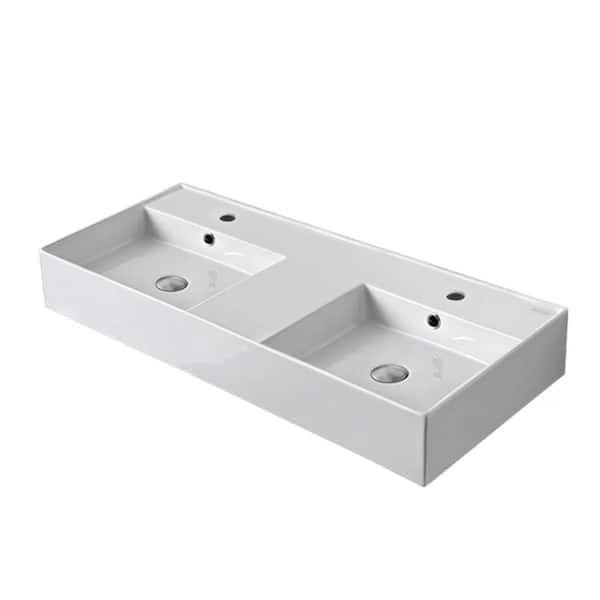
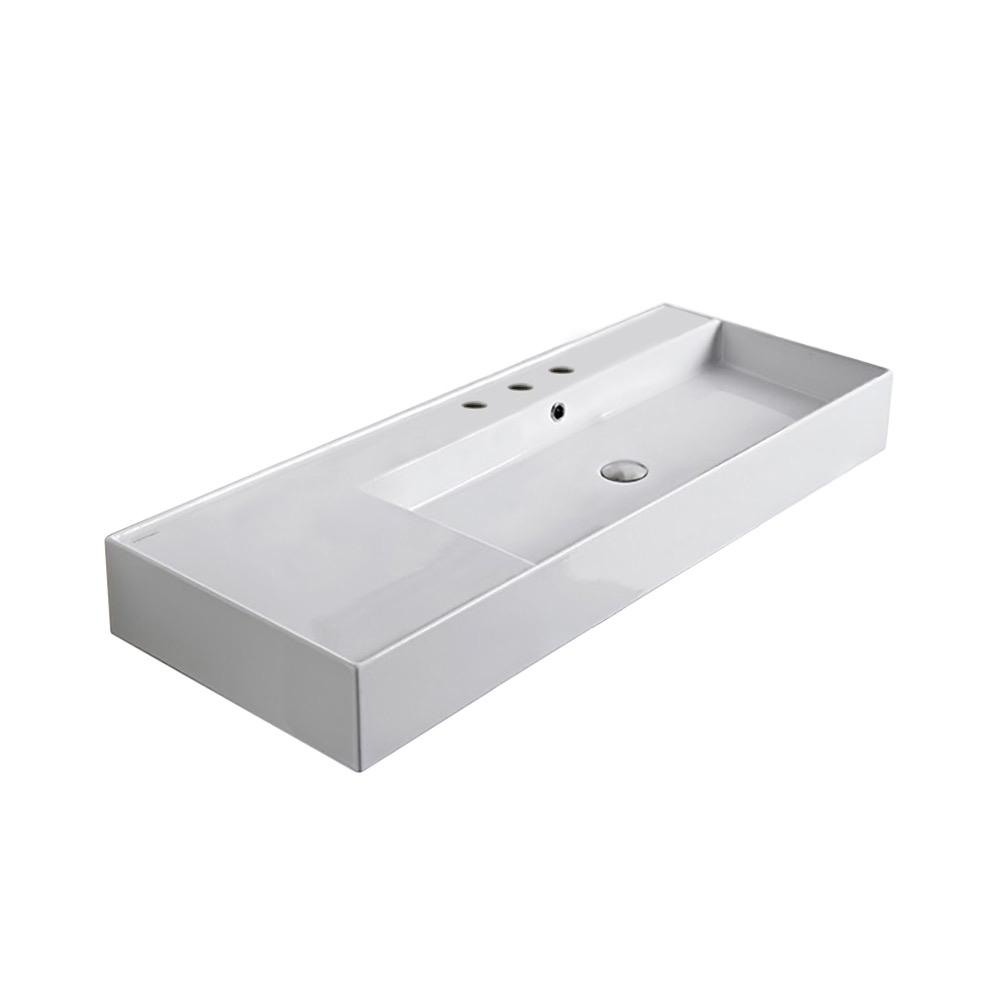
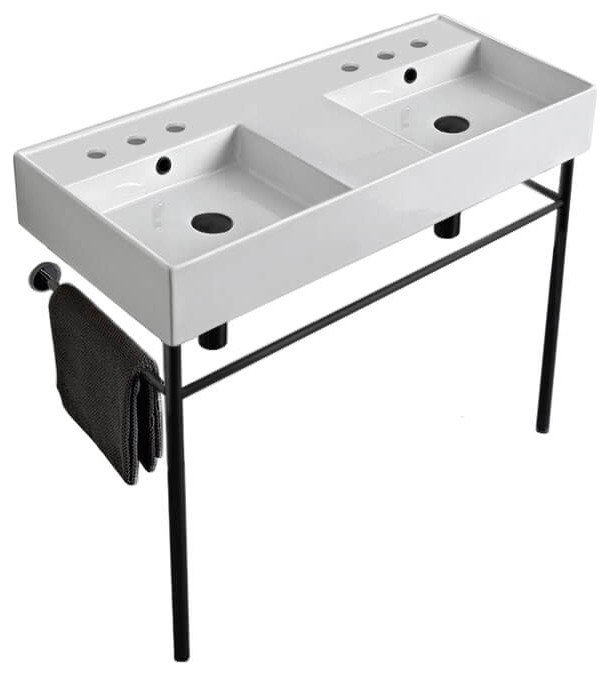
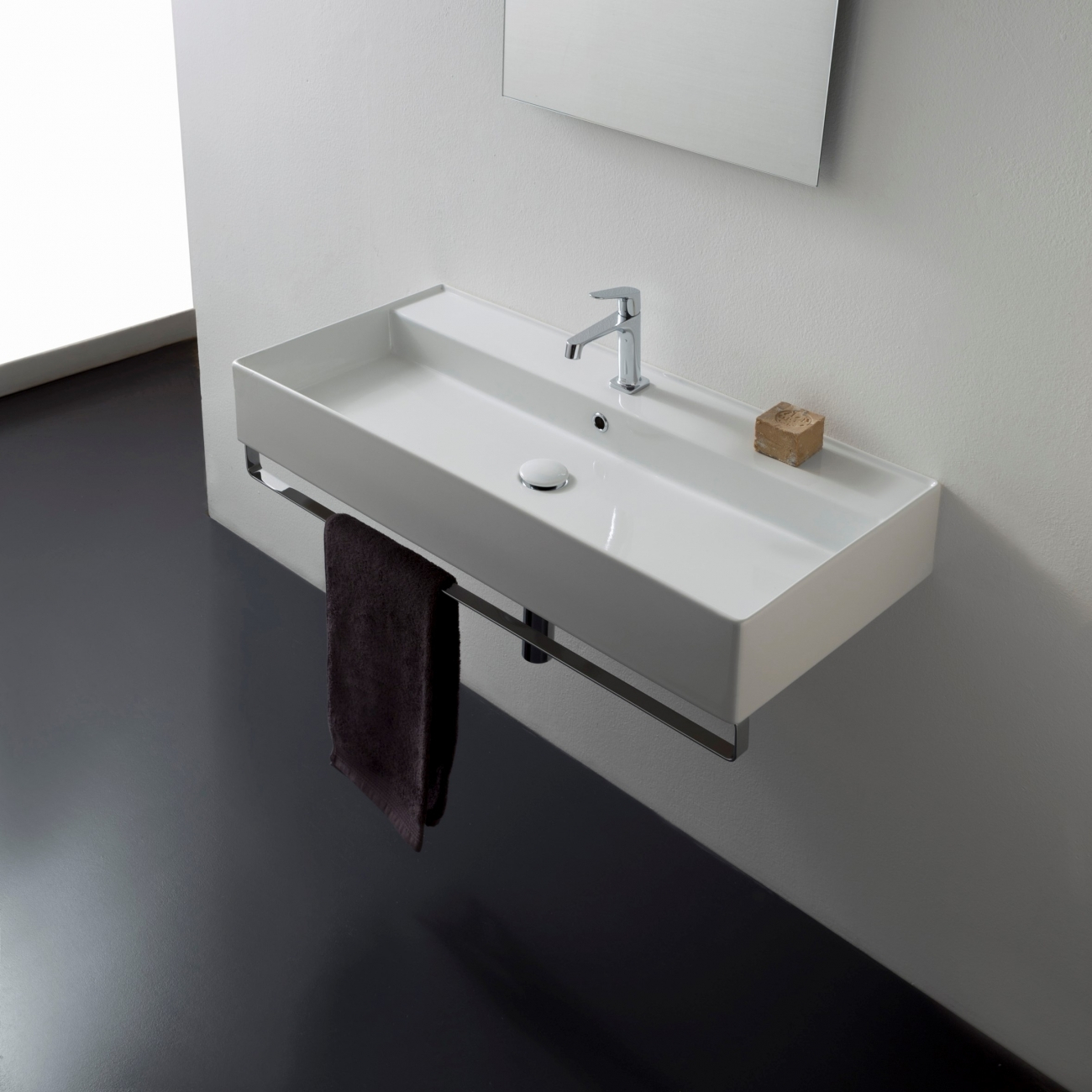
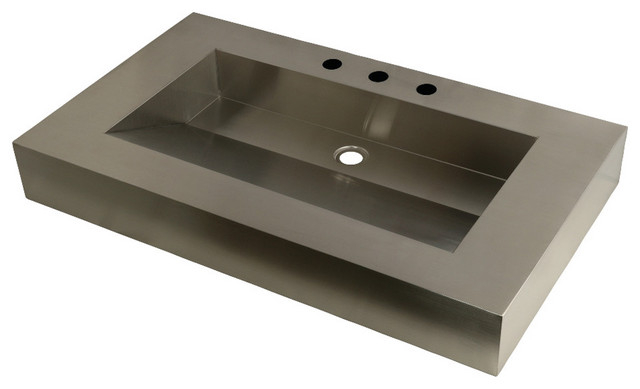
When you think about cutting-edge engineering, the Nameeks Scarabeo 5142 Six Hole Teorema 2.0 might not immediately come to mind. But this remarkable system has quietly revolutionized how we approach complex problem-solving. What makes this particular design so special? It's not just about the technical specifications or the impressive features. It's about a fundamental shift in thinking that has influenced countless engineers and designers around the globe.
In the world of advanced engineering and design, few systems have captured attention quite like the Nameeks Scarabeo 5142 Six Hole Teorema 2.0. This isn't just another piece of technology—it represents a complete philosophy shift in how we approach complex challenges. The system emerged from a unique blend of traditional engineering principles and forward-thinking innovation. But what exactly makes this design philosophy so compelling? Let's take a closer look at the core concepts that drive this revolutionary approach.
The Foundation of Scarabeo 5142
At its heart, the Scarabeo 5142 design philosophy rests on several fundamental principles. The first is simplicity within complexity. Rather than creating overly complicated systems, this approach focuses on finding elegant solutions to intricate problems. Think about it—when you're faced with a challenge that seems impossible, do you add more components or find a smarter way to use what you already have? The Scarabeo 5142 answers with the latter.
The six-hole configuration isn't arbitrary. It represents a carefully calculated balance between functionality and efficiency. Engineers who worked on this project found that six connection points provided optimal stability while minimizing material usage. This principle of minimalism combined with maximum effectiveness has become a hallmark of the design.
Consider how many times you've seen projects fail because they were over-engineered. The Scarabeo 5142 philosophy addresses this directly by emphasizing quality over quantity. Every element serves a purpose, and every decision is made with careful consideration of the end result.
Teorema 2.0: The Mathematical Mindset
The name "Teorema 2.0" might sound intimidating, but it's actually about applying mathematical rigor to design decisions. This isn't just about numbers and formulas—it's about understanding relationships and patterns that govern successful outcomes. The Teorema 2.0 approach treats design problems like mathematical proofs, where each step must logically follow from the previous one.
What sets this apart is the emphasis on iterative improvement. Instead of creating something once and hoping it works, the philosophy encourages constant refinement. Engineers using this method start with a basic model, test it thoroughly, then make small adjustments based on real-world performance. This process continues until they reach what they call the 'optimal convergence point.'
The beauty of this mathematical mindset is that it removes guesswork from the equation. When you can quantify success and failure, you can make better decisions faster. This approach has helped teams avoid costly mistakes that might otherwise occur when relying purely on intuition or experience alone.
The Six Hole Concept Explained
The six-hole configuration deserves deeper exploration. Why six specifically? It turns out this number strikes a perfect balance between structural integrity and flexibility. In engineering terms, six points provide enough support to handle significant stress while remaining adaptable enough to accommodate various configurations.
Think about how often you've tried to build something with fewer connection points and found yourself struggling with instability. Or how about trying to use too many connection points and ending up with a rigid structure that can't adapt? The six-hole solution elegantly solves both problems.
This concept extends beyond physical connections. It represents a broader approach to system design where you identify the essential elements that must remain constant while allowing flexibility in the rest. The six holes become the foundation upon which everything else builds.
Real-world applications show this philosophy working wonders. In aerospace engineering, for instance, similar concepts have been used to create lightweight yet robust frameworks that perform under extreme conditions.
Philosophical Underpinnings
What makes the Scarabeo 5142 truly unique isn't just its technical aspects—it's the underlying philosophy that guides every decision. This approach believes that the best solutions emerge from understanding the problem deeply rather than rushing to implement quick fixes.
The philosophy embraces the concept of 'design thinking' but takes it further. It's not just about empathy or iteration—it's about understanding the fundamental nature of the challenge itself. Engineers using this methodology ask themselves questions like: What is the minimum viable solution? What assumptions am I making that might be wrong?
There's also a strong emphasis on sustainability. The philosophy recognizes that good design must consider long-term impacts. This means creating systems that not only work well today but will continue to function effectively for years to come. It's about building for durability rather than just immediate performance.
This mindset has proven particularly valuable in industries where reliability matters most—medical devices, transportation systems, and critical infrastructure all benefit from this thoughtful approach.
Practical Applications and Outcomes
The real test of any design philosophy comes in how it performs in practice. The Scarabeo 5142 approach has been implemented across numerous sectors with impressive results. In manufacturing, companies using this philosophy report up to 30% reduction in production costs while simultaneously improving product quality.
One notable example involves a robotics company that was struggling with joint stability in their mechanical arms. By applying the Scarabeo 5142 six-hole configuration, they achieved better performance with fewer components. The result? More reliable robots that cost less to produce and maintain.
The aerospace industry has also embraced this approach. When designing satellite components, engineers discovered that the six-hole principle helped them create lighter structures that could withstand the rigors of space travel. These designs have been successfully deployed in multiple missions.
What's particularly striking is how this philosophy has influenced other areas of engineering. Teams who adopt these principles often report improved collaboration and reduced project delays. The clear framework helps everyone involved understand the goals and constraints from the beginning.
Challenges and Adaptations
Of course, no design philosophy is without its challenges. One common issue engineers face is adapting existing workflows to accommodate the Scarabeo 5142 approach. The emphasis on deep analysis before implementation can slow down initial development phases.
Another challenge lies in training teams to think differently. Moving away from traditional methods requires time and commitment. Some organizations struggle with the cultural shift needed to fully embrace this philosophy.
However, the benefits typically outweigh these initial difficulties. Companies that invest in proper training often see returns within the first year of implementation. The key is recognizing that this isn't just a new tool—it's a new way of thinking about problems.
Adaptation also varies by industry. While some sectors have embraced the philosophy quickly, others require more gradual integration. The important thing is maintaining the core principles while allowing room for local customization.
The learning curve does pay off in the long run. Engineers who master this approach often find they can solve problems more efficiently and with greater confidence.
The Nameeks Scarabeo 5142 Six Hole Teorema 2.0 Design Philosophy represents much more than a technical solution—it's a complete reimagining of how we approach complex challenges. By combining mathematical rigor with practical application, this philosophy offers a path toward more efficient, sustainable, and effective solutions.
What makes it particularly compelling is its emphasis on fundamental understanding rather than superficial fixes. In a world where quick solutions are often preferred, the Scarabeo 5142 approach reminds us that the best results come from deep analysis and careful consideration. Whether you're an engineer, designer, or simply someone interested in innovation, there's much to learn from this remarkable philosophy.
The journey toward mastering this approach isn't always easy, but the rewards are substantial. As more organizations recognize the value of this methodology, we're likely to see even more impressive applications across diverse fields. The future of design may very well be shaped by principles that prioritize understanding over speed, and the Scarabeo 5142 stands as a shining example of this evolution.