When it comes to countertop materials, the landscape has shifted dramatically over the past few decades. What once seemed like simple choices between granite and marble have evolved into a complex world of engineered options. One such innovation that's been gaining traction is Bohemia reinforced acrylic surfaces. But what exactly makes them stand out? Are they truly better than traditional materials, or just another passing trend? Let's dive deep into how these modern surfaces compare to their time-tested counterparts.
The kitchen and bathroom industries have undergone a remarkable transformation. We've moved far beyond the days when homeowners could only choose between natural stone or basic laminate. Today's market offers an impressive array of materials, each claiming to deliver the perfect blend of beauty, durability, and functionality. Among these contenders, Bohemia reinforced acrylic surfaces have emerged as a strong contender. But before we get too excited about this shiny new option, let's take a closer look at how it actually measures up against materials that have been trusted for generations. What makes Bohemia different? Is it really worth considering over traditional options like granite, quartz, or even wood? These questions deserve thoughtful answers, especially when we're talking about materials that will be part of our daily lives for years to come.
What Makes Bohemia Reinforced Acrylic Different?
Bohemia reinforced acrylic surfaces represent a significant departure from traditional materials. Unlike natural stone that requires extensive maintenance and sealing, or laminates that can chip and fade, these surfaces are engineered for performance. The reinforcement process involves adding fibers or other materials to the acrylic base, creating something stronger than standard acrylic alone. This isn't just about making things look pretty – it's about creating surfaces that can handle real-world abuse.
Think about it this way: while granite might seem indestructible, it still has natural veins and pores that can stain or crack under certain conditions. Acrylic, on the other hand, offers a uniform surface that's inherently resistant to many common issues. The reinforcement adds that extra layer of protection that traditional materials simply don't provide. It's like upgrading from a basic bicycle to one with reinforced frame components – the difference becomes apparent when you start putting stress on it.
Durability Compared to Natural Stone
When comparing Bohemia reinforced acrylic to natural stone, the differences become quite striking. Natural stone, including granite and marble, has been the gold standard for countertops for decades. However, these materials come with their own set of challenges. They require regular sealing to prevent staining, and they can be prone to cracks from impacts or temperature changes. Granite, for instance, has a hardness rating that makes it resistant to scratches, but it's still vulnerable to chips.
Bohemia surfaces, by contrast, offer consistent strength across the entire surface. They don't have the natural variations that make stone unpredictable. No more worrying about whether a particular slab of granite will hold up under daily use. The reinforced structure means fewer concerns about damage from routine activities. Plus, unlike natural stone that may need professional restoration every few years, these surfaces maintain their appearance with minimal upkeep. It's not that natural stone is inherently bad – it's just that the maintenance requirements can be substantial.
Consider this example: a family with young children might find that granite countertops show wear quickly from frequent use. The same family using Bohemia reinforced acrylic would likely see much less visible damage over time, making it a more practical choice for busy households.
Cost Analysis: Value Over Time
Price tags matter, and when it comes to home improvement projects, the cost comparison between materials often determines final decisions. Bohemia reinforced acrylic surfaces typically fall somewhere in the middle range of pricing compared to traditional materials. While they may cost more than basic laminates, they generally run less expensive than high-end natural stone options. But here's where the real value emerges – over time.
Traditional materials often require ongoing expenses for maintenance, repairs, and potentially replacements. Sealing granite every year or two, repairing chips in marble, or replacing damaged sections of natural stone all add up. With Bohemia surfaces, the initial investment pays dividends through reduced maintenance costs and extended lifespan. Many manufacturers offer warranties that span decades, giving homeowners peace of mind about their purchase.
Let's look at a practical scenario: a homeowner spending $8,000 on granite countertops might face additional costs of $2,000 over five years for sealing, repairs, and minor touch-ups. In contrast, the same amount invested in a Bohemia reinforced acrylic system could last twice as long with minimal additional costs. That's a significant difference in total cost of ownership. It's not just about the upfront price – it's about what happens after the purchase.
Aesthetic Versatility and Design Options
One area where Bohemia reinforced acrylic truly shines is in design flexibility. Traditional materials, while beautiful in their own right, often limit design choices due to their natural characteristics. Granite, for instance, has distinctive patterns and colors that can be difficult to match consistently across large areas. Marble brings its own unique veining that might not complement every design scheme.
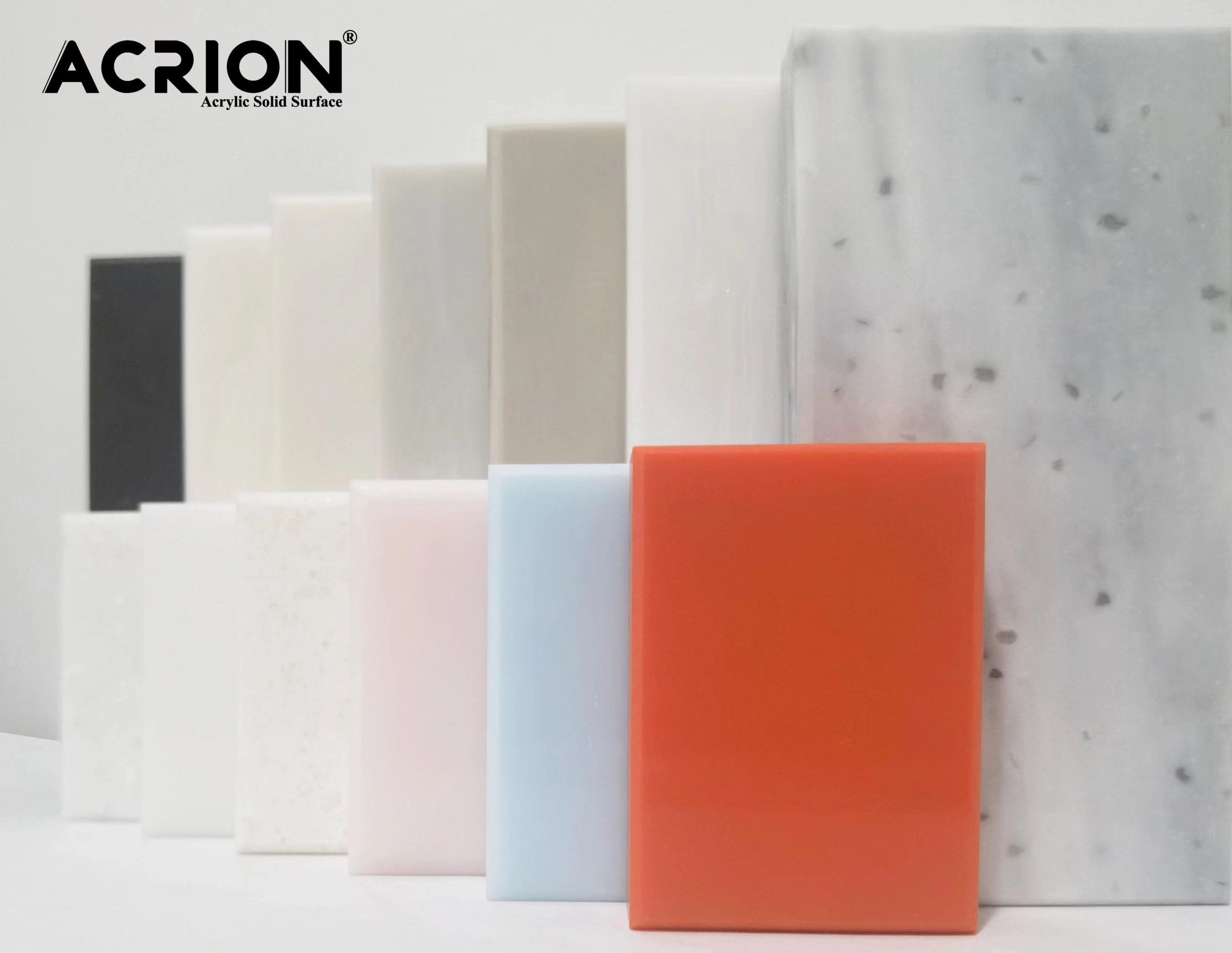
Acrylic surfaces, however, offer unlimited color and pattern possibilities. Manufacturers can create virtually any look desired, from realistic stone replicas to completely abstract designs. The ability to produce consistent color throughout the surface means no more worrying about matching different sections of a countertop. You get the visual appeal of natural materials without the inconsistency.
This versatility extends beyond color. Bohemia surfaces can incorporate various textures, finishes, and even embedded elements like metallic flakes or natural stone chips. Imagine having the look of a premium marble countertop but with the ability to customize every aspect of the design. The possibilities are nearly endless, allowing homeowners to create spaces that truly reflect their personal style. For those who love customization but want reliable performance, this represents a major advantage.
Maintenance Requirements and Longevity
Maintenance is perhaps where Bohemia reinforced acrylic surfaces really pull ahead of traditional materials. Natural stone requires regular care that most homeowners simply don't have time for. Granite needs to be sealed every six months to a year, depending on usage. Marble, being softer, requires even more attention to prevent etching and staining. Even with proper care, these materials eventually show signs of wear.
Bohemia surfaces, however, are designed for minimal maintenance. A quick wipe with mild soap and water is usually sufficient to keep them looking pristine. There's no need for special cleaning products or regular sealing. The surface is non-porous, which means it resists stains and bacteria growth naturally. This is particularly important in kitchens and bathrooms where hygiene matters.
In terms of longevity, the reinforced structure means these surfaces can withstand decades of daily use. While traditional materials might show signs of wear within a decade, Bohemia surfaces often maintain their appearance for 20-30 years or more. The key advantage here is consistency – you know exactly what you're getting in terms of performance and appearance over time. No surprises, no unexpected breakdowns, just reliable service year after year.
Environmental Impact and Sustainability
Today's consumers are increasingly concerned about environmental impact when making purchasing decisions. This includes everything from manufacturing processes to end-of-life disposal. Bohemia reinforced acrylic surfaces often have advantages in sustainability compared to traditional materials.
Natural stone extraction involves significant environmental disruption. Quarrying granite or marble can alter landscapes permanently and requires substantial energy for transportation. The processing of these materials also generates considerable waste. In contrast, acrylic manufacturing can be more controlled and efficient, with better waste management practices in place.
Additionally, many Bohemia surfaces are made with recycled materials or designed for recyclability at the end of their life cycle. This isn't to say that natural stone is inherently environmentally problematic – it's more about the overall lifecycle impact. The production of synthetic materials often uses less energy and creates fewer pollutants than extracting and processing natural resources.
However, it's worth noting that the environmental benefits depend heavily on the specific manufacturer and their production methods. Not all acrylic surfaces are created equal in terms of eco-friendliness. Homeowners should research specific brands and their environmental practices when making decisions. The growing emphasis on sustainable building materials means that this factor will likely become even more important in future purchasing decisions.
After examining how Bohemia reinforced acrylic surfaces compare to traditional materials, several clear patterns emerge. While natural stone has its undeniable beauty and appeal, the practical realities of maintenance, cost, and performance often favor the modern engineered alternatives. Bohemia surfaces offer a compelling middle ground – they combine the aesthetic appeal that traditional materials provide with the reliability and low maintenance that modern lifestyles demand.
The investment in Bohemia reinforced acrylic isn't just about the immediate visual impact. It's about long-term value, consistent performance, and peace of mind. Whether you're renovating a kitchen or updating a bathroom, these surfaces offer a smart choice for anyone seeking durability without compromising on design. They prove that innovation doesn't have to mean sacrificing the qualities we've come to expect from quality materials. The question isn't whether they're better than traditional options – it's whether you're ready to embrace a smarter approach to surface materials. The evidence suggests that they might just be the answer to many of our material needs.