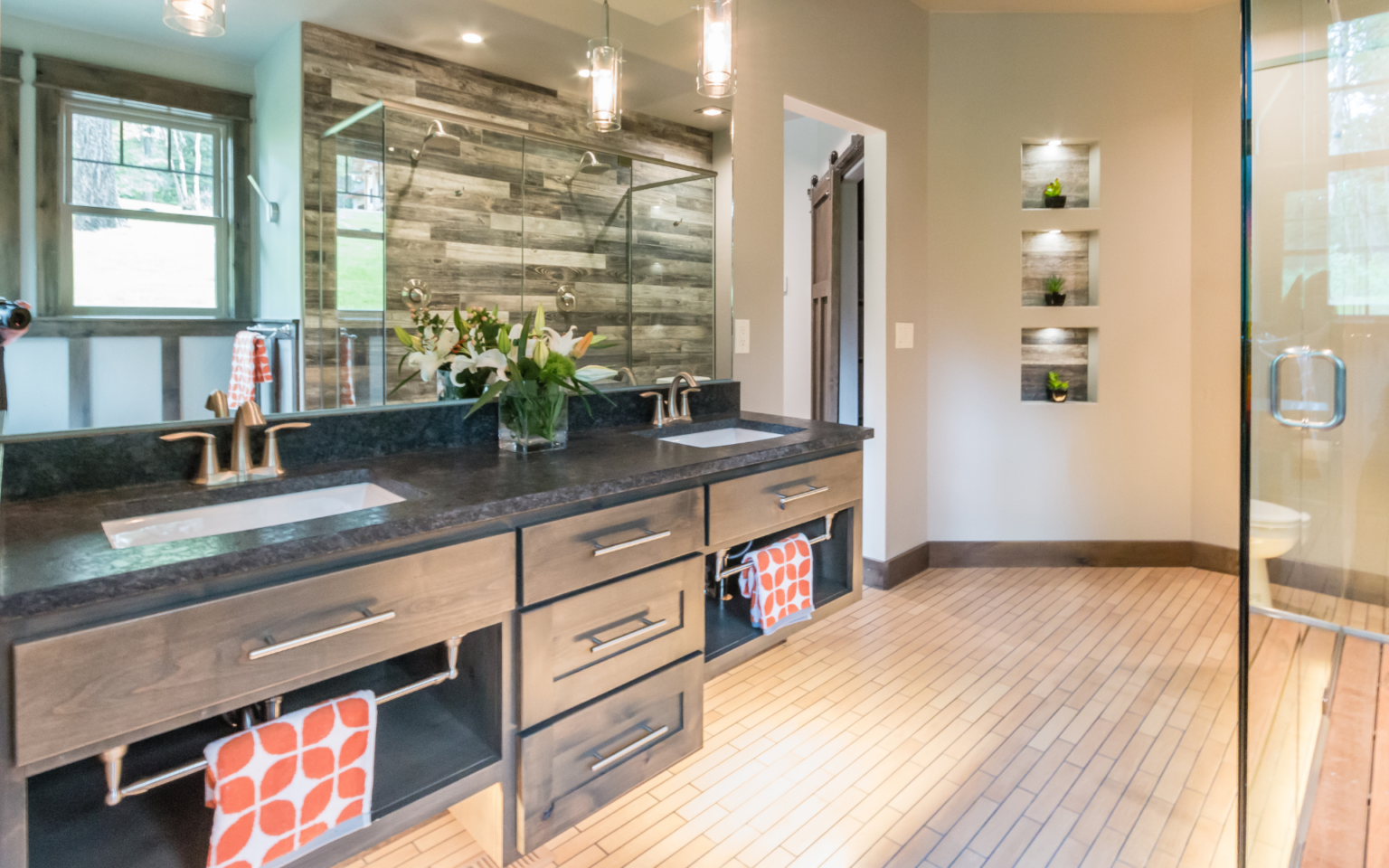
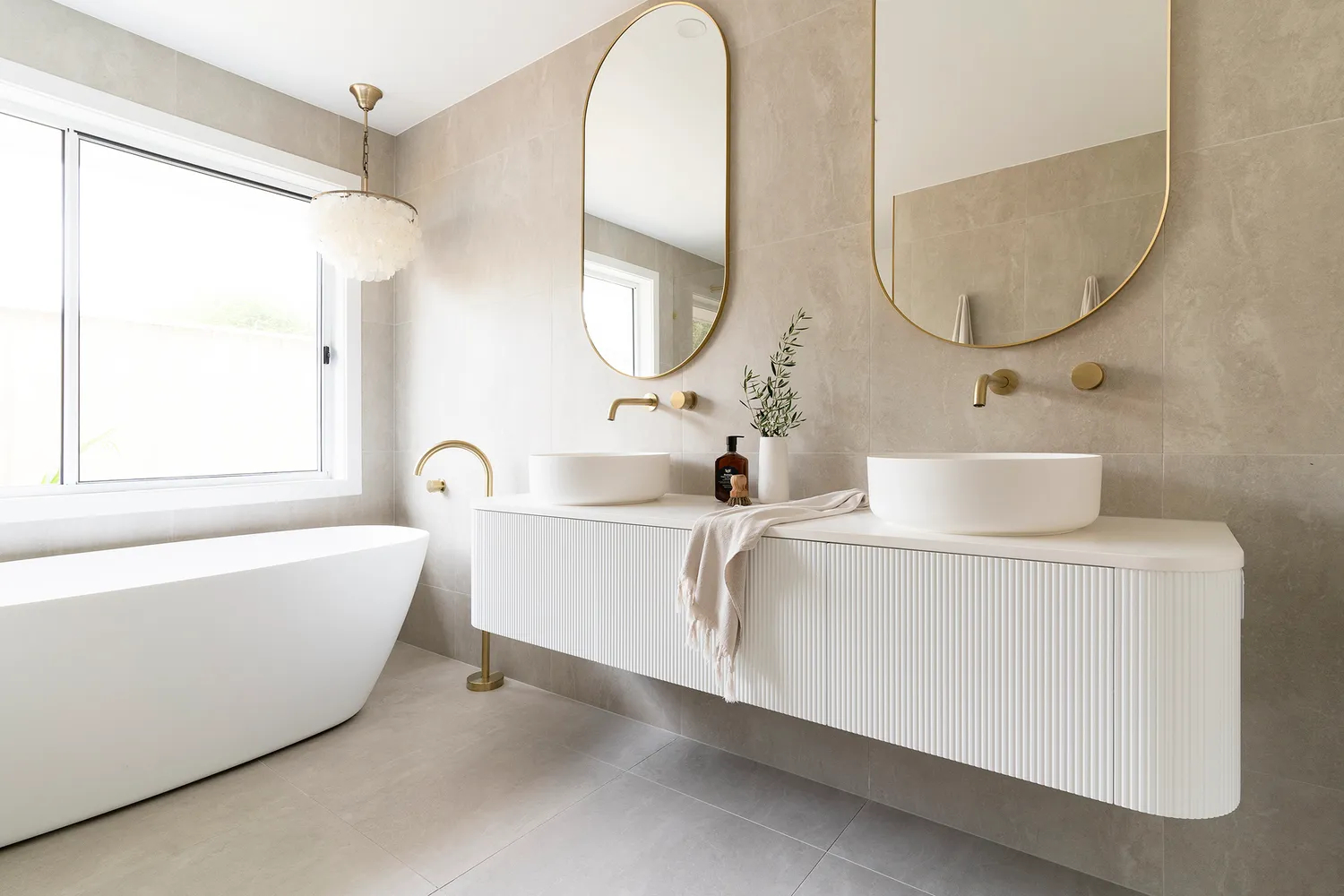
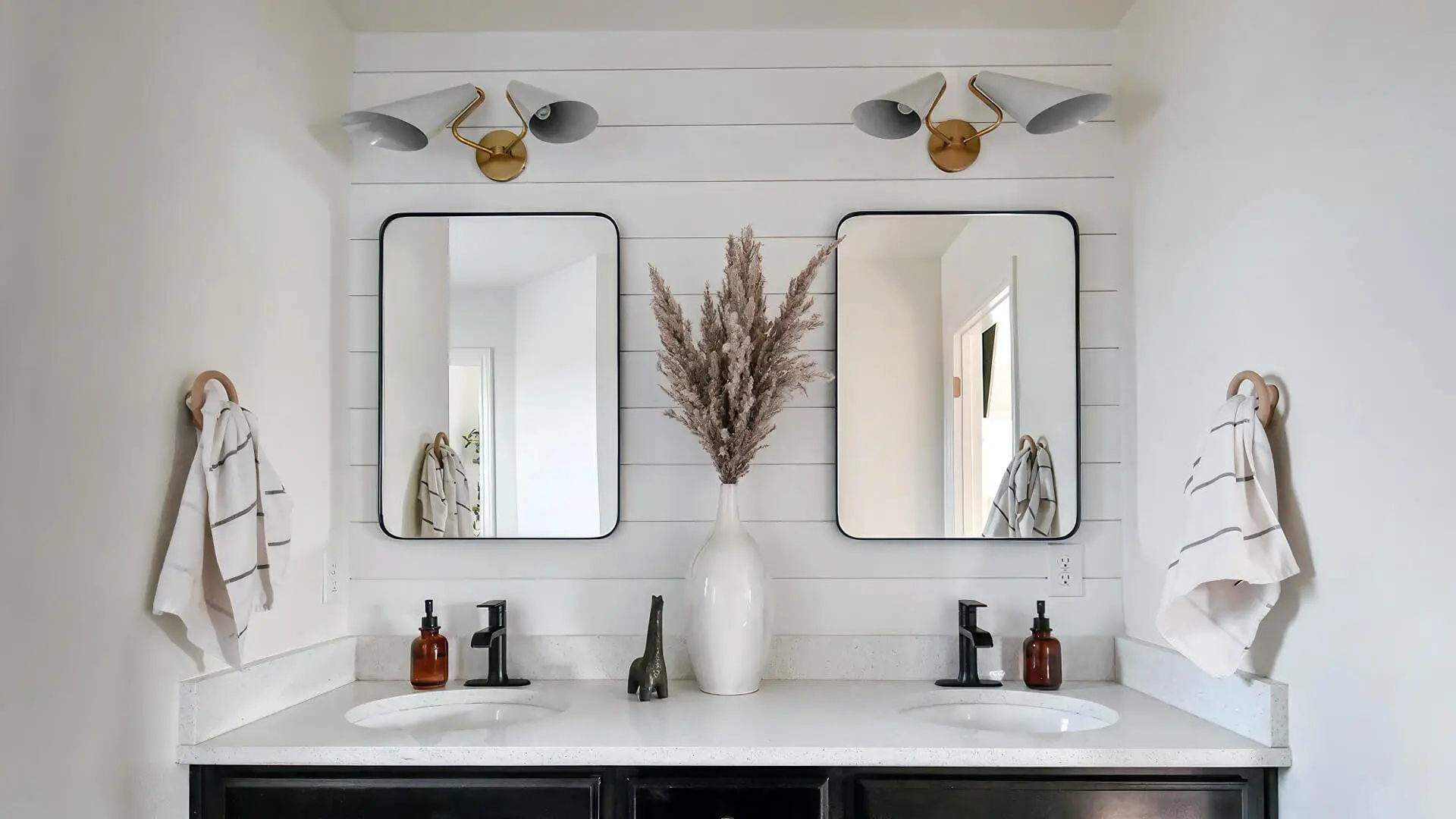
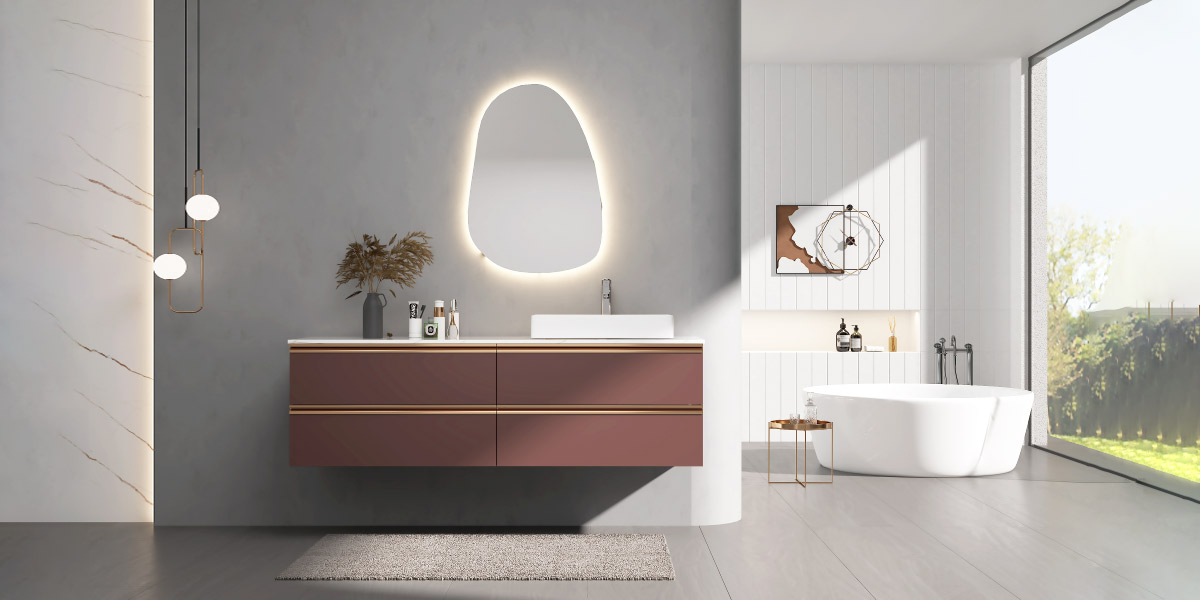
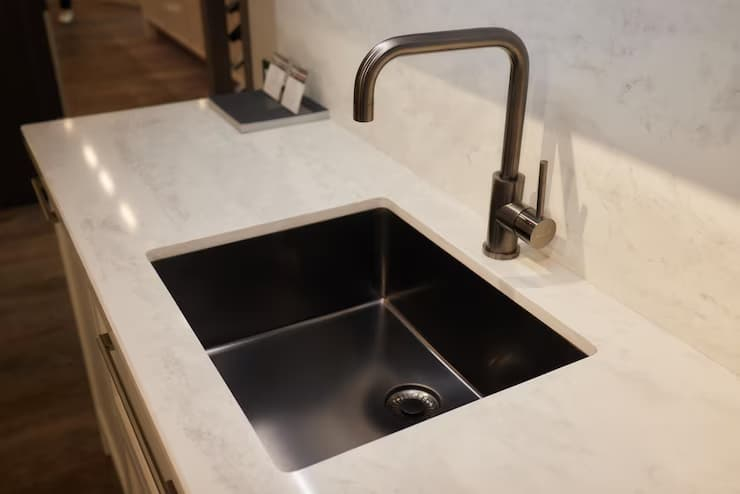
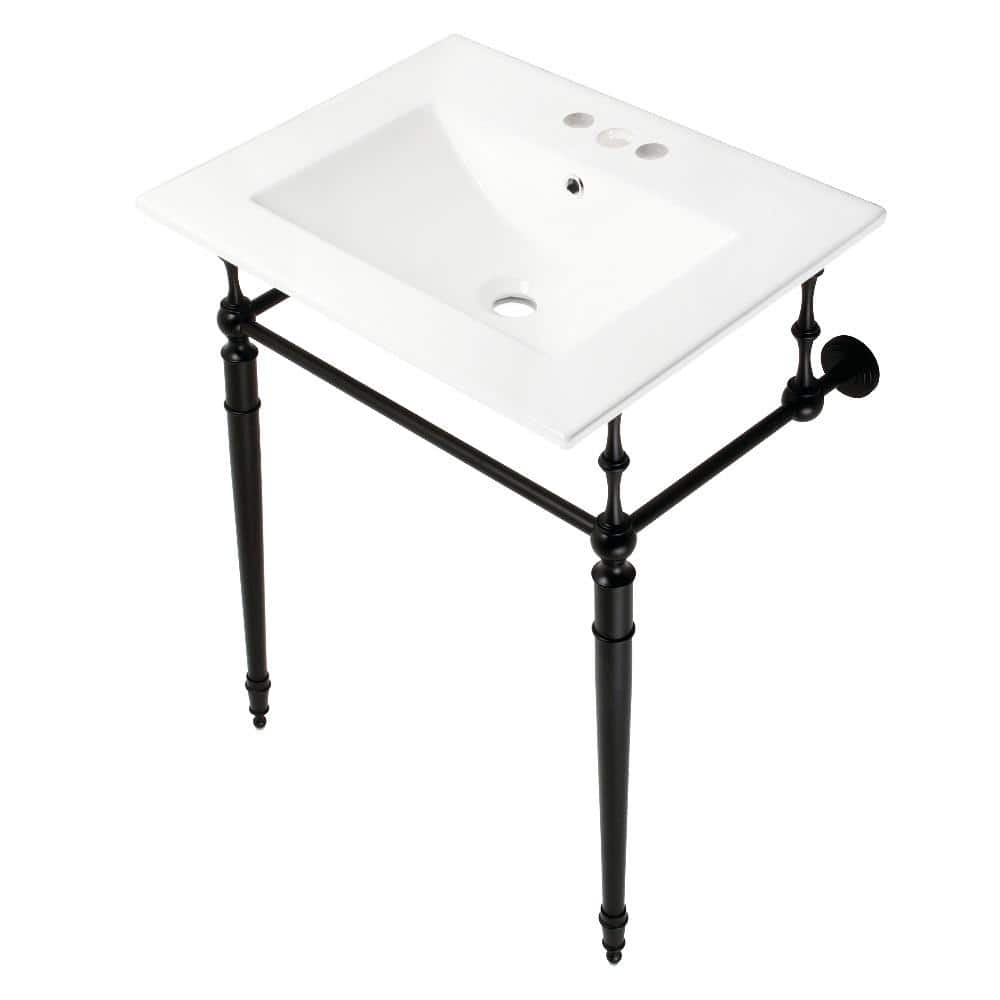
There's something undeniably sophisticated about the way nickel trim catches light and adds subtle elegance to any bathroom space. Whether you're renovating a vintage home or designing a sleek modern bathroom, nickel trim seems to effortlessly bridge the gap between classic and contemporary aesthetics. This versatile metal element has maintained its popularity for decades, and for good reason. What exactly makes nickel trim such a compelling choice for bathroom designers and homeowners?
When you think about bathroom fixtures and accents, the materials that come to mind might include chrome, brass, or even stainless steel. But there's a particular charm that nickel trim brings to bathroom spaces that sets it apart. It's not just about the shiny surface or the way it reflects light – there's something deeper going on. The appeal of nickel trim isn't merely superficial. It speaks to our sense of timeless sophistication and practicality. This metallic accent has been gracing bathrooms for generations, yet somehow it never feels dated. It's the kind of detail that transforms a simple bathroom into something truly special.
The Unique Characteristics of Nickel Trim
Nickel trim stands out because of its distinctive properties that make it particularly suited for bathroom environments. Unlike some metals that can tarnish or corrode quickly in moisture-rich settings, nickel offers excellent resistance to corrosion and rust. This durability means that nickel trim can maintain its pristine appearance for years, even in high-humidity conditions. The metal also has a naturally warm undertone that complements both cool and warm color schemes beautifully.
The texture of nickel trim is another factor that contributes to its appeal. It's neither too harsh nor too soft – it strikes that perfect balance that makes it feel luxurious without being overwhelming. When light hits nickel surfaces, it creates a subtle glow that adds dimension to otherwise flat surfaces. This quality makes nickel trim particularly effective around vanities, tubs, and shower enclosures where visual interest is crucial.
Consider how nickel trim interacts with different lighting scenarios. In natural daylight, it appears bright and clean, while under warm artificial lighting, it takes on a golden hue that adds coziness to the space. This adaptability makes it incredibly versatile for various bathroom designs.
Historical Significance and Evolution
Nickel trim isn't a new phenomenon in bathroom design. Its history stretches back several decades, with early applications appearing in mid-century modern bathrooms. The material gained prominence during the 1960s and 70s when designers were experimenting with metallic accents in home interiors. Back then, nickel was often used for cabinet hardware, door handles, and decorative elements.
What's fascinating is how nickel trim evolved from purely functional elements to becoming design statements. Early nickel fixtures were often utilitarian, but as manufacturing techniques improved, so did the aesthetic possibilities. By the 1980s, nickel trim had become associated with upscale, well-appointed bathrooms. The material's ability to complement both traditional and contemporary styles helped cement its place in bathroom design history.
Today, nickel trim continues to honor its historical roots while adapting to modern design trends. The evolution shows how certain design elements transcend time periods, maintaining relevance through their fundamental qualities rather than following fleeting fashion trends.
Versatility in Contemporary Design Applications
One of the most appealing aspects of nickel trim is how seamlessly it integrates into different design philosophies. In minimalist bathrooms, nickel trim provides just enough visual interest to prevent spaces from feeling sterile or overly simple. The clean lines and smooth finishes work perfectly with contemporary minimalist principles.
For those drawn to traditional or classic aesthetics, nickel trim offers a refined alternative to brass or bronze. It maintains the elegance associated with older design eras while providing the durability that modern homeowners expect. The metal's ability to pair with wood tones, stone textures, and neutral colors makes it incredibly adaptable.
In transitional design schemes, nickel trim acts as a bridge between old and new. It can complement both vintage fixtures and modern ones, creating cohesive spaces that feel intentional rather than haphazard. This versatility is why many interior designers consider nickel trim a safe choice for clients who want to update their bathrooms without taking major design risks.
Practical Benefits for Modern Bathrooms
Beyond its aesthetic appeal, nickel trim offers several practical advantages that make it particularly suitable for modern bathroom environments. Its resistance to moisture and humidity means it won't develop rust spots or discoloration like some other metals might. This characteristic is especially important in areas with high water usage or poor ventilation.
The maintenance requirements for nickel trim are relatively straightforward compared to other metallic finishes. Regular cleaning with mild soap and water usually keeps it looking pristine. Unlike some metals that require special polishes or treatments, nickel trim maintains its appearance with minimal effort.
Cost considerations also play a role in nickel trim's popularity. While it may be slightly more expensive than basic chrome options, the longevity and low maintenance requirements often justify the investment. Many homeowners find that nickel trim pays for itself over time through reduced replacement costs and minimal upkeep.
Color Coordination and Complementary Pairings
When it comes to color coordination, nickel trim proves remarkably flexible. It works exceptionally well with neutral palettes including whites, creams, and soft grays. These combinations create a clean, spa-like atmosphere that many homeowners find relaxing and appealing.
The metal also pairs beautifully with warmer tones like beige, taupe, and soft browns. This combination can create a cozy, inviting environment that feels both elegant and comfortable. Many designers recommend using nickel trim in bathrooms with earthy color schemes to add a touch of sophistication without overwhelming the space.
For those who prefer bolder design choices, nickel trim can still work effectively. It provides a nice contrast against deep blues, rich greens, or dramatic blacks. The key is ensuring that the overall palette remains balanced so that the nickel doesn't become too dominant.
The beauty of nickel trim lies in its ability to enhance rather than compete with other design elements. It serves as a perfect backdrop for statement tiles, interesting mirrors, or unique lighting fixtures without drawing attention away from these focal points.
Installation and Integration Considerations
Installing nickel trim requires some consideration of the existing bathroom infrastructure and design elements. The process involves careful measurement and planning to ensure proper fitment and alignment with other fixtures. Professional installation is often recommended, especially for complex applications like custom vanity trims or intricate shower surrounds.
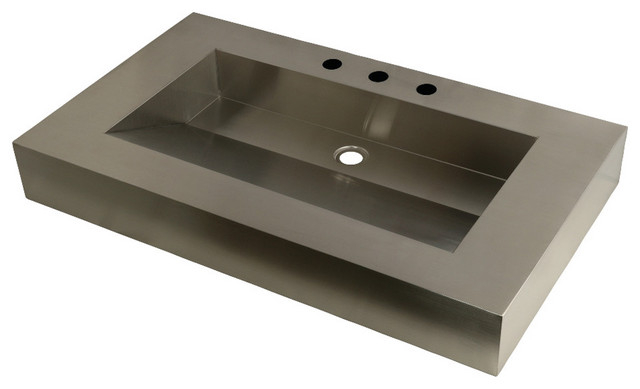
When selecting nickel trim for installation, it's important to consider the finish type. Brushed nickel offers a more textured appearance that can hide minor scratches and fingerprints better than polished versions. Matte nickel provides a more subdued look that works well in contemporary settings.
Integration with existing fixtures is crucial for achieving a cohesive look. The trim should complement rather than clash with faucets, towel bars, and other bathroom hardware. Many designers suggest choosing nickel trim that matches or closely coordinates with primary fixtures to create a unified appearance.
Budget considerations also factor into installation decisions. While nickel trim is generally more affordable than solid nickel fixtures, the cost can add up when covering large areas. Planning ahead and calculating total material needs helps avoid unexpected expenses during the installation process.
The enduring appeal of nickel trim in bathroom design isn't just about following trends – it's about embracing qualities that truly matter in daily life. Its combination of durability, aesthetic flexibility, and practical benefits makes it a smart choice for anyone looking to enhance their bathroom space. Whether you're updating an existing bathroom or designing a new one, nickel trim offers a reliable foundation that will continue to look fresh and attractive for years to come. The key is understanding how to use it thoughtfully, allowing it to elevate rather than overwhelm your design vision. As we continue to seek balance between form and function in our living spaces, nickel trim stands as a testament to the power of thoughtful design choices that stand the test of time.