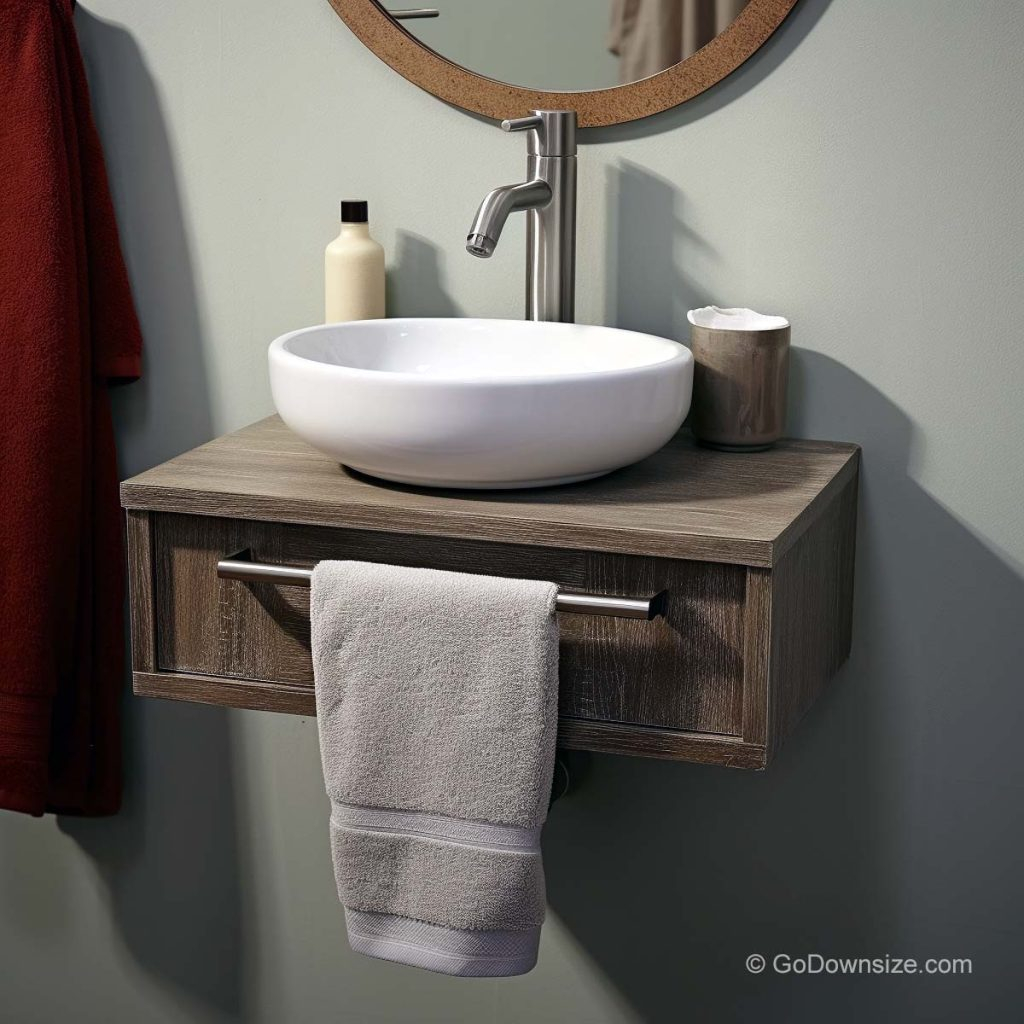
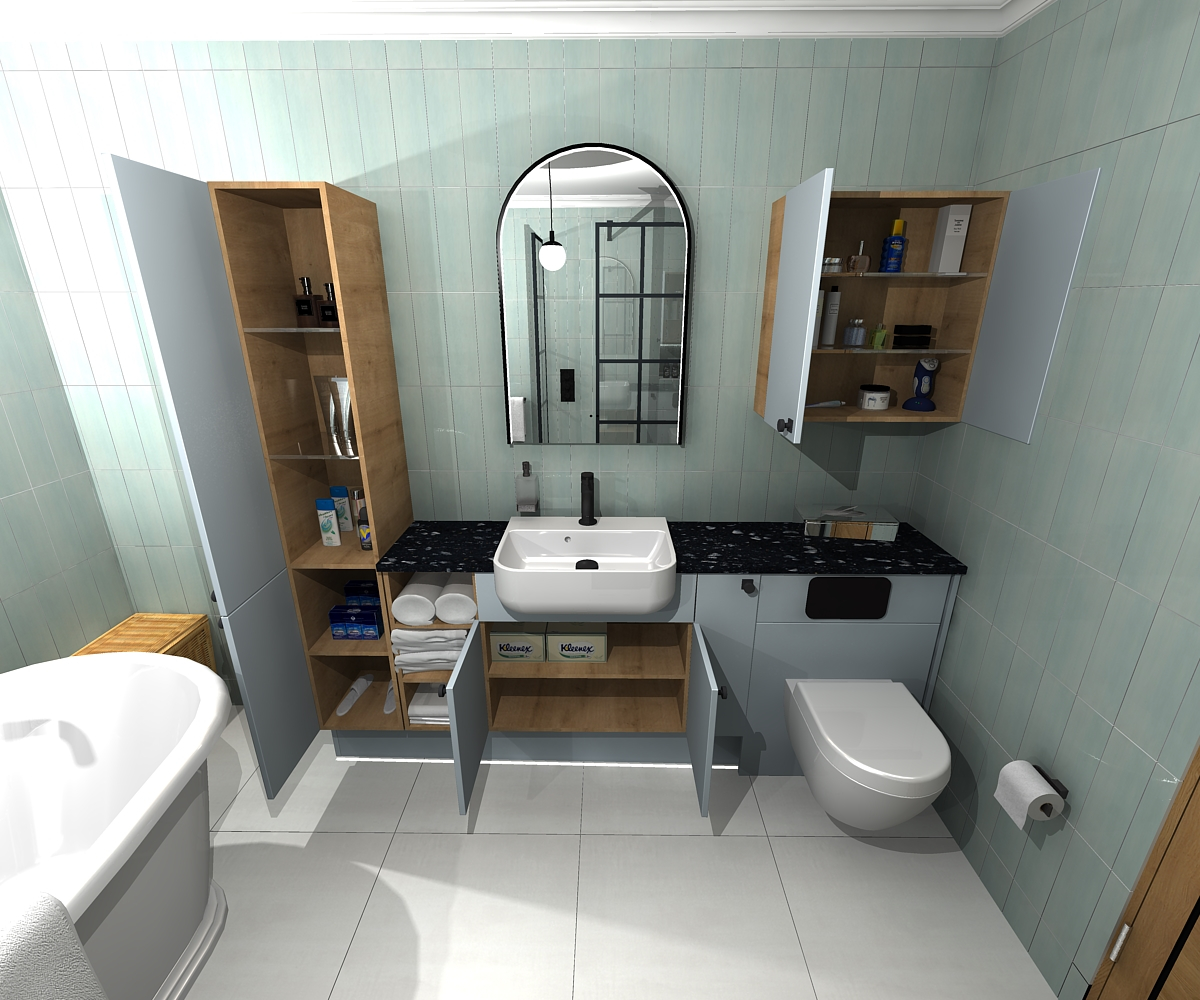
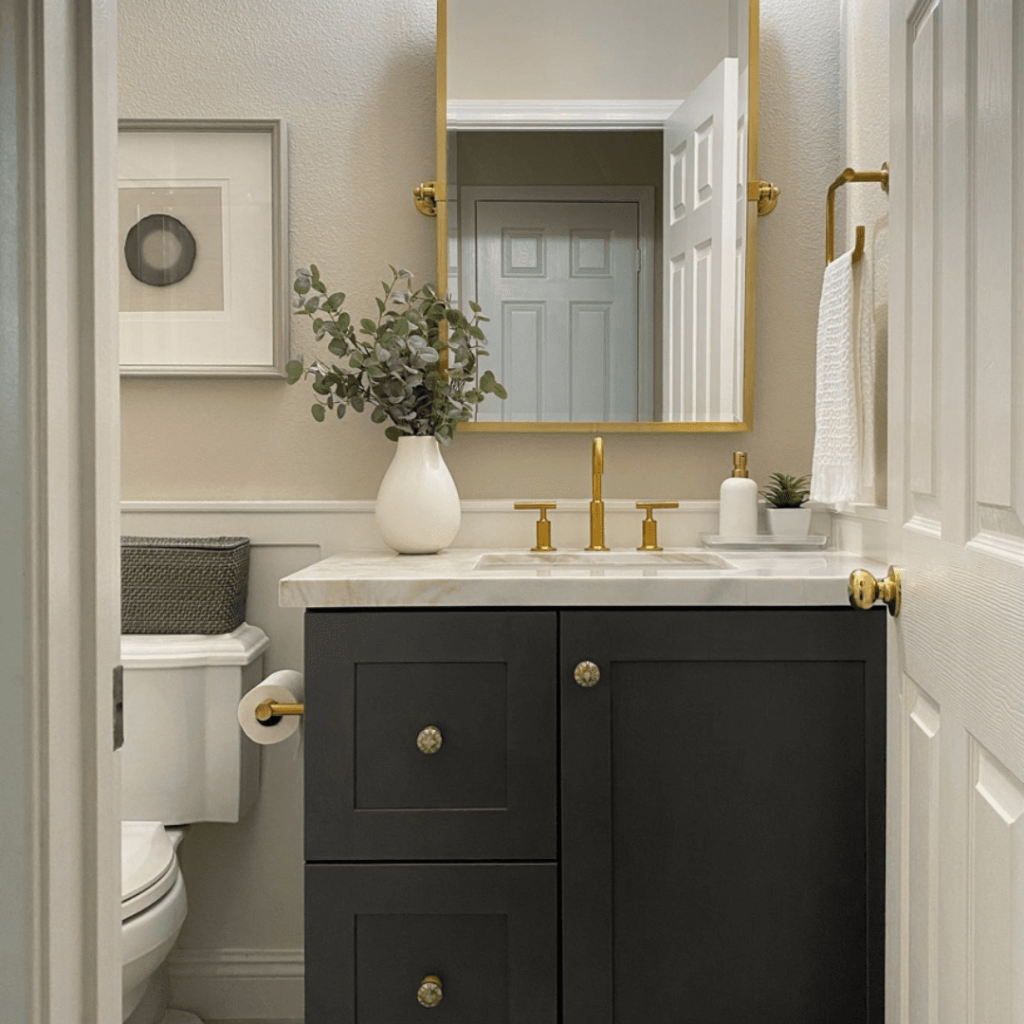
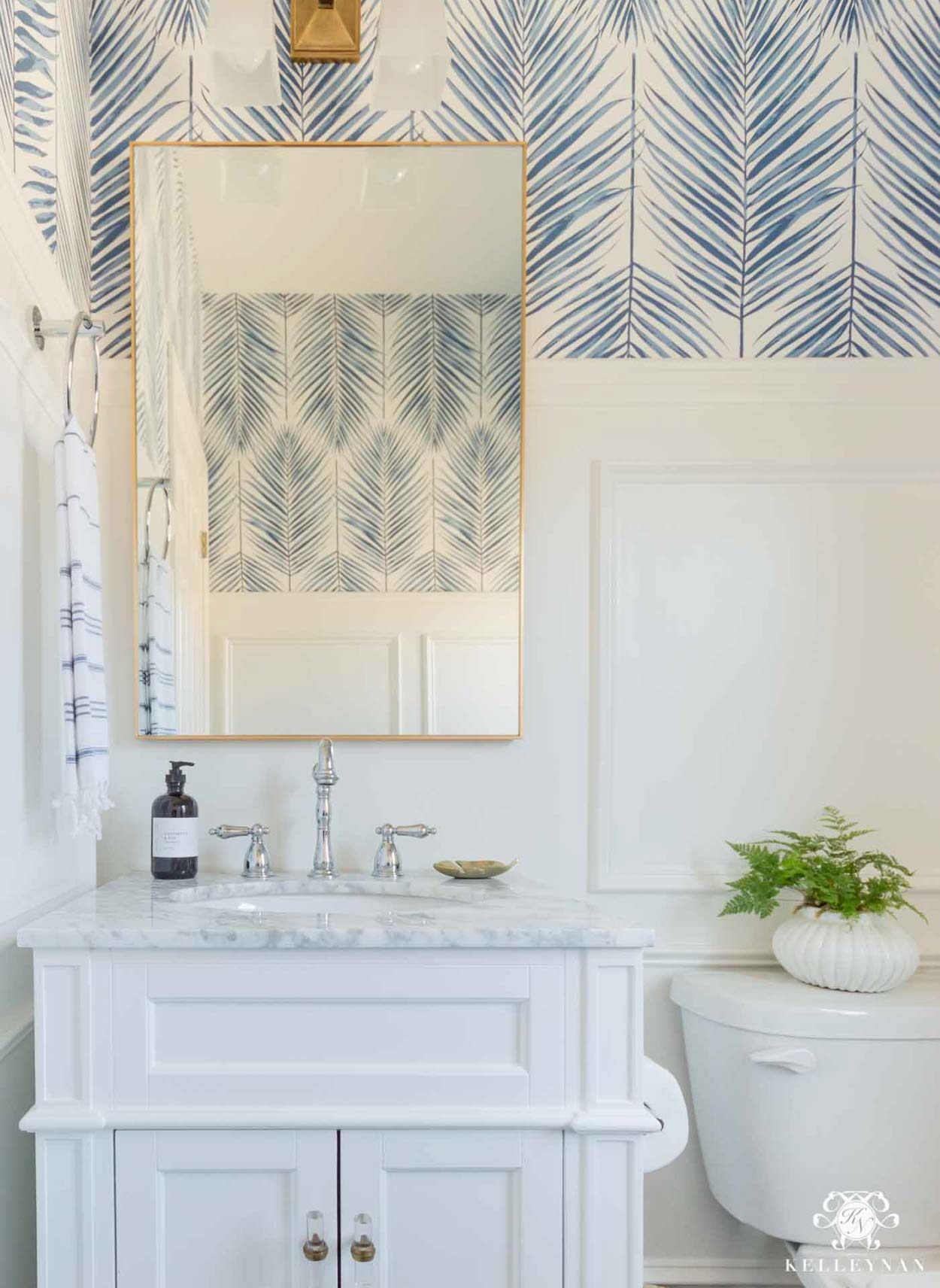
Picture this: You walk into a tiny bathroom and feel instantly overwhelmed by cluttered surfaces, heavy cabinetry, and visual barriers. Now imagine that same space, but with sleek, thin vanity tops that seem to float above the sink. It's not just a visual trick—it's a game-changing transformation. These minimalist designs aren't just pretty faces; they're practical solutions that open up small spaces in ways you never thought possible.
Small bathrooms often pose unique challenges for homeowners. Limited square footage means every inch counts, and the wrong design choices can make these spaces feel cramped and chaotic. Enter the humble vanity top—a seemingly simple element that, when designed right, can completely alter the perception and functionality of a compact bathroom. Thin vanity tops, in particular, have emerged as a powerful tool in the arsenal of small-space designers. They're not just about aesthetics anymore; they represent a fundamental shift in how we think about bathroom organization and spatial efficiency. These streamlined pieces offer a bridge between form and function, creating rooms that feel larger than their actual dimensions.
The Psychology of Space Perception
Why do thin vanity tops make such a dramatic difference? It all comes down to how our brains process visual information. When you look at a bathroom with thick, heavy vanity tops, your brain registers them as solid obstacles that take up physical space. But thin tops create an illusion of openness. They appear to 'lift' off the surface, drawing the eye upward and creating a sense of vertical space. This psychological effect is particularly powerful in small rooms where every visual element matters.
Consider how a wide, heavy vanity can make a 6-foot bathroom feel like a closet. Now picture that same space with a slim vanity top that barely touches the sink. Suddenly, the room feels more breathable, more expansive. The contrast isn't just visual—it's emotional. People report feeling less stressed and more relaxed in spaces that appear larger and more open.
This phenomenon works because our brains naturally seek out clean lines and minimal visual clutter. Thin vanity tops align perfectly with this preference, creating an environment that feels both sophisticated and effortless.
Design Versatility and Material Innovation
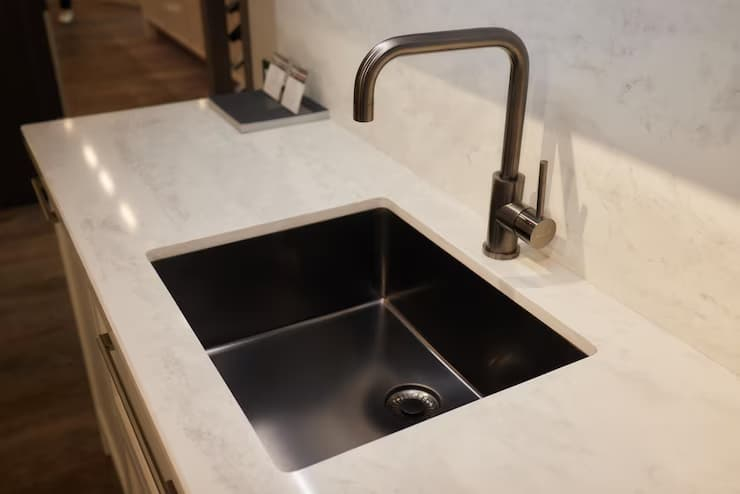
Modern thin vanity tops come in an impressive array of materials and finishes that suit virtually any bathroom style. From natural wood grains to sleek stone textures, these tops offer designers and homeowners unprecedented flexibility. The materials themselves often play a crucial role in their effectiveness. For instance, materials like tempered glass or acrylic can add a sense of lightness that makes spaces feel airy and uncluttered.
Many contemporary thin tops feature integrated storage solutions that maximize utility without sacrificing the clean aesthetic. Some incorporate hidden compartments, while others use clever organizational systems that keep everything within reach but out of sight. The key is that these elements work together seamlessly rather than competing for attention.
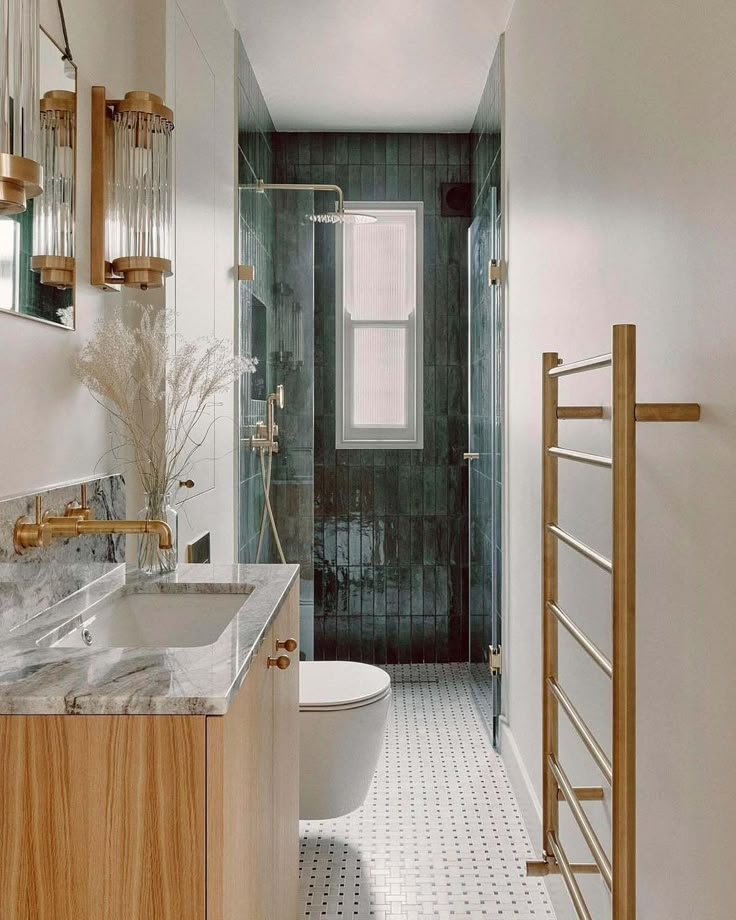
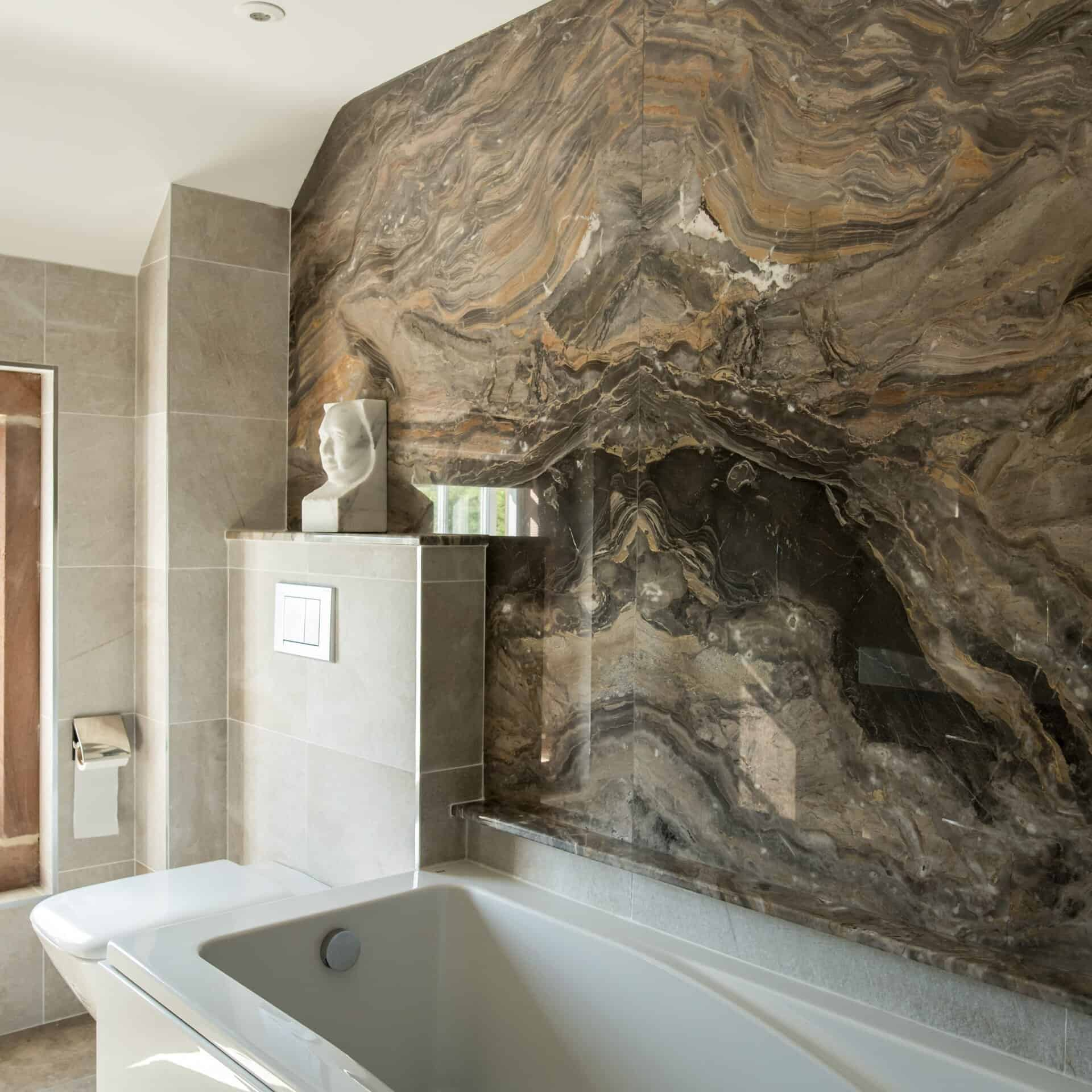
Take the example of a bathroom with a thin marble vanity top. The natural veining creates visual interest without overwhelming the space. Meanwhile, the reduced profile of the top allows light to bounce around the room more freely, creating a brighter, more welcoming atmosphere. This combination of beauty and practicality is what makes thin vanity tops so appealing.
Practical Benefits Beyond Visual Appeal
While the visual impact is undeniable, thin vanity tops offer tangible benefits that extend far beyond aesthetics. The reduced weight of these tops means easier installation and often lower costs. They're also simpler to maintain, requiring less cleaning effort and fewer specialized products. For people with mobility concerns, the lower profile can make daily tasks more manageable.
The practical advantages become even more apparent when considering maintenance. A thin vanity top typically requires less frequent cleaning because there are fewer surfaces to accumulate grime and water spots. The smooth edges and minimal crevices make wiping down much quicker and easier.
These tops also provide better access to plumbing fixtures and electrical outlets. In smaller spaces, this accessibility becomes crucial for safety and convenience. With a thinner profile, you're less likely to accidentally bump into or obscure important components during daily use.
Installation Considerations and Real-World Applications
Installing thin vanity tops does require some careful planning, but the results are worth the extra attention to detail. The key is ensuring proper support structure beneath the top. Many installers recommend reinforcing existing cabinets or adding additional bracing to handle the load distribution properly.
Real-world examples show how different approaches work in practice. In one case study, a homeowner converted a 3x4 foot bathroom by replacing a traditional 2-inch thick vanity with a 1.5-inch thin top. The change resulted in a 25% increase in perceived usable space. The bathroom felt significantly larger, even though the actual measurements remained unchanged.
Another successful application involved a renovation project where the previous vanity had been a heavy wooden slab. By switching to a thin composite top, the team was able to reduce the overall height of the vanity by nearly two inches. This small adjustment allowed for better lighting placement and improved workflow in the tight space.
Cost-Effectiveness and Long-Term Value
When comparing costs, thin vanity tops often prove more economical than their thicker counterparts. The materials used in many thin tops are lighter and sometimes less expensive to produce. Additionally, the installation process is typically faster and requires fewer specialized tools, reducing labor costs.
The long-term value extends beyond the initial purchase. These tops tend to age well and maintain their appearance longer than heavier alternatives. The reduced weight also means less stress on mounting hardware over time, potentially extending the life of the entire installation.
Consider a typical bathroom renovation scenario. A family of four might spend $800 on a thin vanity top compared to $1,200 for a traditional option. While the upfront cost difference seems modest, the savings compound over time through easier maintenance and longer-lasting performance. Plus, the increased resale value of a well-designed, efficient bathroom often outweighs the initial investment.
Maintenance and Care Tips for Longevity
Proper care ensures that thin vanity tops maintain their appearance and functionality for years. Regular cleaning with mild soap and water usually suffices for most materials. Avoid harsh chemicals or abrasive cleaners that could damage the surface finish.
For materials like granite or quartz, periodic sealing may be necessary to protect against stains. However, many modern thin tops are engineered to resist moisture and staining, reducing the need for regular maintenance.
A helpful tip for homeowners is to use coasters or trivets when placing items on the vanity surface. This simple practice prevents scratches and dents that could compromise the sleek profile of the top. Additionally, keeping the area dry after use helps prevent water spots and mineral buildup.
Regular inspection of mounting hardware is also essential. Since thin tops rely heavily on secure attachment, checking fasteners periodically ensures continued safety and stability. Most manufacturers recommend annual inspections, especially in high-humidity environments.
Thin vanity tops represent more than just a design trend—they're a practical solution for modern living spaces that demand efficiency and elegance. Their ability to transform small bathrooms into more spacious, functional areas proves that sometimes the smallest changes can yield the biggest impacts. Whether you're renovating a cramped powder room or redesigning your master bathroom, these streamlined options offer a compelling blend of beauty and utility.
The key lies in understanding that thin vanity tops work best when they're part of a cohesive design strategy. They should complement other elements in the room rather than compete with them. When chosen thoughtfully and installed properly, these tops can dramatically improve both the visual and practical aspects of small bathroom spaces.
As we continue to live in smaller homes and apartments, the demand for smart, space-saving solutions will only grow. Thin vanity tops exemplify how thoughtful design can solve real problems while enhancing our daily experiences. They remind us that sometimes the most powerful design decisions are the ones that simply make things easier, cleaner, and more beautiful.