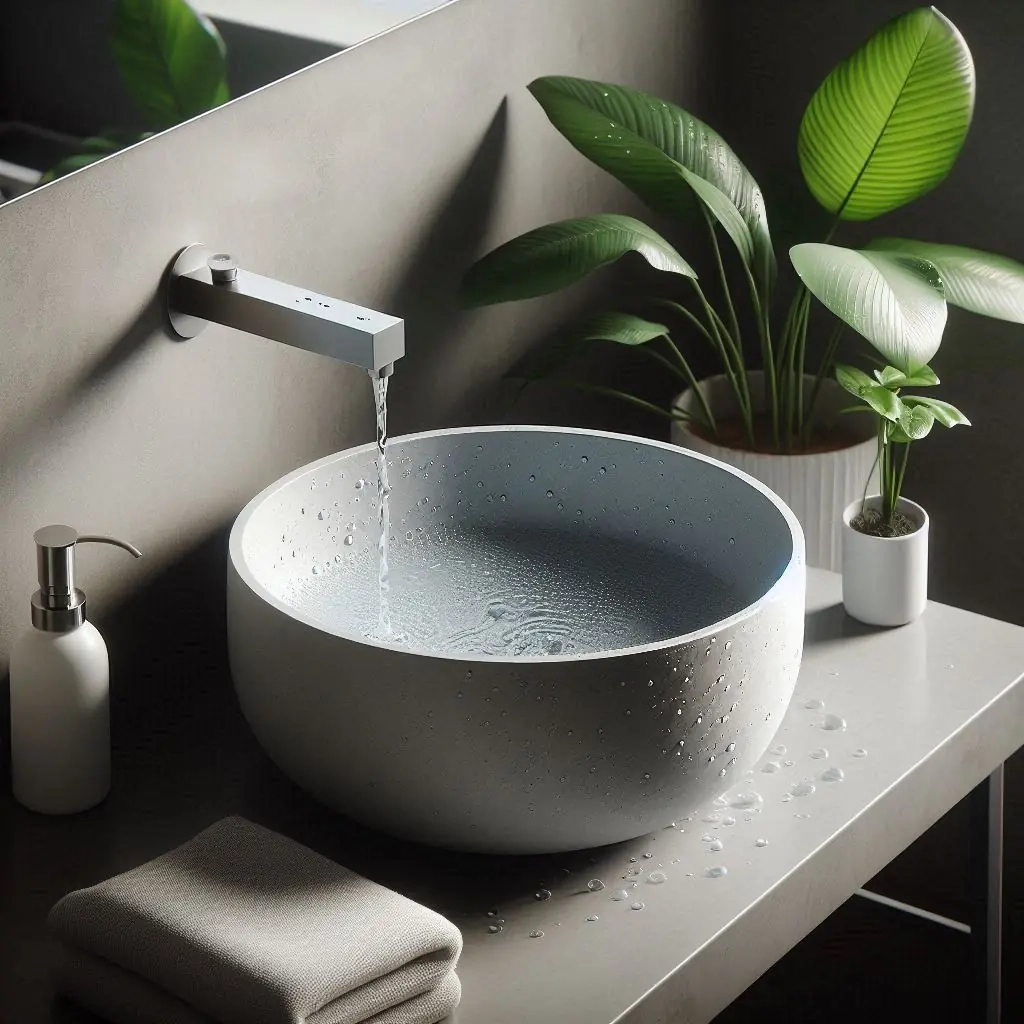
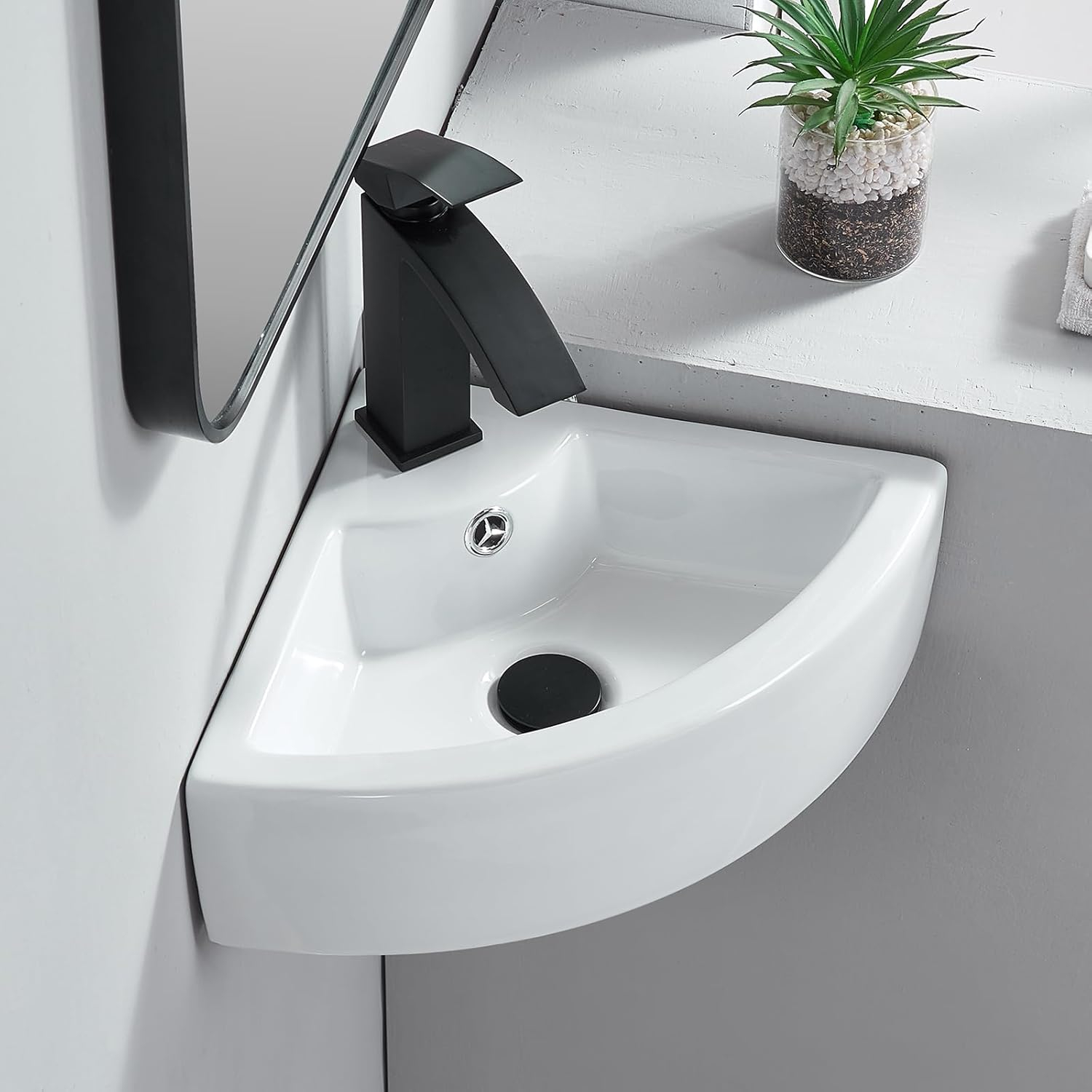
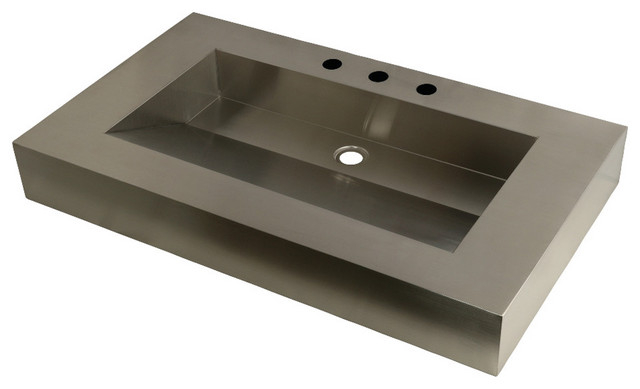
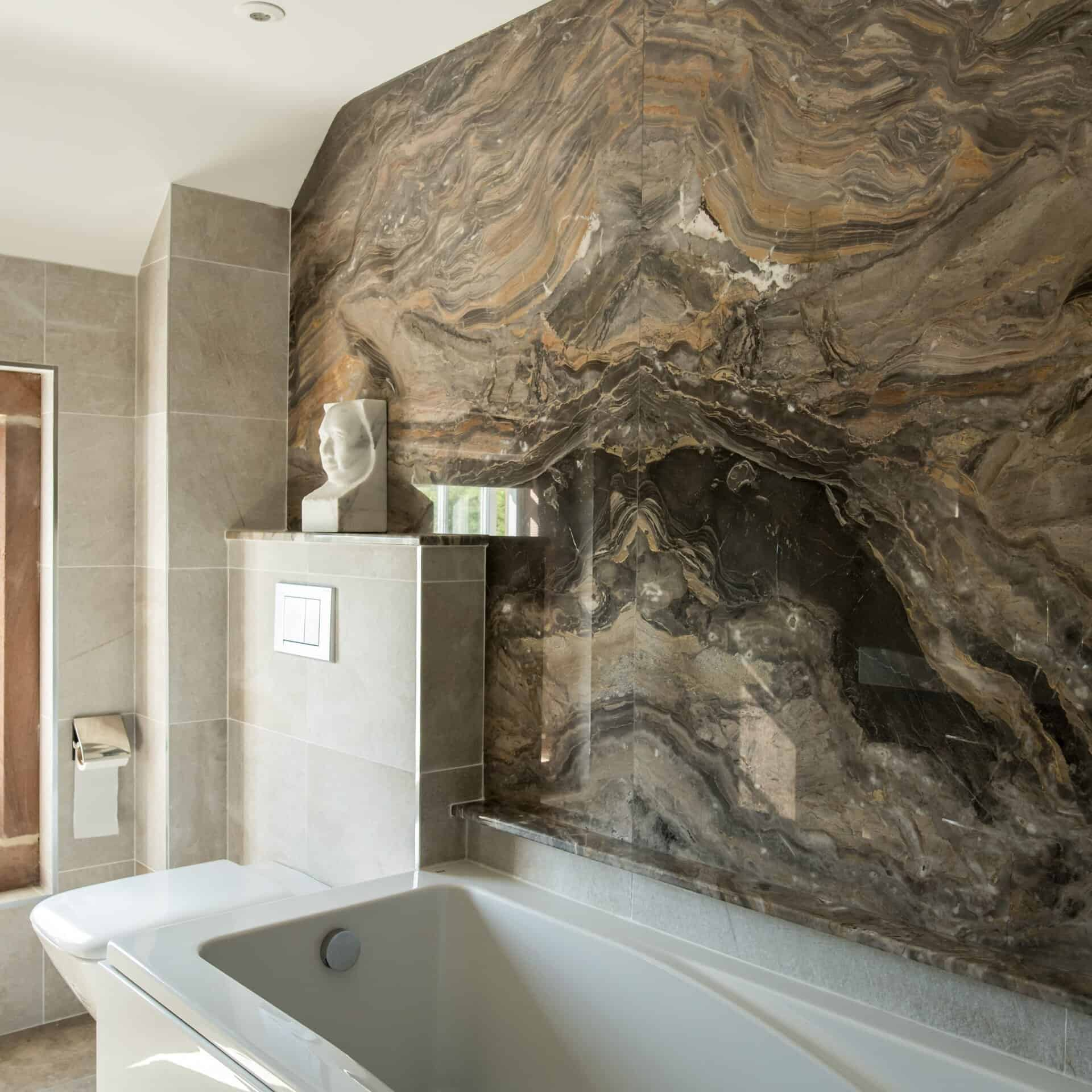
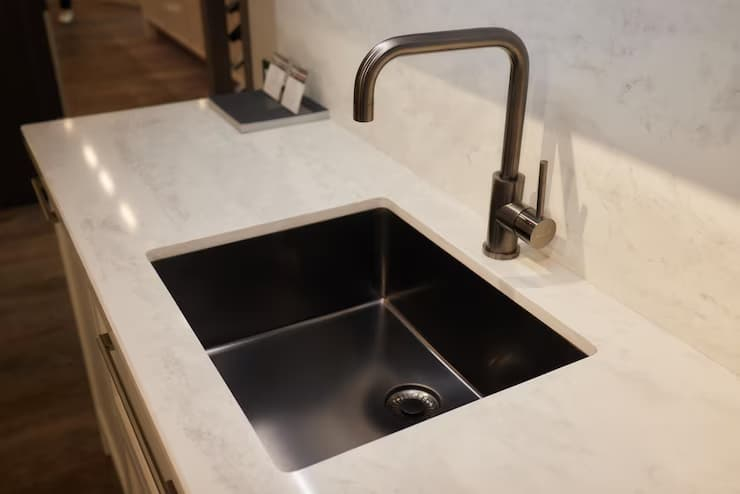
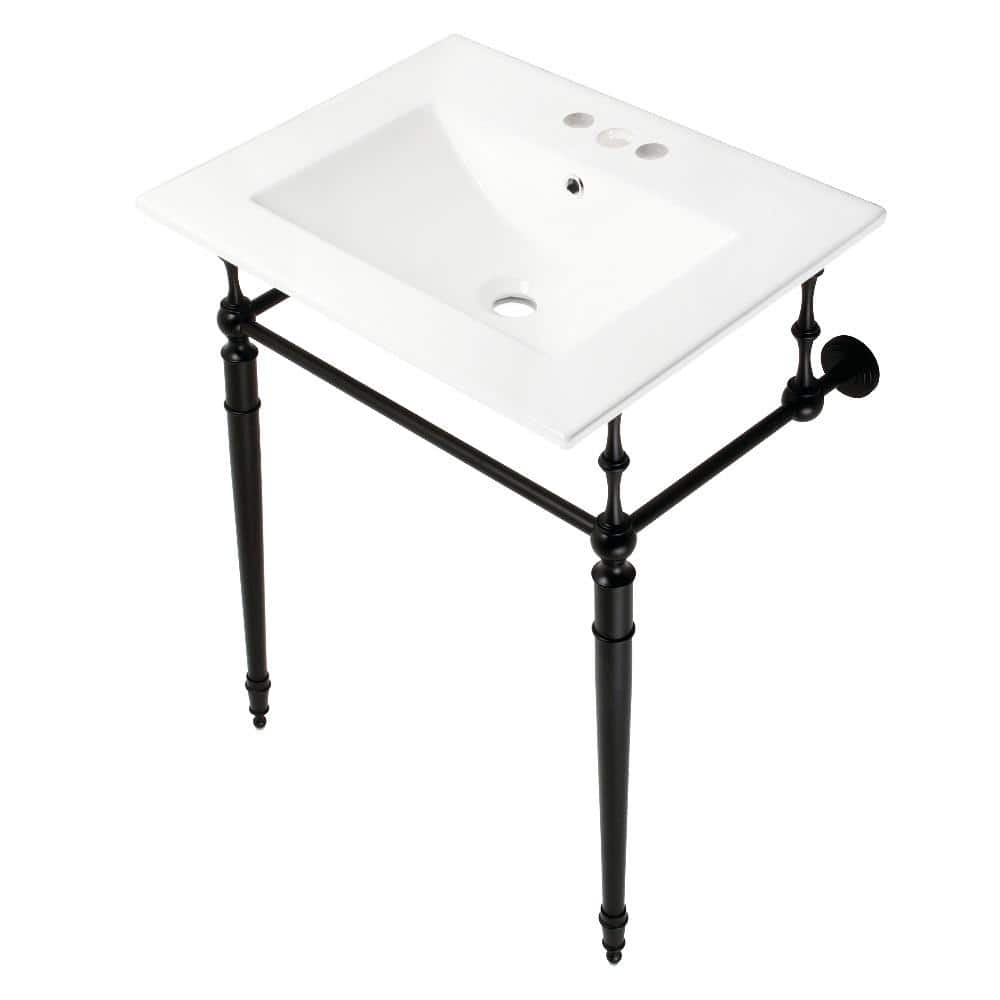
Every bathroom deserves a countertop that feels like it was made just for you. Whether you're drawn to the timeless elegance of marble or the modern simplicity of quartz, the right choice can transform your space from functional to fabulous. It's not just about picking something pretty - it's about finding that perfect balance between form and function that makes your daily routine feel special.
Bathroom countertops are often overlooked, but they play a surprisingly important role in setting the tone for your entire space. Think about it - you spend countless minutes each day in front of your vanity, and that counter surface becomes your daily companion. The material, color, texture, and style all contribute to how your bathroom feels. A well-chosen countertop can elevate a simple room into a sanctuary, while a poorly selected one can make even the most beautiful bathroom feel off-kilter. This isn't just about aesthetics though - we're talking about durability, maintenance, and how well the surface works with your lifestyle.
Understanding Material Basics
When you're standing in a showroom looking at endless options, it can feel overwhelming. But understanding the basics of countertop materials helps you make smarter choices. Natural stone like granite and marble brings unique character with each slab having its own pattern and veining. These materials offer incredible beauty but require more care and regular sealing. Quartz, on the other hand, provides consistent appearance with less maintenance. It's engineered to be highly durable and resistant to stains. For those seeking something completely different, materials like laminate offer budget-friendly options with a wide range of designs. Ceramic and porcelain tiles provide another avenue for customization, allowing you to create unique patterns and mosaics. Each option has its strengths and weaknesses that align with different lifestyles and preferences.
Color Psychology and Visual Impact
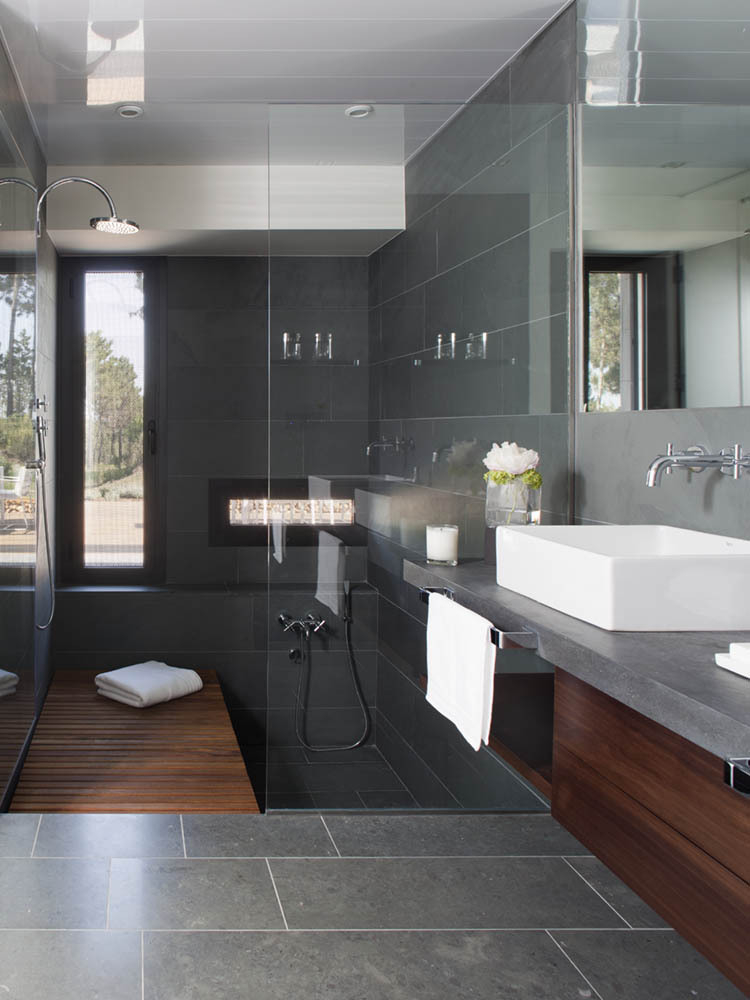
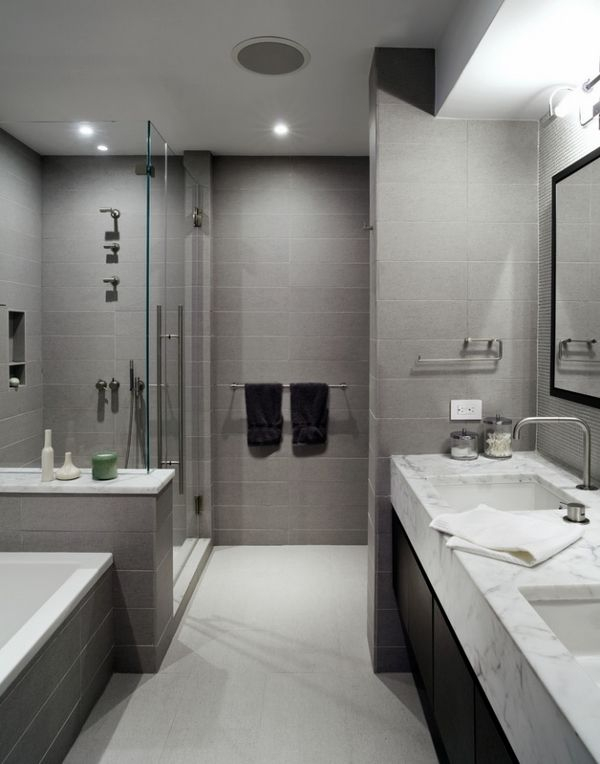
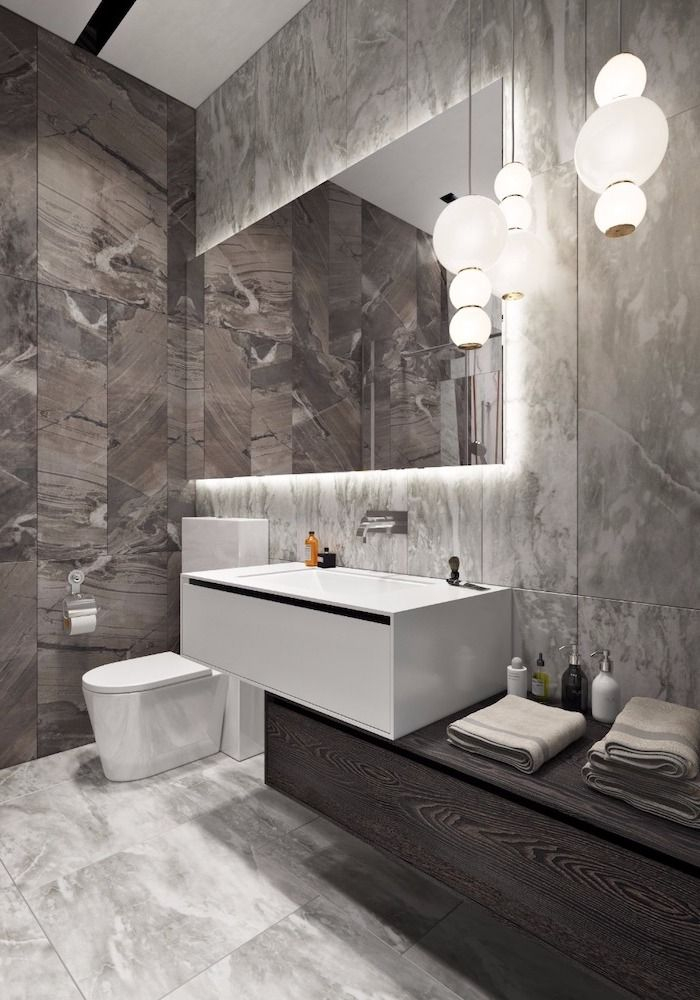
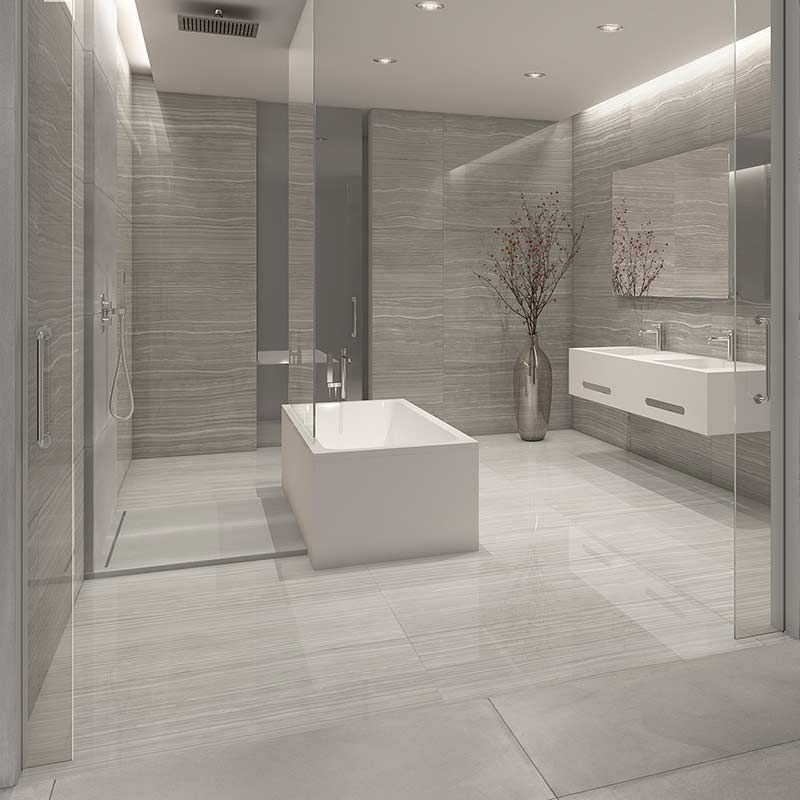
Colors in your bathroom can dramatically affect how the space feels. Lighter tones like white, cream, or soft gray can make small bathrooms appear larger and more open. They also reflect light beautifully, creating a bright, airy atmosphere. Darker colors such as charcoal gray or deep navy blue bring sophistication and can make a statement in larger spaces. They also hide water spots and daily wear better than lighter shades. Consider how colors interact with your lighting - natural light will make colors appear more vibrant, while artificial lighting can shift hues significantly. You might think you love a particular shade, but seeing it in different light conditions throughout the day can change your perspective completely. Don't forget to consider how the color will work with your fixtures, towels, and overall bathroom scheme.
Style Compatibility and Design Harmony
Your countertop needs to speak the same visual language as the rest of your bathroom. If you have a traditional home with ornate fixtures and classic lines, a sleek modern countertop might feel jarring. Similarly, a rustic farmhouse-style bathroom benefits from materials that echo that warm, lived-in feeling. The edges matter too - rounded edges often suit softer, more organic styles, while clean, straight edges work better with contemporary looks. Think about proportions too. A large, bold countertop can overwhelm a small vanity, while a delicate material might get lost in a spacious area. The key is ensuring all elements work together as a cohesive unit rather than competing for attention. Sometimes the best choice is a simple, understated countertop that lets other design features shine.
Practical Considerations and Daily Life
Let's face it - your bathroom countertop sees constant use. It's where you place your toothbrush, makeup, and daily essentials. That means durability matters. Materials like granite and quartz handle daily wear exceptionally well. They resist scratches, heat, and stains reasonably well. However, some materials require more upkeep than others. Marble, while stunning, needs regular sealing and careful handling to prevent etching. You also need to consider how the surface feels to the touch. Some materials can feel cold in winter, while others provide a warmer, more inviting sensation. Maintenance requirements vary wildly - some countertops require monthly cleaning with specific products, while others just need a quick wipe-down. Think about your routine and what kind of upkeep you're willing to manage long-term.
Budget Planning and Value Assessment
Countertops range from budget-friendly options to premium materials that can cost thousands. Setting a realistic budget early helps narrow your choices significantly. Keep in mind that the cheapest option isn't always the best value over time. A lower-cost countertop that requires frequent replacement or extensive maintenance may end up costing more in the long run. Quality installation also affects the final price, so factor that into your planning. Consider the total investment including materials, labor, and any additional features like custom edge treatments. Some homeowners find that spending a bit more upfront on a high-quality material pays dividends in reduced future maintenance costs and increased property value. Don't forget to account for potential repairs or replacements if needed.
Making the Final Selection
After considering all these factors, you'll want to see your chosen countertop in person. Many showrooms offer samples, which is invaluable for assessing how the material looks and feels. Look at the actual finish, not just photos online. Notice how the material reflects light and how it appears in different lighting conditions throughout the day. Take measurements carefully and consider how the countertop will fit within your existing space. Sometimes the perfect material looks different when installed versus when viewed on display. Bring along photos of your bathroom to help visualize the final result. Finally, trust your instincts. If something feels right to you and fits with your lifestyle, that's often the best indicator of success. Remember, you'll live with this decision daily, so choose with both your head and heart.
Selecting the right bathroom countertop is both an art and a science. It combines aesthetic taste with practical considerations, personal preference with lifestyle needs. The process might seem daunting at first, but breaking it down into manageable steps makes it much more approachable. Remember that there's no single "right" answer - what matters most is finding something that works for you and your space. Whether you're drawn to the classic appeal of natural stone or the clean lines of modern materials, the key is choosing thoughtfully. Your bathroom should feel like a retreat, and a well-selected countertop plays a crucial role in creating that atmosphere. Take your time, do your research, and trust yourself to make the best choice for your unique situation. After all, this is your space, and it should reflect your personality and daily needs perfectly.