When we think of the goddess Kali, our minds often race to images of fierce power and destruction. But beneath her terrifying visage lies a deeper story about transformation, wisdom, and the sacred feminine energy that flows through all existence. This ancient goddess represents more than just violence – she embodies the very essence of change itself.
In the rich tapestry of Hindu philosophy, few figures command as much attention and reverence as the goddess Kali. Her image appears across countless temples, sacred texts, and spiritual practices throughout India and beyond. What strikes many visitors to these sacred spaces is how her appearance seems to challenge conventional beauty standards. Yet there's method to her madness, and her symbolism runs far deeper than meets the eye. This isn't simply about scary imagery – it's about understanding how ancient wisdom uses powerful symbols to communicate profound truths about existence, death, and rebirth. As we explore Kali's sacred form, we'll uncover layers of meaning that speak to both the spiritual seeker and the curious observer.
Kali's Iconic Appearance and Its Meaning
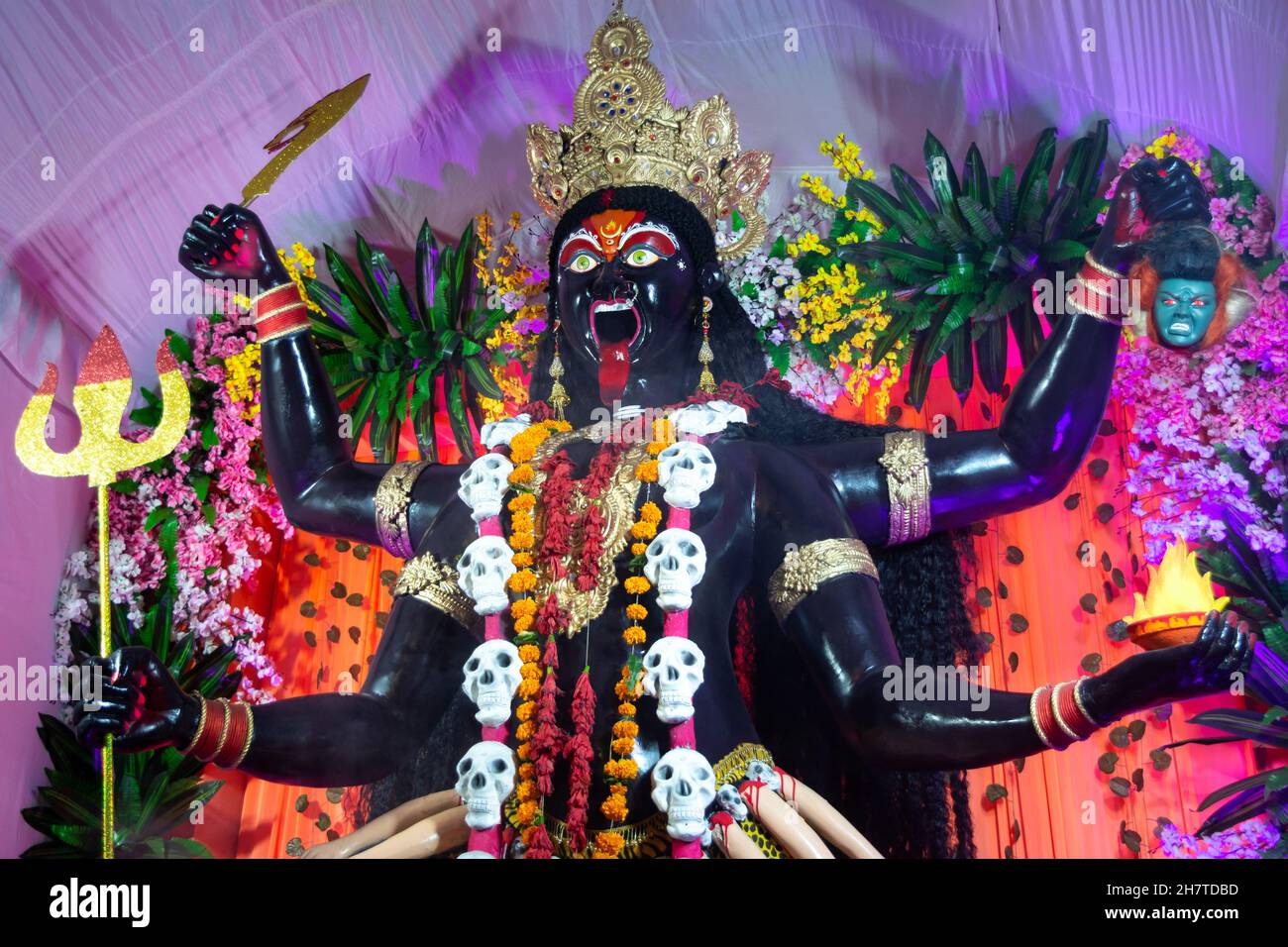
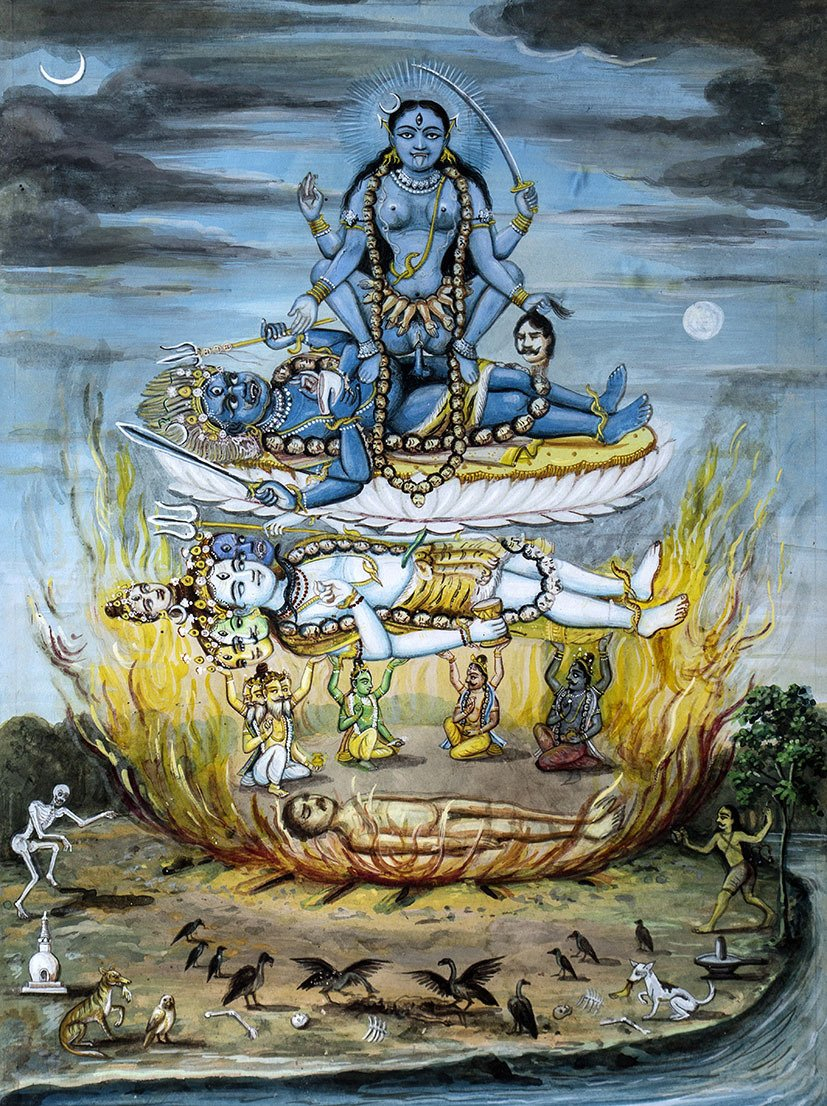
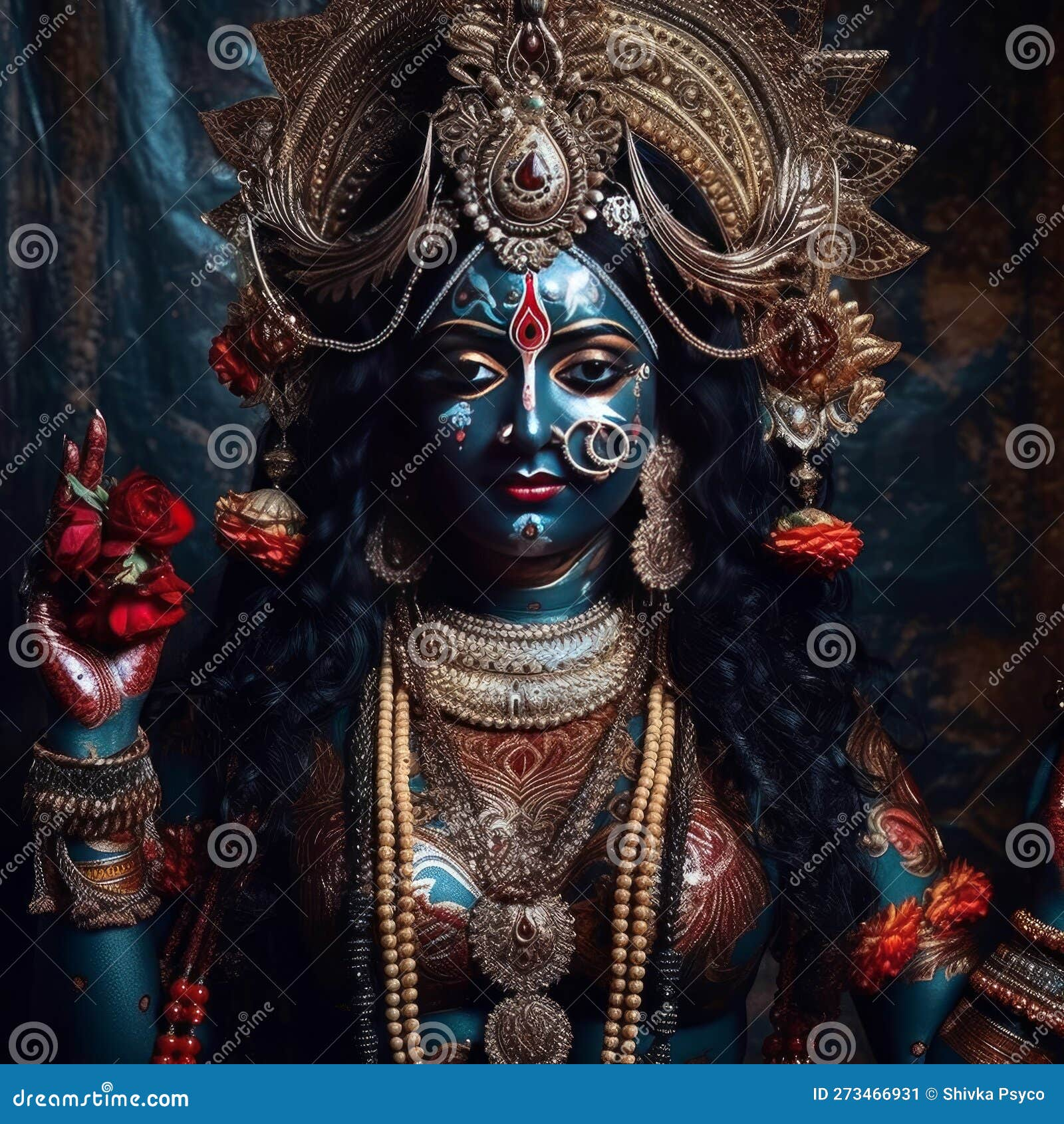
Kali's most recognizable features tell a story of cosmic transformation. Her dark skin represents the infinite void from which all creation emerges. The garland of skulls around her neck symbolizes the cycle of life and death, while her tongue protruding from her mouth shows her readiness to consume ignorance and ego. When we look at her four arms, each holding different weapons, we see the four aspects of divine power – destruction, creation, preservation, and transformation. Her wide, open eyes represent awareness and the ability to see beyond illusion. The way she stands on Shiva, her consort, shows the relationship between consciousness and matter, spirit and form. These aren't just artistic choices – they're carefully selected symbols that have been passed down through thousands of years. The red color of her clothing signifies the blood of sacrifice and the life force that flows through all beings. Even her posture – often depicted with one foot stepping on Shiva – represents the triumph of spiritual knowledge over material attachment.
The Mythological Origins of Kali's Form
The story of Kali's birth comes from the ancient Puranas, where she emerged from the anger of the goddess Durga during a battle with the demon Raktabija. This tale isn't just about warfare – it's about how destructive forces can become transformative when properly channeled. The demon's blood created more demons with each drop that fell, representing how negative emotions multiply when left unchecked. Kali's role was to stop this endless cycle of destruction by consuming the blood and thus ending the threat. This myth teaches us that sometimes we must embrace our fierce nature to overcome obstacles. Her appearance as a fierce warrior reflects the idea that true protection often requires bold action. The fact that she's depicted with a tongue hanging out suggests that she's ready to destroy anything that stands in the way of spiritual progress. Many scholars believe this story represents the ancient understanding that wisdom and destruction are two sides of the same coin – the same energy that can either destroy or create depending on how it's directed.
Symbolism of Kali's Weapons and Accessories
Every element of Kali's iconography carries deep meaning. Her sword represents the cutting edge of wisdom that separates truth from illusion. The severed head she holds symbolizes the death of ego and the end of false identification with the physical body. The bowl of blood reminds us that spiritual growth often involves sacrifice and letting go of attachments. Her necklace of skulls contains the remains of the dead, showing that death is not an enemy to be feared but a natural part of the cycle. The crescent moon adorning her hair represents the cyclical nature of time and the phases of consciousness. The snake around her waist signifies the kundalini energy that rises through the chakras. These symbols work together like a visual prayer book, telling the story of the journey from ignorance to enlightenment. The lotus flower she often holds represents purity and spiritual awakening emerging from muddy waters. Each item in her arsenal serves a purpose in the larger narrative of spiritual development.
Kali as a Symbol of Feminine Power
In Hindu tradition, Kali represents the feminine divine energy, or shakti, in its most intense form. She embodies the creative and destructive powers that drive the universe forward. Unlike other goddesses who might appear more nurturing, Kali shows us that divine feminine energy can also be fierce and uncompromising. This aspect of the feminine is often misunderstood or dismissed in modern society, but it's essential for understanding the full spectrum of divine qualities. Her role as destroyer isn't about being mean-spirited – it's about clearing away what no longer serves us so new growth can emerge. Many women find resonance in Kali because she represents the strength that exists within all of us, even when it appears in unexpected forms. The idea that she wears a tiger skin or sits on a corpse shows that even the most challenging circumstances can be transformed through spiritual practice. Her terrifying form actually protects those who approach with devotion, showing that true power comes from surrendering to higher wisdom rather than fighting against it.
Kali's Role in Spiritual Practice and Meditation
Practitioners who work with Kali's energy often describe feeling a sense of liberation when meditating on her form. The practice isn't about fear but about embracing the complete spectrum of experience. In tantric traditions, Kali's worship involves recognizing that all experiences – including those that seem negative – are part of a greater whole. Her energy helps practitioners confront their fears and limitations directly rather than avoiding them. The mantra associated with her, 'Om Klim Kalikayei Hrim,' is believed to awaken inner power and remove obstacles on the spiritual path. Many find that working with Kali's energy brings clarity and courage to face life's challenges. The practice often involves visualization techniques where practitioners imagine themselves embodying her qualities of strength and wisdom. This kind of meditation can be particularly helpful for those who feel overwhelmed by life's difficulties and need to connect with their inner power. The ultimate goal isn't to become violent or aggressive but to develop the strength to transform difficult situations into opportunities for growth.
Modern Interpretations and Cultural Impact
Today, Kali continues to inspire artists, writers, and spiritual seekers worldwide. Her image appears in contemporary art, literature, and popular culture, though often without the full context of her sacred origins. Some modern interpretations focus purely on her aesthetic appeal or use her imagery for commercial purposes, which can be problematic for those who understand her deeper significance. However, many contemporary spiritual teachers incorporate her symbolism into modern practices, helping people understand how ancient wisdom can apply to current challenges. The global interest in Kali reflects humanity's ongoing search for understanding about death, transformation, and the nature of consciousness. Her story resonates with anyone who has experienced major life changes or felt the need to let go of old patterns. The fact that she's still relevant today proves that the ancient wisdom she represents addresses universal human experiences. Whether someone approaches her through traditional worship or modern spirituality, the core message remains the same: transformation is possible when we face our deepest fears with courage and wisdom.
Kali's sacred form reveals itself as a profound teaching about the nature of existence itself. Through her fierce beauty, we learn that true strength comes not from avoiding conflict but from transforming it. Her symbolism reminds us that death and destruction are necessary parts of the creative process, just as darkness makes light more precious. Every element of her appearance speaks to the human condition and offers guidance for navigating life's inevitable challenges. Whether we approach her through traditional worship, meditation, or simply through admiration of her symbolic power, Kali invites us to examine our own relationship with fear, transformation, and spiritual growth. Her story ultimately tells us that we all possess the divine feminine energy within us, waiting to be awakened and expressed in ways that serve our highest good. The mystery of Kali's beauty isn't meant to intimidate us but to inspire us toward deeper understanding of ourselves and our place in the cosmic dance of existence.