Think about your last bathroom visit. Was it a place you rushed through, or did you actually enjoy spending time there? The truth is, bathrooms have evolved far beyond their utilitarian roots. Today's spaces are where we unwind, refresh, and sometimes even meditate. But how do we create bathrooms that are both beautiful AND work perfectly? It's a delicate dance that many struggle with, but when mastered, transforms any ordinary space into something extraordinary.
Bathrooms are often the most overlooked rooms in our homes, yet they play a crucial role in our daily lives. They're where we start and end our days, where we prepare for important meetings, and where we find moments of peace and reflection. The challenge lies in creating a space that feels luxurious and inviting while handling the practical demands of daily use. It's like trying to make a cake that tastes amazing and looks perfect, all while being easy to bake. This balance isn't just about pretty pictures or expensive fixtures. It's about understanding how form and function can coexist seamlessly. When done right, a well-designed bathroom becomes a sanctuary that enhances our quality of life rather than complicating it.
Understanding the Core Principles
The foundation of any great bathroom design lies in understanding what makes a space truly effective. Think of it like cooking - you need the right ingredients, proper technique, and an appreciation for how everything works together. First, consider the flow of movement. How will people move through the space? Is there enough room to open doors comfortably? Do you need to step over a tub to get to the shower? These small details can make or break someone's experience. Second, think about storage solutions. A beautiful vanity might look stunning, but if it's cluttered with random items, it loses its appeal. Good organization keeps the visual clean while ensuring everything has its place. Third, lighting matters more than you realize. Natural light creates warmth, while layered artificial lighting provides flexibility for different activities. A bathroom that feels dim or harsh can instantly ruin even the most beautiful design.
Choosing the Right Materials
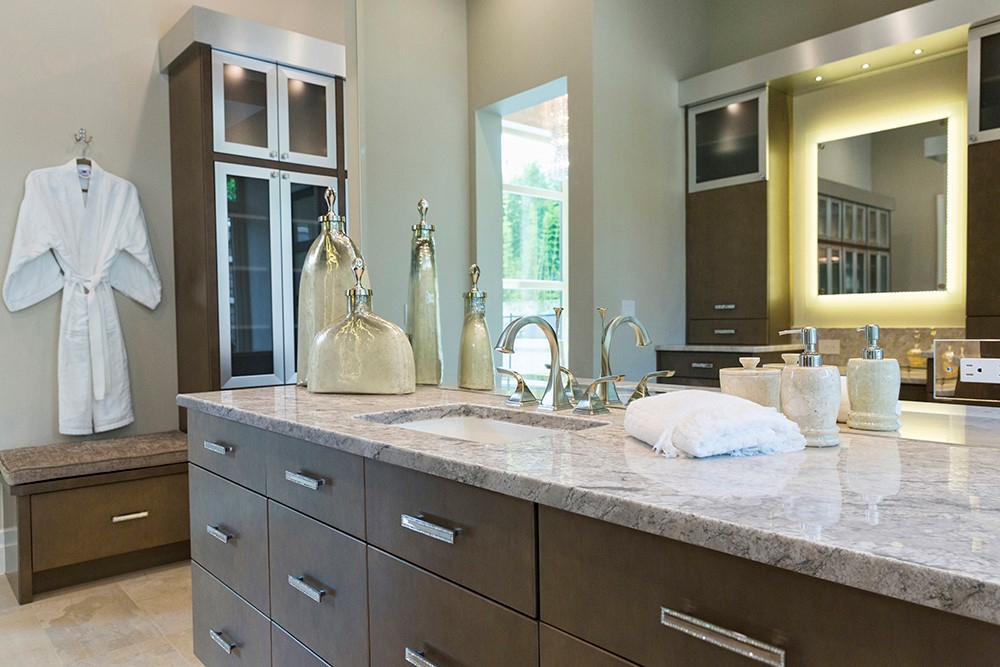
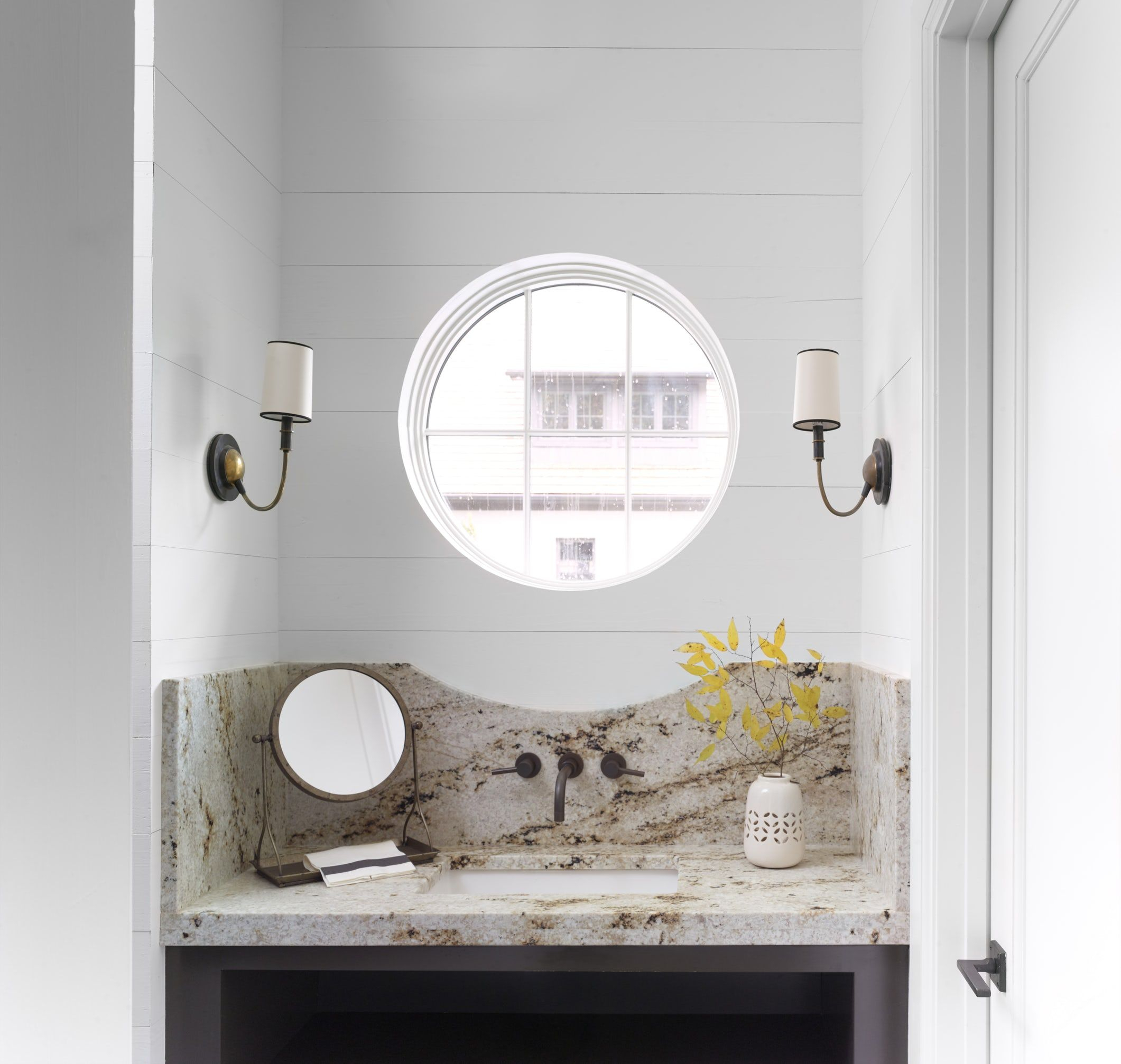
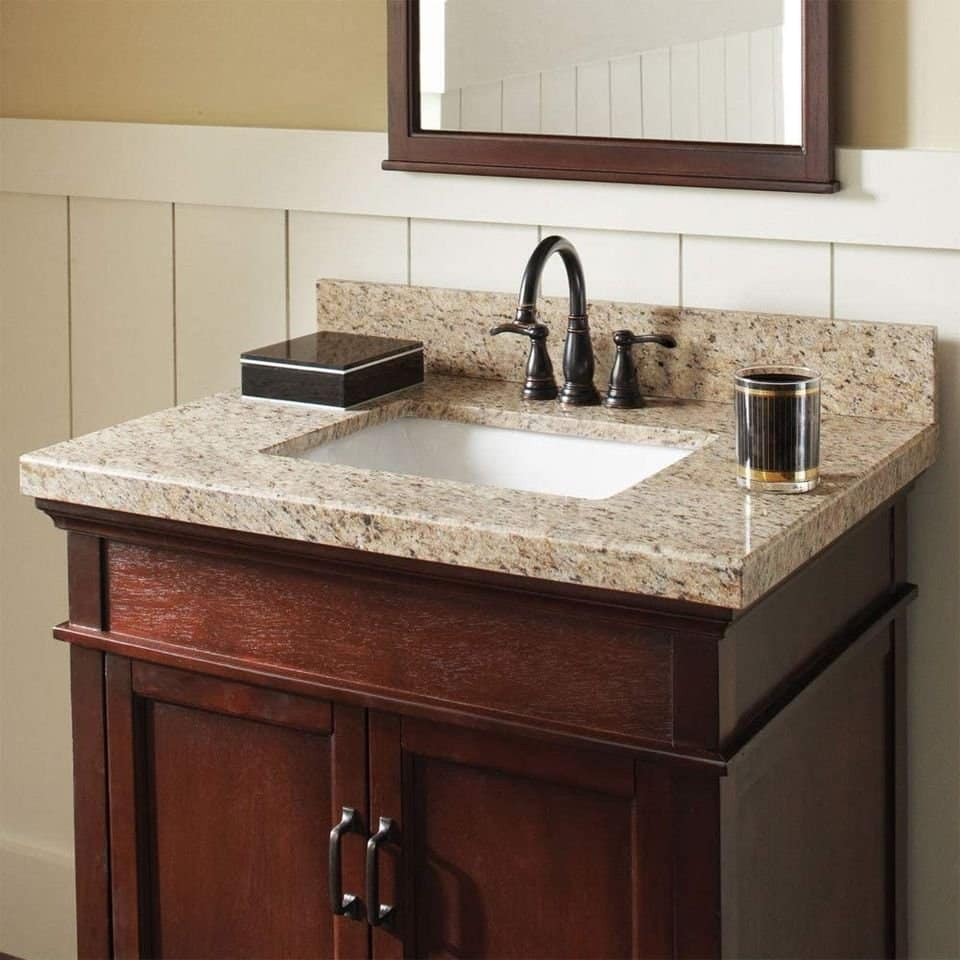
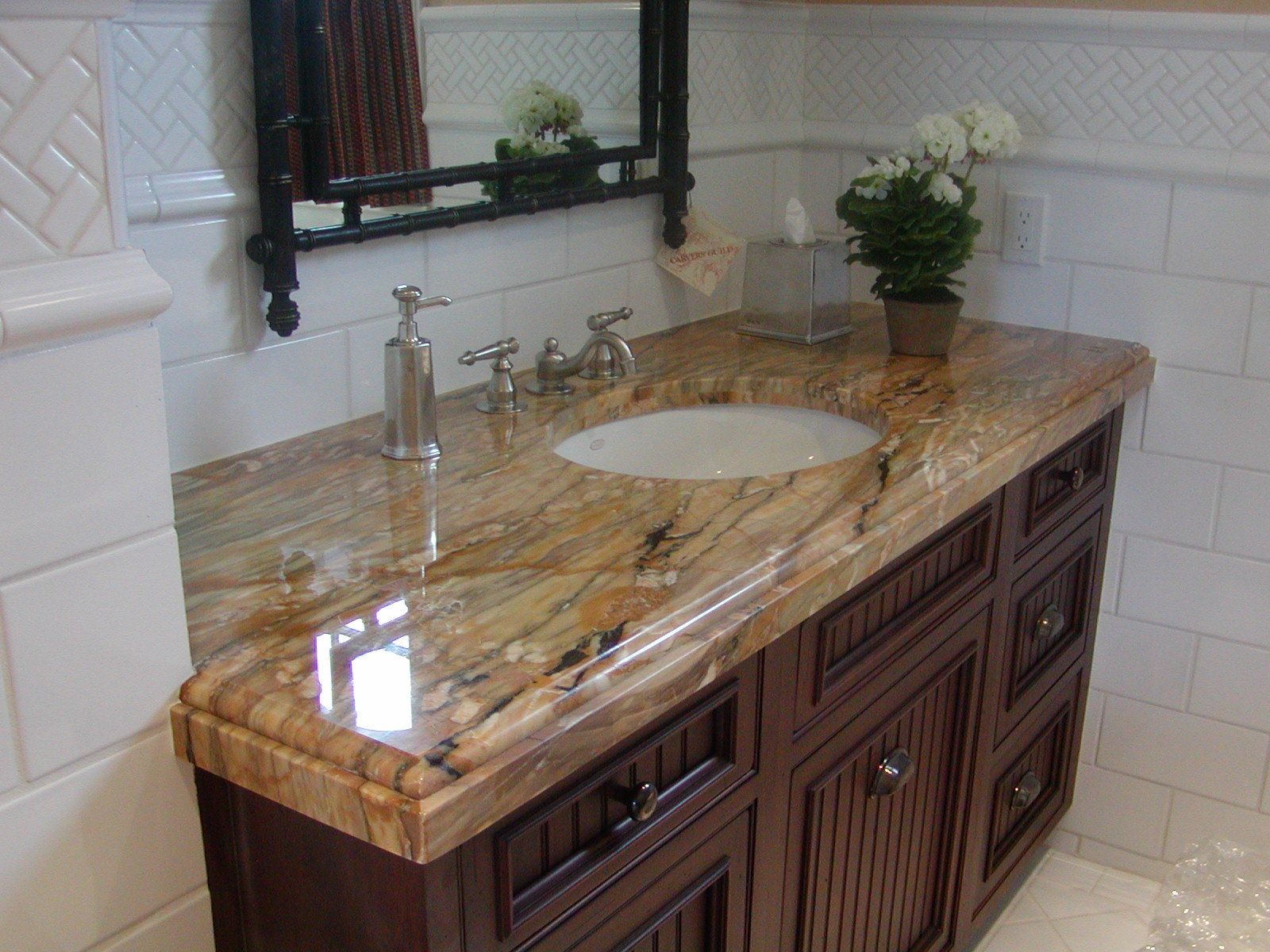
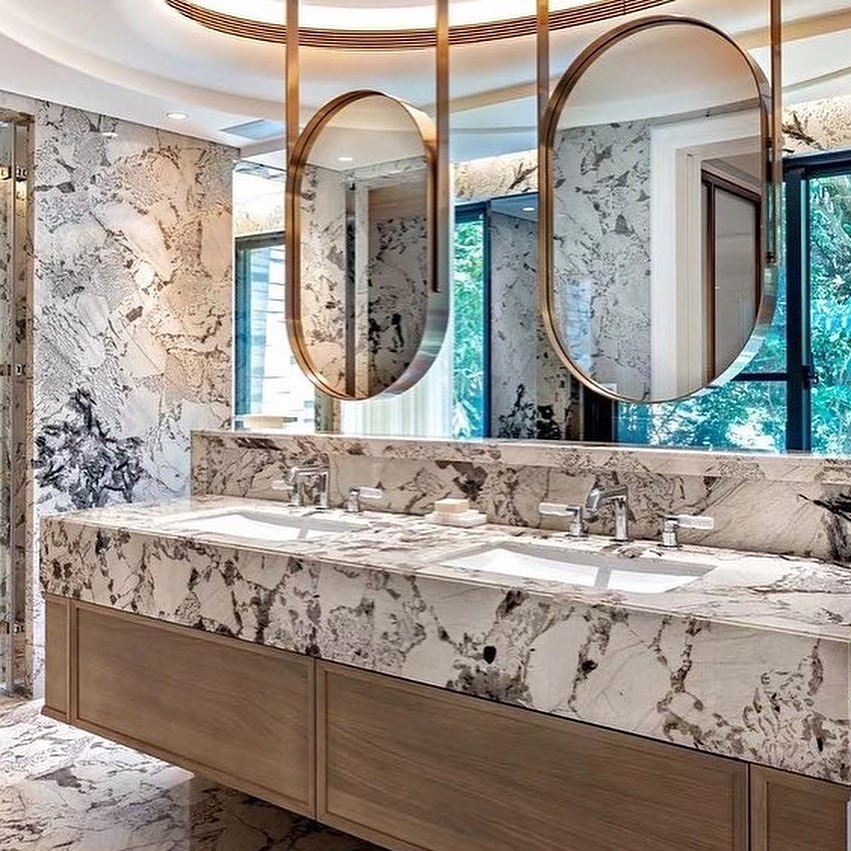
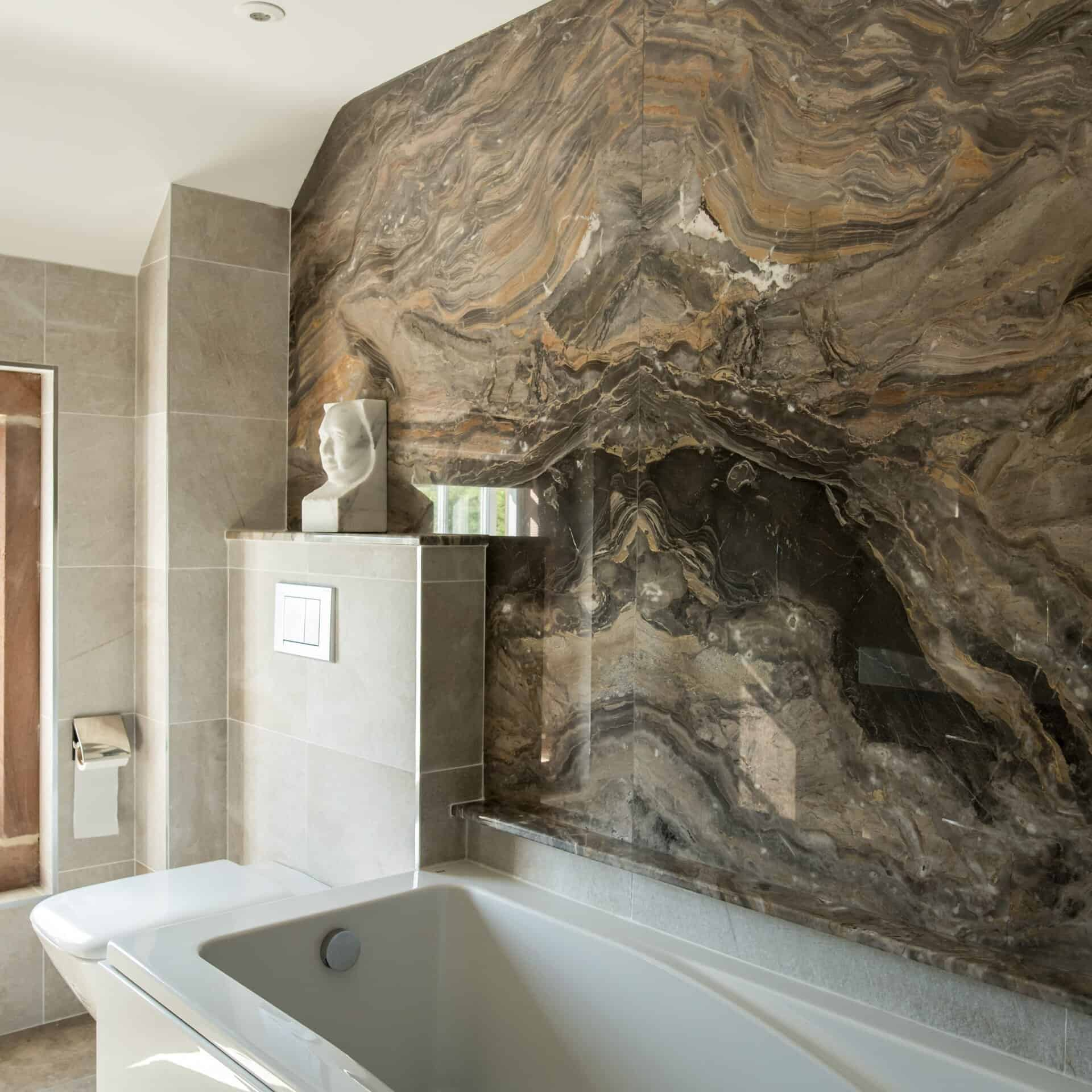
Materials are the backbone of bathroom design. They determine durability, maintenance requirements, and overall aesthetic impact. Stone surfaces like marble or granite offer timeless elegance, but they require regular sealing and can show water stains. Ceramic tiles are versatile and affordable, offering endless design options, though they might not feel as premium. Glass elements add lightness and openness, but they demand careful installation and regular cleaning. Wood brings warmth but requires special consideration for moisture exposure. The key is matching materials to your lifestyle. If you have young children, you might prioritize durability over luxury. If you entertain guests frequently, consider materials that hold up under heavy use. For example, a textured porcelain tile might be perfect for a family bathroom because it hides fingerprints and water marks better than glossy alternatives. Remember, the best material choice isn't always the most expensive one - it's the one that works best for your specific situation.
Layout Considerations That Matter
The layout of your bathroom determines how smoothly daily routines flow. Think about your morning routine - do you prefer to brush teeth before or after showering? Do you need space for a robe and slippers? These seemingly simple questions reveal deeper needs. In smaller spaces, consider using the "golden triangle" concept - positioning the toilet, sink, and shower in a way that allows easy access to all three areas. This arrangement minimizes walking distance and reduces congestion during busy times. For larger bathrooms, you can create distinct zones. Maybe a spa-like area with a soaking tub, and another section with a separate shower. The key is ensuring each zone serves its purpose clearly. Don't let the beauty of a large shower obscure the practical need for good drainage. And remember, even the smallest bathrooms benefit from thoughtful planning. A cleverly placed shelf can make a huge difference in usability.
Lighting Solutions for Every Moment
Lighting in a bathroom affects mood, visibility, and even safety. You need bright light for tasks like shaving or applying makeup, but softer lighting for relaxation. The best approach combines ambient, task, and accent lighting. Ambient lighting provides general illumination - think of overhead fixtures or recessed lights. Task lighting focuses on specific areas where you perform activities, like vanity lights above a mirror. Accent lighting highlights features like artwork or architectural details. Smart technology now allows you to adjust brightness and color temperature throughout the day. Some people prefer warm white light in the morning for alertness, and cooler tones in the evening for unwinding. A poorly lit bathroom can make even the most beautiful space feel cold and unwelcoming. It's not just about having enough light - it's about having the right kind of light for every moment.
Storage and Organization Secrets
Good storage is invisible when it works properly. You want to see beautiful things, not chaotic piles of towels and toiletries. Start with a clear plan for what goes where. Open shelving can showcase decorative items, but it requires regular tidying. Closed cabinets hide mess but can feel cramped if not designed properly. Consider multi-functional furniture pieces - a vanity with built-in drawers, or a medicine cabinet with integrated lighting. The golden rule is to keep frequently used items easily accessible. A bathroom with too much visible storage becomes overwhelming. Instead, use baskets, trays, and organizers to group similar items together. For example, store all hair products in one designated spot, and keep bath products in another. This system makes daily routines faster and less stressful. Remember, organization is not about perfection - it's about finding systems that work for your habits and lifestyle.
Small Space Solutions That Work
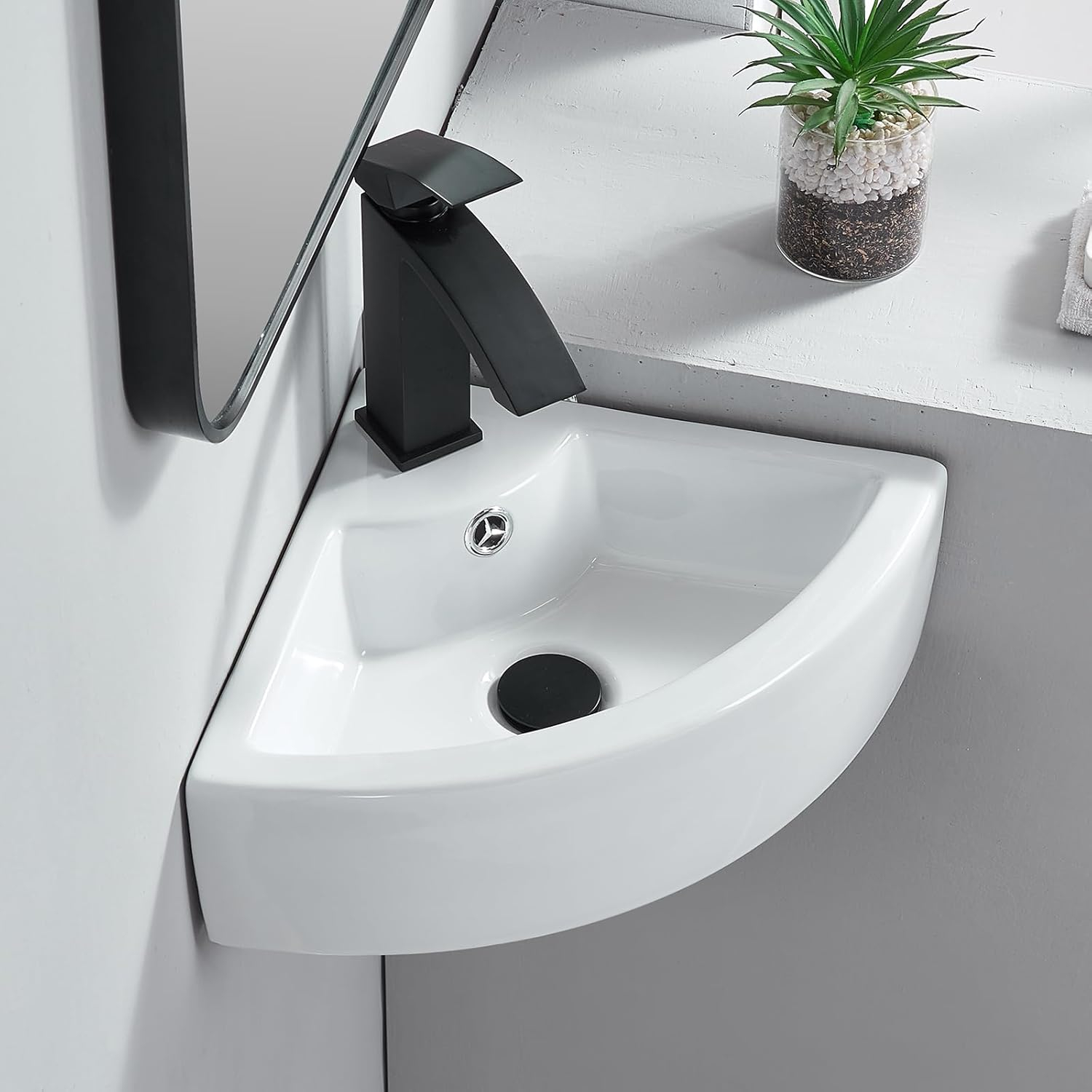
Many people assume that small bathrooms must sacrifice beauty for functionality. This couldn't be further from the truth. The secret lies in smart design choices. Mirrors are magic - they make walls appear farther away and naturally brighten the space. Choose a mirror that's larger than the sink area to maximize this effect. Vertical lines in tiles or paint can draw the eye upward, making ceilings seem higher. Floating vanities and wall-mounted toilets create a sense of openness. Opt for sleek, minimal fixtures rather than bulky ones. Light colors reflect light and make spaces feel bigger. A few carefully chosen decorative elements can transform a tiny bathroom into a serene retreat. Think about how you use the space. If you primarily need it for washing hands, focus on that area rather than trying to fit everything in. Sometimes less really is more, especially when it comes to small bathroom design.
Designing a bathroom that balances beauty and usefulness isn't rocket science, but it does require thoughtfulness and attention to detail. The key is starting with your actual needs and then layering in aesthetic elements that enhance rather than complicate those needs. Whether you're remodeling a decades-old space or designing a new bathroom from scratch, remember that every decision should serve both form and function. The most successful designs aren't those that simply look good, but those that make daily routines easier and more pleasant. A well-planned bathroom becomes more than just a room - it becomes part of your home's personality. It's a space where you can start your day feeling refreshed or end it feeling relaxed. That's the true art of bathroom design: creating a place that works beautifully for you, no matter what time of day it is.