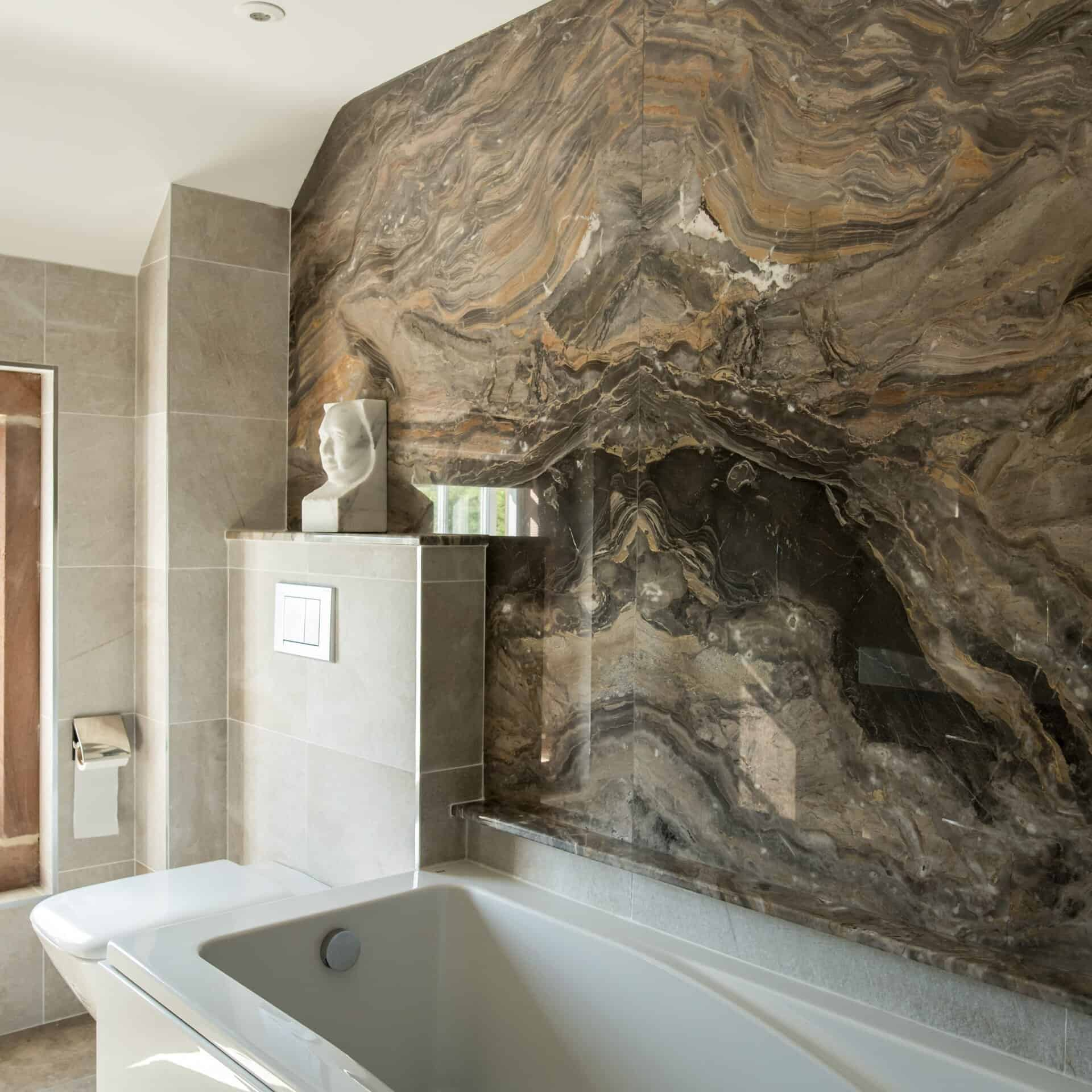
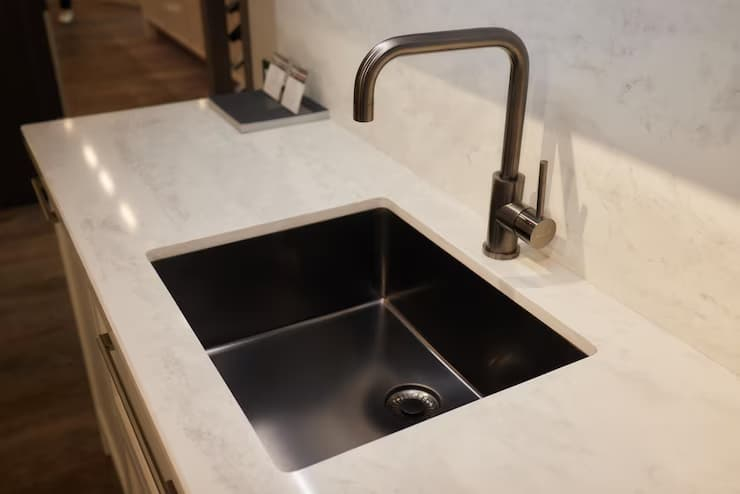
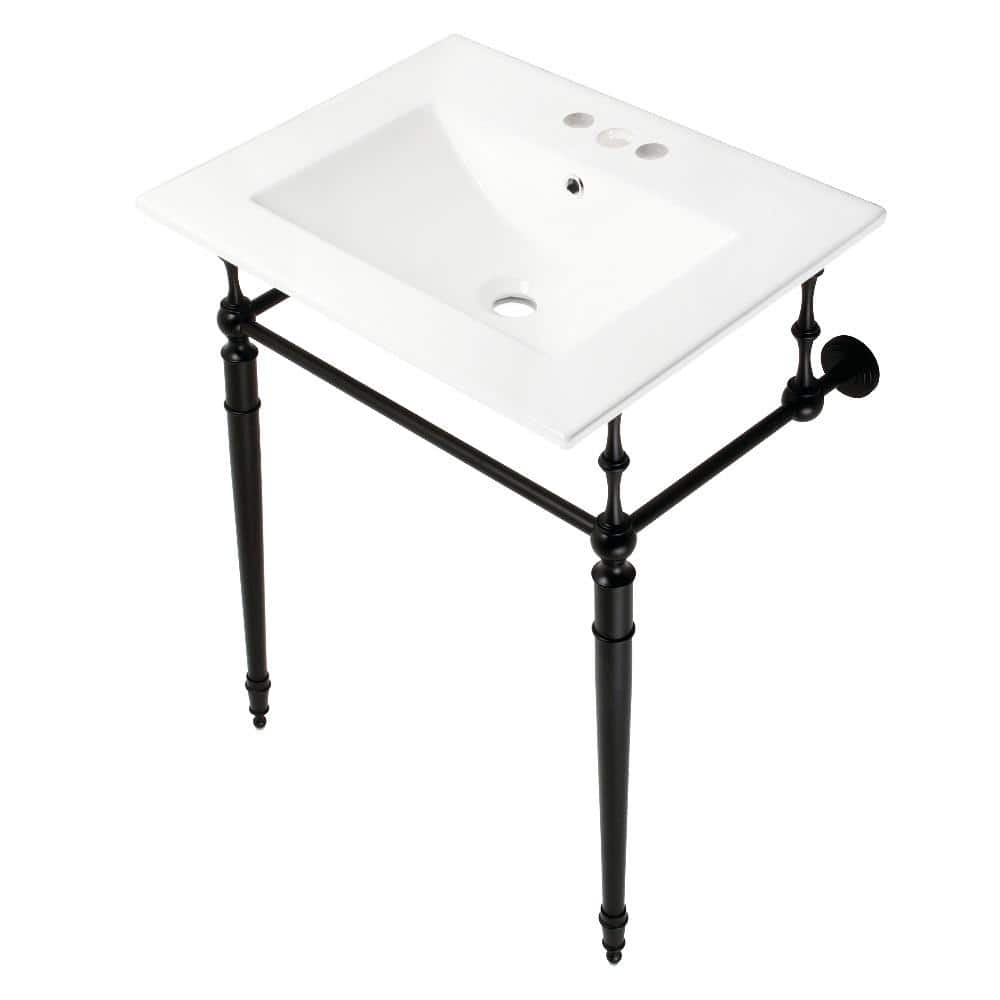
Imagine stepping into a bathroom where the walls whisper stories of craftsmanship and comfort. Light brown wood isn't just another design trend—it's a gentle revolution that brings warmth to spaces once dominated by cool tiles and stark fixtures. This natural element creates an immediate sense of sanctuary, making even the most utilitarian bathrooms feel like personal retreats.
Bathrooms have undergone quite a transformation over the past few decades. Gone are the days when these spaces were purely functional, filled with harsh lines and clinical materials. Today's homeowners are seeking balance between practicality and beauty. Enter light brown wood—a versatile material that bridges the gap between modern functionality and organic warmth. Whether you're renovating a vintage space or starting fresh with a contemporary design, light brown wood offers something special. It's not just about aesthetics; it's about creating environments where we feel truly relaxed and at home.
The Natural Appeal of Light Brown Wood
Light brown wood speaks to our innate connection with nature. Unlike the cold, sterile feel of concrete or metal, wood brings a tactile quality that invites touch and comfort. The warm undertones of light brown wood create visual harmony that's both soothing and energizing. Think of the difference between a bathroom with all-white surfaces versus one that incorporates light brown wood elements. The latter feels more inviting, less clinical, and more like a place where you'd want to spend time.
This wood species typically comes from various sources including oak, maple, and ash. Each type offers its own unique grain patterns and color variations. Oak provides rich, bold textures while maple offers smoother, more uniform surfaces. Ash brings a lighter, more open feel to any space. The subtle variations in each piece make every installation unique, adding character that mass-produced materials simply cannot match.
Creating Visual Balance and Depth
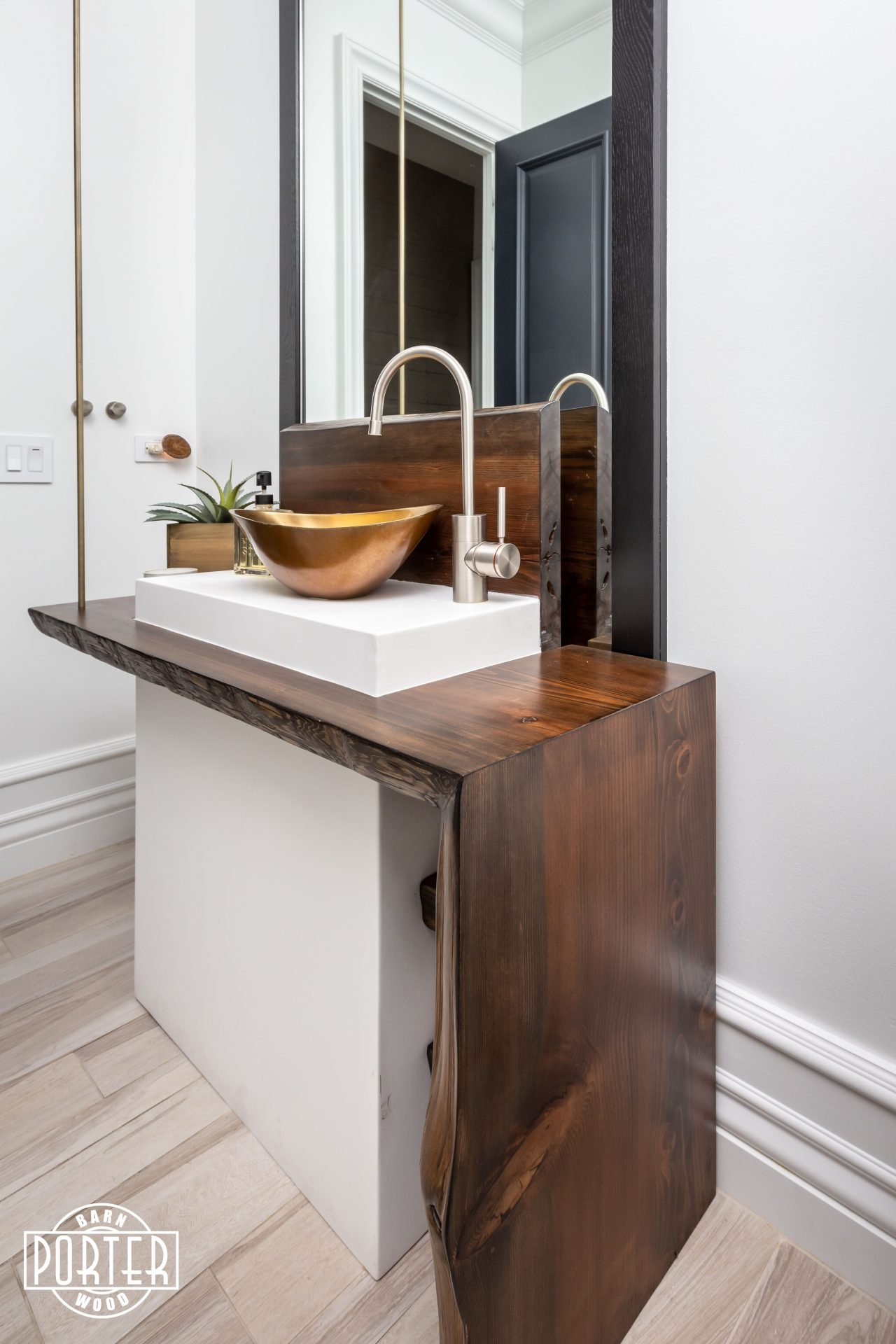
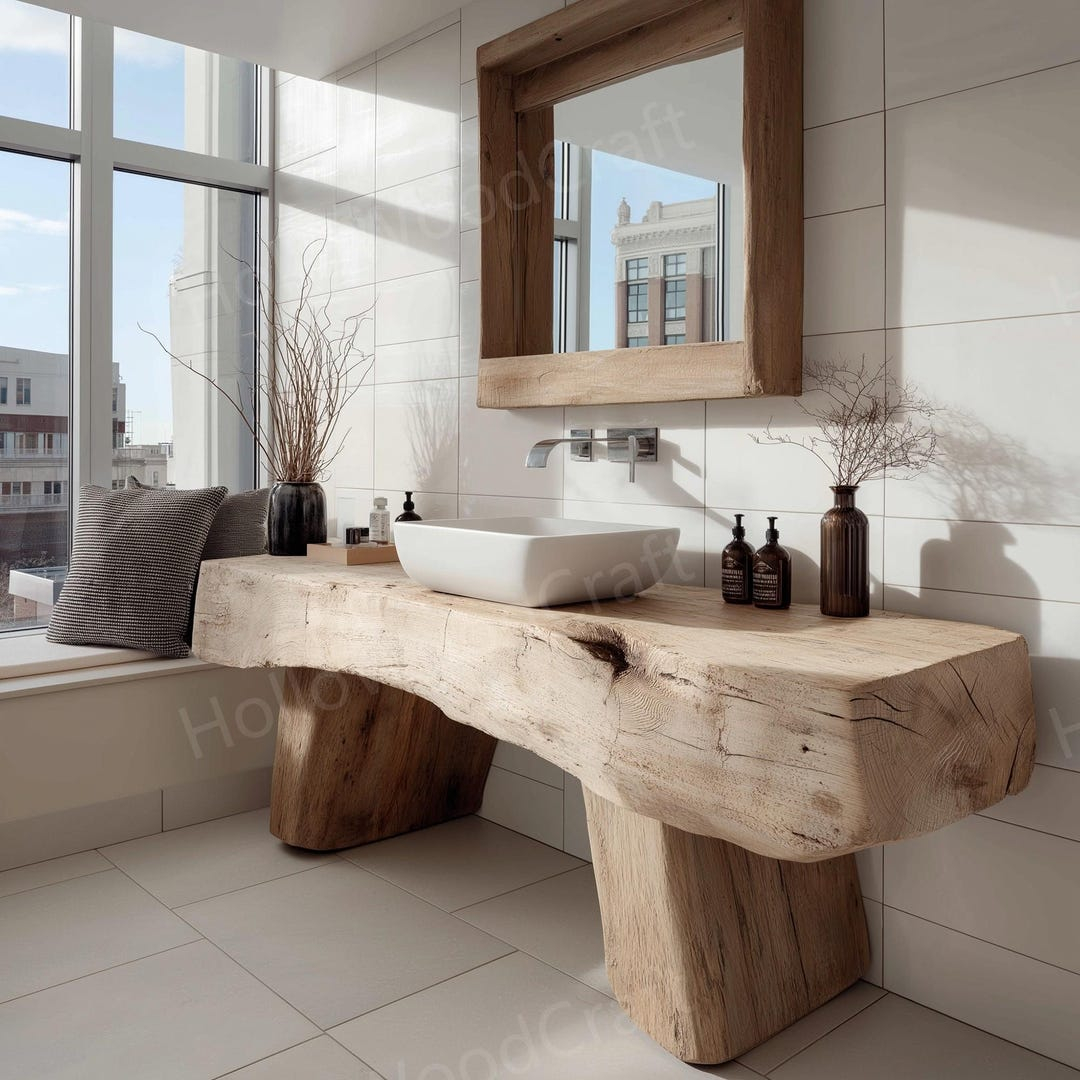
One of the most remarkable qualities of light brown wood is its ability to create depth and dimension in bathroom spaces. When used strategically, it can make small bathrooms feel larger and more spacious. Consider how a light brown wood vanity top can serve as a focal point, drawing the eye upward and creating a sense of vertical movement.
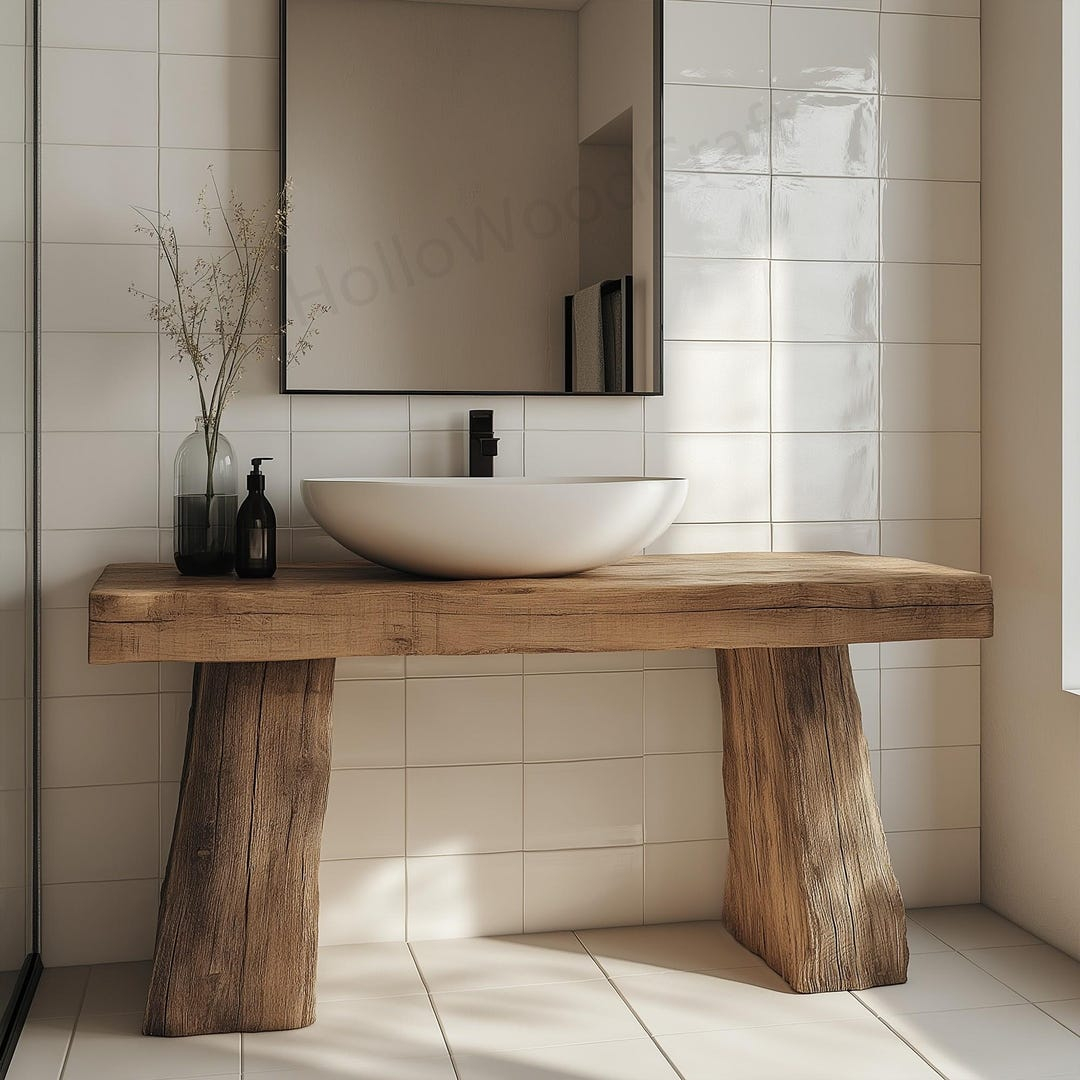
The key lies in understanding how light brown wood interacts with other materials. When paired with white tiles or crisp white fixtures, the wood acts as a bridge between warm and cool tones. It prevents the space from feeling too stark or too overwhelming. The contrast works beautifully, especially when you consider how natural wood ages gracefully over time.
Some designers recommend using light brown wood in accent areas rather than as the primary material. For instance, incorporating wood accents in a tiled bathroom through vanity tops, shelving, or decorative panels can create a sophisticated look without overwhelming the space.
Practical Benefits Beyond Aesthetics
While light brown wood certainly enhances beauty, it also offers practical advantages that make it ideal for bathroom environments. Moisture resistance varies by wood type, but many light brown woods perform well in humid conditions when properly treated and maintained. This makes them suitable for areas like vanities and shelving where water exposure is common.
The durability factor is significant too. Quality light brown wood can last decades with proper care, making it a wise investment. Unlike some synthetic materials that may fade or warp over time, good wood maintains its structural integrity and appearance. Many homeowners report that their wood bathroom features remain beautiful and functional even after ten or fifteen years.
Additionally, wood's natural insulating properties contribute to better temperature regulation in bathrooms. In colder climates, a light brown wood vanity can provide a warmer surface to touch compared to ceramic or stone surfaces.
Choosing the Right Wood for Your Space
Not all light brown woods are created equal, and selecting the right one depends on several factors:
• Budget considerations: Some woods like oak are more expensive than others such as maple or birch • Humidity levels: Certain woods handle moisture better than others • Maintenance requirements: Some woods need regular oiling or sealing • Design preferences: Different grain patterns suit different aesthetic goals
For bathroom applications, many professionals recommend hardwoods that have been properly sealed or finished. These treatments protect against moisture damage while preserving the wood's natural beauty. When shopping for wood, consider asking about treatment processes and warranty information. Also, note that light brown wood can vary significantly in color from batch to batch, so always request samples before finalizing your purchase.
Integration Strategies and Design Ideas
Incorporating light brown wood into bathroom design requires thoughtful planning and consideration of existing elements. Here are some effective approaches:
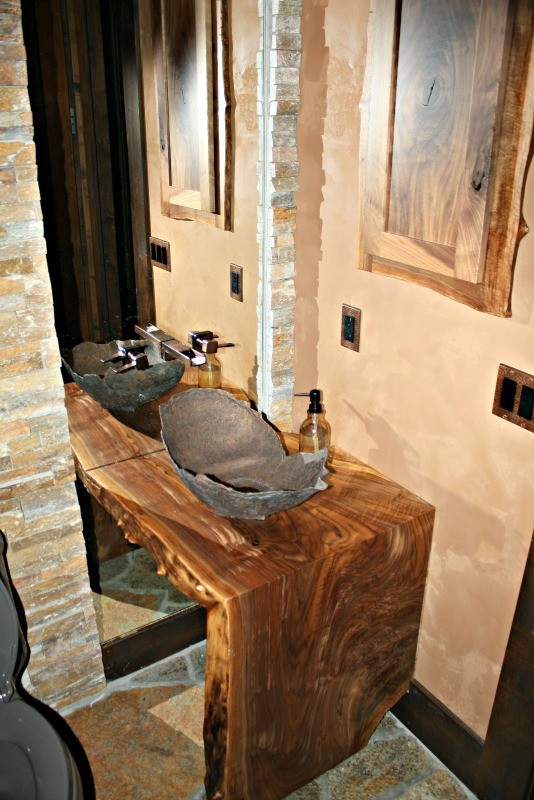
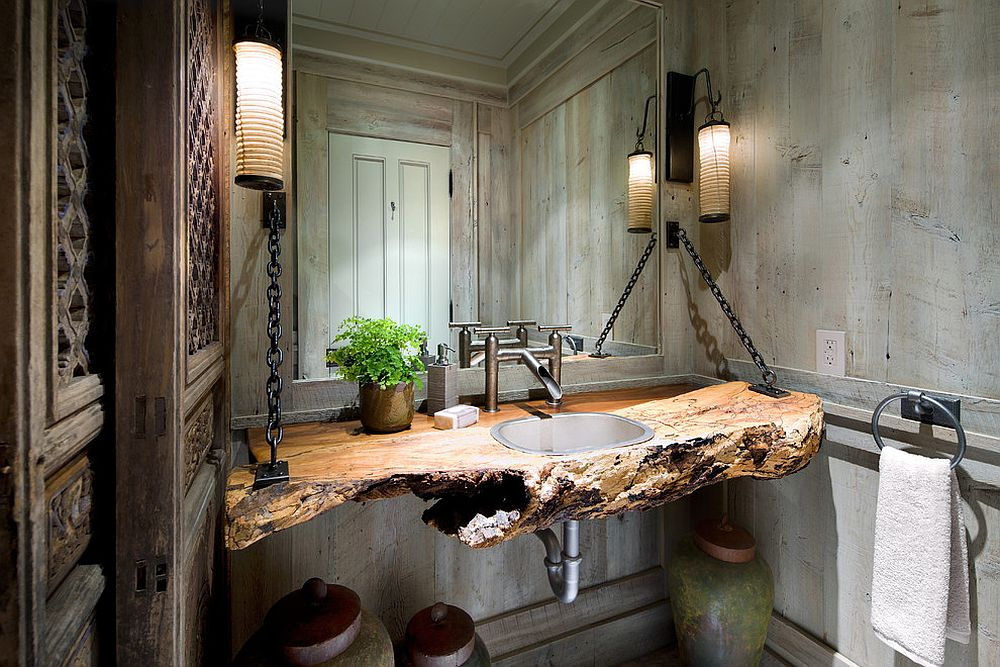
• Vanity tops: A light brown wood vanity top is one of the most popular choices. It combines functionality with visual appeal and can anchor the entire space • Shelving units: Floating shelves made from light brown wood add both storage and style • Accent walls: Using wood planks as accent walls creates dramatic visual interest • Trim and molding: Light brown wood trim around mirrors or windows adds architectural detail
Many designers suggest starting with smaller wood elements and gradually building up to larger installations. This approach allows you to test how the wood looks in your specific lighting conditions and overall design scheme. Lighting plays a crucial role in how wood appears, so consider testing samples under different light sources throughout the day.
Maintenance and Longevity Tips
Proper maintenance ensures that light brown wood continues to enhance your bathroom for years to come. Regular cleaning with appropriate products helps preserve the wood's appearance and prevent moisture buildup. Avoid harsh chemicals that might damage the finish.
Here are essential care practices:
• Clean regularly with mild soap and water • Apply protective finishes periodically as recommended • Wipe up spills immediately to prevent staining • Use coasters or trivets to protect the surface • Monitor humidity levels to prevent warping
Professional maintenance every few years can extend the life of wood features significantly. Many wood experts recommend consulting with professionals who specialize in wood restoration or finishing. They can assess your specific situation and recommend treatments tailored to your wood type and environmental conditions.
Light brown wood represents more than just a design choice—it's a commitment to creating spaces that nurture both body and soul. Its ability to combine warmth with durability makes it an excellent choice for bathroom renovations. Whether you're updating an old bathroom or designing a new one, consider how light brown wood can transform your space from merely functional to truly welcoming.
The key is understanding that this material works best when integrated thoughtfully into your overall design plan. Start small if you're unsure, and let the natural beauty of light brown wood guide your decisions. After all, there's something deeply satisfying about a bathroom that feels like a quiet sanctuary, where the gentle presence of wood reminds us of nature's enduring beauty. The investment in light brown wood pays dividends not just in aesthetics, but in daily enjoyment and long-term satisfaction with your living space.