Have you ever wondered why some acrylic materials seem to last forever while others fade, crack, or warp within months? There's a fascinating science behind the durability of royal reinforced acrylic that goes far beyond simple plastic chemistry. This isn't just about making things look good – it's about creating materials that stand the test of time.
When you think about materials that need to withstand daily wear, environmental stress, and constant use, royal reinforced acrylic often comes to mind. Whether it's in high-end furniture, automotive applications, or architectural features, this material consistently outperforms standard alternatives. But what exactly makes it so remarkably durable? The answer lies in a combination of molecular engineering, strategic reinforcement techniques, and decades of scientific refinement. Think of it like building a house – you wouldn't use regular cardboard for the foundation, right? Similarly, royal reinforced acrylic uses carefully selected components and manufacturing processes that create something far stronger than the sum of its parts.
Molecular Structure and Bonding Strength
At the heart of royal reinforced acrylic's longevity is its unique molecular structure. Unlike basic acrylic polymers that rely on simple chain molecules, this specialized version employs cross-linking technology. Picture it like creating a three-dimensional web instead of a simple chain. When molecules connect through cross-links, they form a network that's much harder to break apart. This means that even under pressure, heat, or UV exposure, the material maintains its integrity. The bonding between these molecular chains creates resistance against degradation that standard acrylic simply cannot match. It's like having a skeleton that's been reinforced with steel rather than just bone.
Reinforcement Technologies and Additives
Royal reinforced acrylic doesn't just rely on molecular structure alone. It incorporates various reinforcing agents that work together to enhance performance. These additives might include nano-sized particles, special stabilizers, or even mineral fillers. For instance, some formulations incorporate titanium dioxide nanoparticles that provide both strength and UV protection. Others might use glass fibers or carbon fibers embedded within the matrix. The key is that these reinforcements are strategically distributed throughout the material rather than just sitting on the surface. This approach ensures that every part of the product benefits from enhanced durability, not just the outer layer. Imagine a car body reinforced with steel ribs throughout, not just on the outside.
Environmental Resistance and Weathering Properties
One of the most impressive aspects of royal reinforced acrylic is how well it handles environmental challenges. Standard acrylic tends to yellow, become brittle, or lose its clarity when exposed to sunlight, moisture, or temperature fluctuations. Royal reinforced versions combat these issues through several mechanisms. Special UV stabilizers prevent the breakdown of polymer chains when exposed to ultraviolet radiation. Moisture barriers keep water from penetrating and weakening the material over time. Temperature resistance means the product won't warp or crack during extreme conditions. These properties combine to make royal reinforced acrylic suitable for outdoor applications where traditional plastics would fail within months. Think of it as a sunscreen for materials – protecting them from the sun's harmful rays while maintaining their structural integrity.
Mechanical Performance and Impact Resistance
Durability isn't just about resisting environmental factors – it's also about handling physical stress. Royal reinforced acrylic excels in impact resistance because of its reinforced molecular structure. When subjected to force or impact, the material can absorb energy and distribute it across its network of cross-linked molecules. This prevents cracks from forming and spreading quickly. You might notice this difference when comparing a regular acrylic sheet to a royal reinforced version in a demonstration. The reinforced version will often withstand drops, impacts, or pressure that would shatter ordinary acrylic. The reinforcement acts like shock absorbers throughout the material, allowing it to flex slightly without breaking. It's similar to how a suspension system in a car helps absorb bumps and vibrations.
Manufacturing Process and Quality Control
The way royal reinforced acrylic is made plays a crucial role in its longevity. Manufacturing involves precise temperature controls, controlled mixing of components, and rigorous quality checks at multiple stages. Every batch undergoes testing for consistency, strength, and performance characteristics. Some manufacturers use computer-controlled systems to ensure that each molecule is placed correctly and that the reinforcement agents are evenly distributed. This attention to detail during production directly translates to better performance in the final product. Think of it like a master craftsman who takes extra care with each step of their work rather than rushing through the process. The investment in proper manufacturing pays off in extended lifespan and reliability.
Real-World Applications and Longevity Evidence
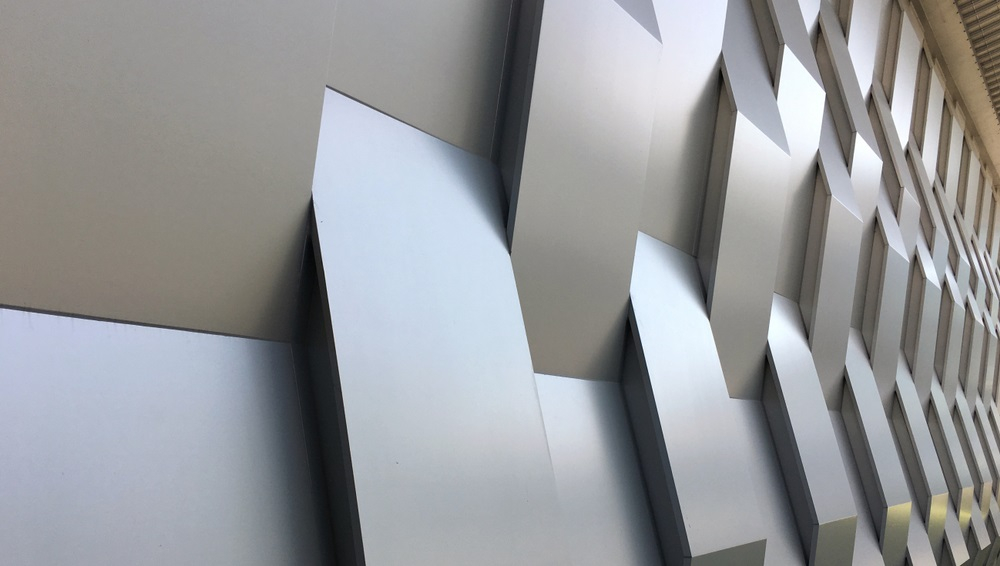
The true test of any material's durability comes from real-world usage. Royal reinforced acrylic has been used in numerous long-term projects that showcase its lasting qualities. In architecture, buildings with royal reinforced acrylic facades have maintained their appearance and structural integrity for decades. Automotive manufacturers use it for headlights, body panels, and interior components that must withstand years of daily use. Furniture makers appreciate its ability to resist scratches, fading, and general wear that would damage regular materials. Even in consumer electronics, where appearance matters greatly, royal reinforced acrylic keeps devices looking new for years. These applications demonstrate that the science behind the material works as intended, providing tangible evidence of its superior performance compared to conventional alternatives.
Royal reinforced acrylic represents a remarkable achievement in materials science that combines molecular engineering with practical application. Its exceptional longevity stems from a careful balance of chemical composition, reinforcement strategies, and manufacturing precision. While it may cost more upfront than standard acrylic, the long-term benefits in terms of reduced replacement costs, maintenance requirements, and overall performance make it a smart investment. Whether you're a designer choosing materials for a project, a manufacturer seeking durable solutions, or simply someone curious about why some products last longer than others, understanding the science behind royal reinforced acrylic reveals why it continues to be preferred in demanding applications. The next time you see something made with this material, remember that it's not just about aesthetics – it's about creating something that truly stands the test of time.