The journey of Odyssey 48 from its origins in classical literature to today's digital learning spaces reveals fascinating transformations in how we approach education. What began as a literary exploration has become something entirely new in our contemporary academic landscape.
When we think about Odyssey 48, most people picture ancient Greek mythology and epic storytelling. But in today's classrooms, this concept has taken on entirely new meanings. The evolution isn't just about updating old texts—it's about reimagining how knowledge is shared, experienced, and understood. This transformation touches every corner of modern education, from online platforms to interactive learning spaces. It's not just about preserving the past; it's about creating something fresh while honoring tradition. The story of Odyssey 48 in current academic settings is really about adaptation, innovation, and the timeless human desire to learn and grow.
Historical Foundations and Traditional Approaches
Odyssey 48 originally emerged from classical studies and ancient literature programs. These early implementations focused heavily on textual analysis, historical context, and traditional reading methods. Students would spend countless hours studying original manuscripts, translating passages, and examining the cultural significance of ancient narratives. The approach was methodical and often solitary, emphasizing deep reading and careful examination of primary sources.
This foundational period established core principles that still influence modern practices. The emphasis on critical thinking, attention to detail, and respect for historical context became fundamental elements. However, these traditional methods also revealed limitations—limited accessibility, narrow scope, and sometimes rigid structures that didn't accommodate diverse learning styles.
Consider how students once had to physically travel to archives or specialized libraries to access ancient texts. Today's learners can access these same materials instantly through digital platforms, yet they still grapple with the same fundamental questions that drove classical scholars: What does this text mean? Why does it matter? How does it connect to our lives?
Digital Integration and Technology Advancements
The digital revolution fundamentally changed how Odyssey 48 is taught and experienced. Online databases, virtual reality simulations, and multimedia presentations now supplement traditional textbooks. Students can explore ancient Greek landscapes through 3D modeling, interact with reconstructed artifacts, and even experience historical events through immersive technology.
These technological advances opened doors previously unimaginable. Virtual field trips allow students to walk through ancient Athenian marketplaces or witness the construction of the Parthenon. Interactive timelines show how various cultures influenced each other over centuries. Digital annotation tools let students collaborate on interpretations in real-time, creating dynamic discussions that transcend physical classroom boundaries.
But the integration hasn't been without challenges. Some educators worry about losing the tactile experience of handling original documents. Others question whether digital tools enhance or distract from deep learning. The balance between preserving traditional elements and embracing innovation remains an ongoing conversation among academics.
Inclusive Pedagogy and Diverse Perspectives
Modern academic settings have pushed Odyssey 48 toward more inclusive approaches. Rather than focusing solely on Western perspectives, contemporary curricula incorporate voices from multiple cultures, genders, and social backgrounds. This evolution recognizes that ancient stories were never truly universal—they reflected specific communities' experiences and beliefs.
Students now examine how different societies interpreted similar themes. They explore how women's roles in ancient literature differ across cultures, or how colonial perspectives have shaped our understanding of classical texts. This broader lens creates richer discussions and helps students see themselves reflected in historical narratives.
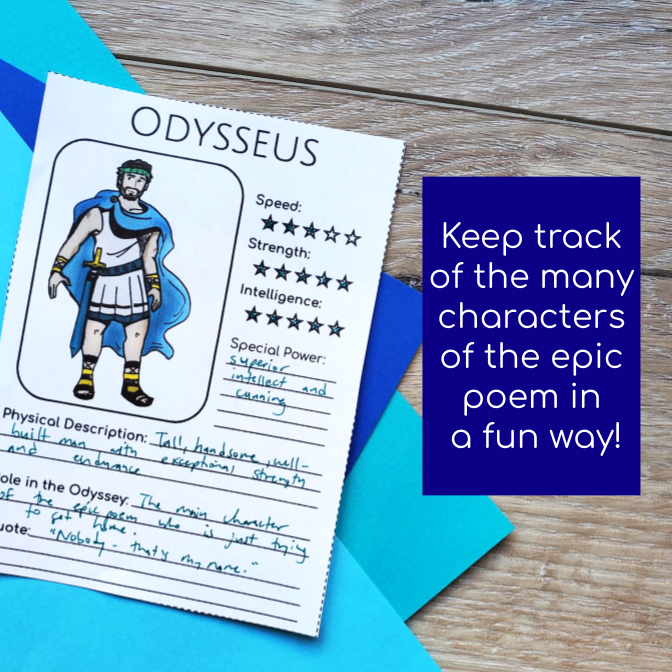
For example, instead of treating Odyssey as purely a male-centered adventure, modern approaches might examine how female characters like Penelope or Calypso shaped the narrative. Or how different civilizations viewed concepts of heroism, loyalty, and family relationships. These shifts make the material more relevant to diverse student populations and help break down traditional hierarchies in academic discourse.
Collaborative Learning Environments
The shift toward collaborative learning has transformed how Odyssey 48 concepts are explored. Group projects, peer review processes, and shared research initiatives now play central roles in modern academic settings. Students work together to analyze texts, create multimedia presentations, or develop new interpretations of classic narratives.
This approach mirrors how knowledge is created and shared in today's world. Just as modern scholars collaborate across disciplines and borders, students engage in similar processes. They might team up with peers from different cultural backgrounds to examine how stories evolve through translation and interpretation.
One particularly effective method involves creating modern adaptations of classical stories. Students might write contemporary versions of Odyssey 48 tales, exploring how ancient themes translate to current issues like migration, identity, or social justice. These projects demonstrate both creative expression and deep analytical thinking.
The collaborative model also addresses different learning preferences. Visual learners benefit from group presentations, while kinesthetic learners might excel at hands-on activities like costume design or set creation for dramatic readings.
Assessment Methods and Evaluation Systems
Traditional testing methods have given way to more creative and comprehensive evaluation systems. Instead of relying solely on essay exams or standardized tests, modern Odyssey 48 courses use portfolios, presentations, peer assessments, and project-based evaluations.
Students might create documentary-style videos exploring ancient civilizations, design interactive websites showcasing archaeological discoveries, or produce podcasts discussing philosophical themes from classical texts. These alternative assessment methods better reflect real-world applications of learning and allow students to demonstrate their understanding in ways that suit their strengths.
This shift also emphasizes process over product. Rather than focusing only on final outcomes, educators now value the journey of discovery. Students document their research process, reflect on their evolving understanding, and explain how their perspectives have changed. This approach builds metacognitive skills and encourages deeper engagement with the material.
Some institutions have introduced competency-based grading systems that focus on mastery rather than grades. Students must demonstrate specific skills and knowledge areas before advancing, creating more personalized learning paths that accommodate different paces and learning styles.
Global Connectivity and Cross-Cultural Exchange
Today's academic environment has made Odyssey 48 truly global. Students can connect directly with peers in other countries, participate in international research projects, and access resources from libraries and universities worldwide. This connectivity has enriched the learning experience immeasurably.
Virtual exchanges allow students to study with partners in Greece, Italy, Egypt, or other locations relevant to their studies. They might participate in joint research projects examining archaeological sites, collaborate on translations of ancient texts, or share cultural perspectives on how classical themes resonate in different contexts.
These connections have revealed surprising commonalities and unique differences across cultures. For instance, students in Japan might share insights about how classical themes appear in modern anime, while students in Latin America could discuss how indigenous storytelling traditions relate to Greek epic poetry. Such cross-cultural dialogues add layers of meaning that single-culture approaches simply cannot provide.
The internet has also enabled unprecedented access to primary sources. Students can now view original manuscripts, ancient inscriptions, and archaeological photographs that were once restricted to specialists in major institutions. This democratization of access has made classical studies more inclusive and accessible to broader audiences.
The evolution of Odyssey 48 in contemporary academic settings represents more than just updating old methods—it's about creating meaningful connections between ancient wisdom and modern needs. From traditional text analysis to digital exploration, from individual study to global collaboration, this transformation reflects our society's growing understanding of how people learn best. The journey shows us that while the core values of curiosity, critical thinking, and respect for knowledge remain unchanged, the ways we pursue these goals continue to evolve. As we move forward, the challenge will be maintaining the essence of what makes Odyssey 48 valuable while continuing to adapt to new technologies, changing demographics, and emerging educational theories. Whether through virtual reality experiences or collaborative global projects, the spirit of exploration and discovery that defines Odyssey 48 continues to inspire new generations of learners. The future promises even more exciting possibilities for how we can bridge the gap between ancient wisdom and contemporary understanding. This evolution isn't about abandoning the past; it's about ensuring that ancient knowledge remains vital and relevant for all learners, everywhere.

![Unlock The Hidden Power Within You [John Assaraf/Free Ebook] regarding Odyssey, 48](https://cdn.buildsimplehouse.com/2025/12/unlock-the-hidden-power-within-you-john-assaraf-free-ebook-regarding-odyssey-48.png)