Think about the last time you walked into a room and instantly felt more confident, more spacious, or just... better. What made that difference? Often, it's the subtle interplay between mirrors and lighting. These two elements work together like partners in a dance, creating harmony that transforms any space. But how do you get it right? The secret isn't just in choosing pretty things. It's understanding how light bounces off reflective surfaces and how those reflections can either enhance or undermine your space's functionality.
When we think about designing a room, we often focus on furniture, colors, and textures. But there's a hidden magic happening in the way light moves through a space and interacts with reflective surfaces. This is especially true when we talk about mirrors and lighting working together. It's not just about making things look bigger or brighter – though those are nice side effects. The real power lies in creating functional spaces that serve us better. Whether you're trying to maximize natural light in a small apartment or create a dramatic focal point in a living room, understanding how mirrors and lights interact can completely change your approach to interior design. Imagine walking into a room where everything feels perfectly balanced, where shadows aren't harsh and glare isn't an issue, where you can see yourself clearly without feeling overwhelmed. That's the result of thoughtful mirror placement and lighting integration.
Understanding Light Behavior with Reflective Surfaces
Before we dive into placement strategies, we need to understand how light behaves when it hits a mirror. Light travels in straight lines until it encounters a surface. When light hits a mirror, it bounces off at the same angle it came in, following what we call the law of reflection. This means if you shine a light at a mirror at a 45-degree angle, it will reflect at a 45-degree angle too. Simple, right? But here's where it gets interesting. When you have multiple mirrors in a space, light can bounce around in complex ways, creating layers of illumination that can dramatically change how a room feels. A single mirror can redirect light to fill dark corners, while a strategically placed mirror can make a narrow hallway feel wide and welcoming. This is why it's crucial to consider not just where you place a mirror, but also how light will interact with it throughout the day. Morning sun might create a different effect than evening lamp light, and both can be used to your advantage. The key is understanding that mirrors don't just reflect what's in front of them – they reflect the quality of light that hits them. If you have a bright, cool light source, you'll get a crisp reflection. If you have a warm, soft light, you'll get a more gentle reflection. This subtle difference can change the entire mood of a space.
The Psychology of Reflection and Space Perception
There's something deeply psychological about how mirrors affect our perception of space. When we see ourselves reflected in a mirror, our brains process that image in a way that can make us feel larger or smaller, more confident or more uncertain. This happens because our brains are constantly comparing what we see with what we expect to see. A large mirror can make a small room feel more expansive, but only if it's positioned correctly. The reflection needs to draw the eye outward rather than inward. It's like looking through a window that shows a bigger version of your current space. But here's the tricky part – mirrors can also make a room feel cluttered or chaotic if they're placed incorrectly. If a mirror reflects a messy corner or an ugly wall, it will make that problem seem even worse. This is why it's important to consider not just what's in front of the mirror, but what's behind it too. A mirror that reflects the back of a couch might make that area feel less appealing. The psychology of mirrors goes deeper than just visual size. They can influence our mood, our confidence, and even how we move through a space. When you're standing in front of a mirror, you're not just seeing yourself – you're seeing a version of yourself that's been processed through the lens of reflection. This can either boost your self-esteem or make you feel awkward, depending on how the space is arranged. Think about how different it feels to stand in front of a mirror in a well-lit, clean bathroom versus one that's dimly lit and cluttered. The difference isn't just about cleanliness – it's about how the reflection makes you feel.
Strategic Mirror Placement for Different Room Types
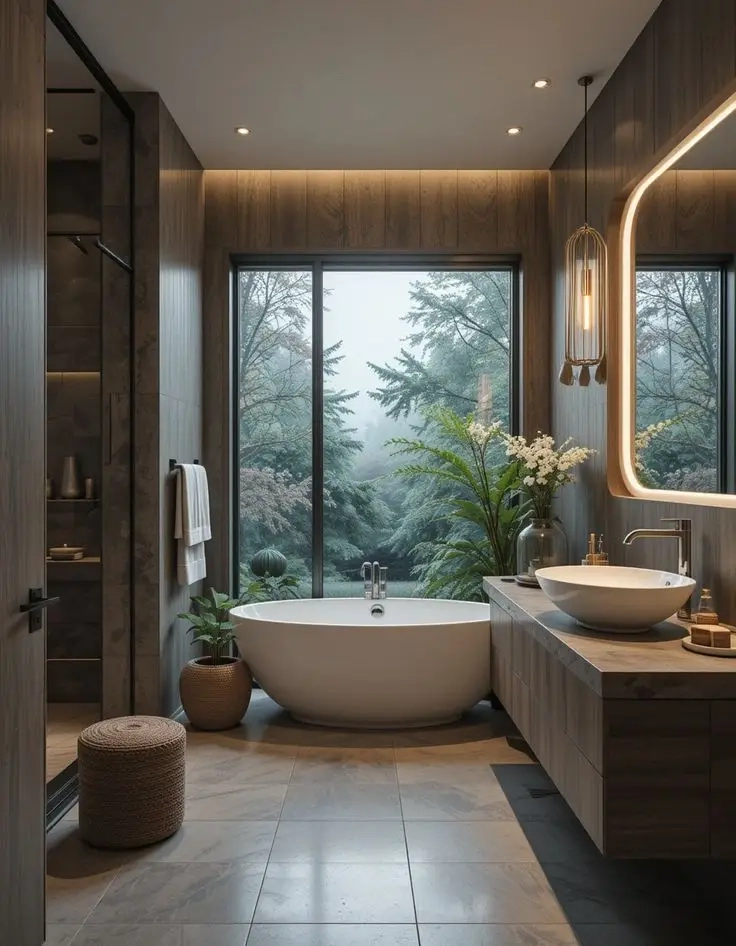
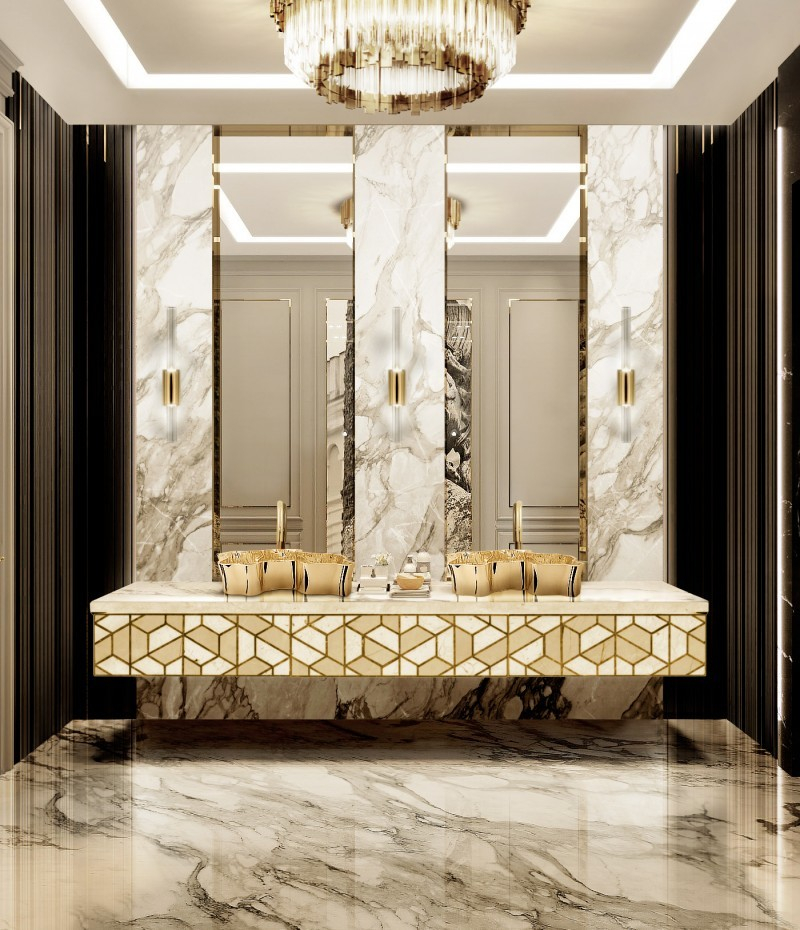
Every room has its own unique challenges and opportunities when it comes to mirror placement. In bedrooms, mirrors can be powerful tools for creating the illusion of more space, but they must be positioned carefully. A mirror above a dresser can make a small bedroom feel more spacious, but it shouldn't reflect the bed itself, as that can make sleeping feel like a performance. In bathrooms, mirrors are essential for functionality, but they should be placed to avoid glare and ensure good lighting coverage. The best position is usually at eye level or slightly above, so you can see yourself clearly without straining your neck. Living rooms offer perhaps the most creative opportunities for mirror placement. Here, mirrors can serve as focal points, art pieces, or simply functional elements that enhance the lighting. A large mirror on the wall opposite a window can double the amount of natural light entering the room. Kitchens benefit from mirrors that reflect the sink area or cooking zone, helping to brighten dark corners and make the space feel more open. The key principle across all rooms is to avoid placing mirrors directly opposite windows or light sources in a way that creates harsh reflections or unwanted glare. For example, a mirror that reflects a bright window during the afternoon might create an overly bright spot that's uncomfortable to look at. Instead, try angling the mirror slightly so it catches the light at a gentler angle. This simple adjustment can make a huge difference in how comfortable the space feels throughout the day.
Lighting Design Principles for Mirror Integration
Good lighting design is about more than just having enough light. It's about creating layers of illumination that work together to make a space feel comfortable and functional. When you integrate mirrors into this design, you're adding another dimension to the lighting equation. The first thing to consider is the type of lighting you want to use. Natural light is always preferred, but it's not always available or consistent. Artificial lighting needs to complement and enhance what natural light does. Task lighting, ambient lighting, and accent lighting all have roles to play. When a mirror is positioned to reflect artificial light sources, it can dramatically increase the effectiveness of your lighting system. For instance, a mirror that reflects overhead lighting can make a room feel much brighter than it actually is. This is particularly useful in spaces where you want to avoid harsh, direct lighting. Instead of having a single bright light fixture, you can use a mirror to spread the light around the room more evenly. The color temperature of your lighting matters too. Cool white light (around 4000K) works well for mirrors because it creates a crisp, clear reflection. Warm white light (around 3000K) gives a softer, more inviting reflection. You might want to use cool light for bathroom mirrors where clarity is important, and warm light for living room mirrors where comfort takes precedence. Remember that mirrors can also act as light diffusers. A large mirror placed near a window can spread natural light throughout a room, reducing the need for artificial lighting during daylight hours. This not only saves energy but also creates a more pleasant environment.
Common Mistakes in Mirror and Lighting Integration
Even experienced designers sometimes fall into common traps when combining mirrors and lighting. One frequent mistake is placing mirrors in positions that create unwanted glare. This often happens when a mirror reflects a bright light source directly into someone's eyes. It's easy to think that more light is better, but sometimes less is more. Another common error is not considering how lighting changes throughout the day. A mirror that looks great in the morning might create problems in the evening when the light source has shifted. The positioning needs to account for these variations. Some people also forget to consider the surrounding environment when placing mirrors. A mirror that reflects a view of a busy street might be distracting, while one that reflects a peaceful garden can be calming. Another mistake is using mirrors that are too large or too small for their space. A mirror that's disproportionately large can overwhelm a small room, while one that's too small might not provide enough visual impact. It's also important to avoid placing mirrors in areas where they might be easily damaged or where they could become safety hazards. For example, a mirror in a high-traffic area might be prone to scratches or chips, and a mirror placed at a low height might pose a risk to children. The goal is to find a balance between aesthetics and practicality that works for your specific situation. Sometimes the most obvious solution isn't the best one, and it's worth stepping back to evaluate whether a mirror is truly enhancing the space or just creating new problems.
Practical Tips for Optimizing Your Mirror-Lighting Setup
Here are some actionable strategies that anyone can implement immediately. First, always test your setup with a flashlight or phone light to see how reflections behave at different times of day. This helps you understand exactly how light will interact with your mirror. Second, consider using adjustable mirrors or mirror frames that allow you to fine-tune the angle. This flexibility is invaluable for adapting to changing light conditions. Third, pay attention to the frame of your mirror – a dark frame can absorb light and reduce the mirror's effectiveness, while a lighter frame can help diffuse light. Fourth, think about layering different types of lighting. Combine overhead lights with table lamps and floor lamps to create a more dynamic environment. Fifth, use mirrors to highlight interesting architectural features in your space. A mirror that reflects a beautiful ceiling detail or an interesting wall texture can add visual interest. Sixth, consider the scale of your mirrors relative to the space. A small mirror in a large room won't have the same impact as a large mirror in a small room. Finally, don't overlook the importance of regular cleaning. A dirty mirror will reflect poorly and can actually make a space feel darker. Clean your mirrors regularly to ensure they're performing at their best. The key is to experiment and observe. Try different angles, different lighting combinations, and different placements. Pay attention to how these changes affect your daily routine and your emotional response to the space. The best mirror-lighting integration is the one that enhances your life, not complicates it.
Advanced Techniques for Professional-Level Integration
For those looking to take their mirror-lighting integration to the next level, there are several sophisticated approaches worth exploring. Smart lighting systems can automatically adjust brightness and color temperature based on the time of day and occupancy. When combined with mirrors, these systems can create seamless transitions throughout the day. Some designers now use programmable mirrors that can adjust their reflectivity based on environmental conditions. These mirrors can become more or less reflective depending on the amount of natural light available, optimizing the lighting experience continuously. Another advanced technique involves using multiple mirrors in strategic positions to create a kind of optical tunnel effect. This can make narrow spaces feel wider and more inviting. The key is to plan these arrangements carefully, considering how light will travel through the space and how the mirrors will work together. Some architects now incorporate mirrors into the building structure itself, using reflective surfaces to channel light deep into buildings where it might otherwise never reach. This is particularly effective in urban environments where buildings block natural light. Using specialized reflective materials can also enhance the integration. These materials can be designed to reflect specific wavelengths of light, creating targeted lighting effects that would be impossible with standard mirrors. The possibilities are endless when you start thinking beyond traditional mirror applications. It's all about understanding that mirrors are not just decorative elements, but powerful tools for manipulating light and space.
The relationship between mirrors and lighting isn't just about aesthetics – it's about creating spaces that truly serve us. When you understand how light bounces off reflective surfaces and how mirrors can amplify or soften that light, you gain the ability to transform any room into something that feels more comfortable, more functional, and more beautiful. The key isn't perfection – it's experimentation and observation. Try different placements, different lighting setups, and see how they affect your daily life. Pay attention to how the light changes throughout the day and how that affects your mood and activities. Remember that the goal is to create harmony, not just visual impact. A well-placed mirror with thoughtful lighting integration can make you feel more confident, more spacious, and more connected to your environment. It's a subtle form of magic that works every single day, quietly improving your life without you even realizing it. The next time you walk into a room, take a moment to notice how the mirrors and lights work together. You might be surprised by what you discover. The most important lesson here is that there's no one-size-fits-all approach. Every space is unique, and every person has different needs and preferences. The best mirror-lighting integration is the one that fits your specific situation and enhances your personal experience of the space. So go ahead, experiment, and let the light and reflection do their work. You might be amazed at what happens when you give these elements the attention they deserve.