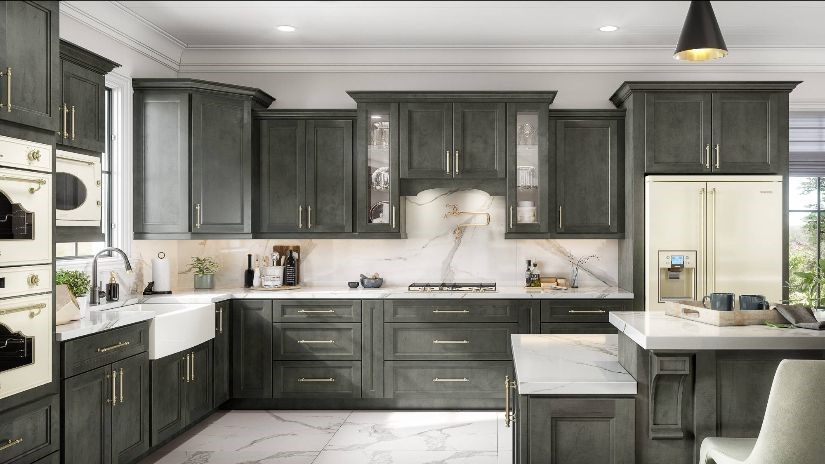
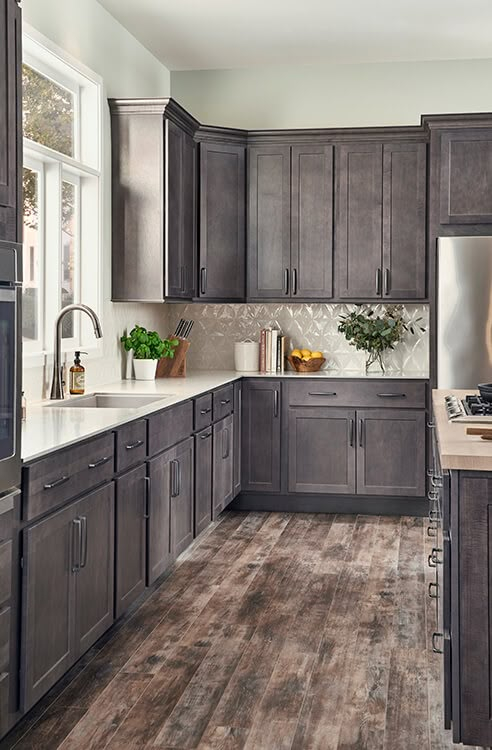
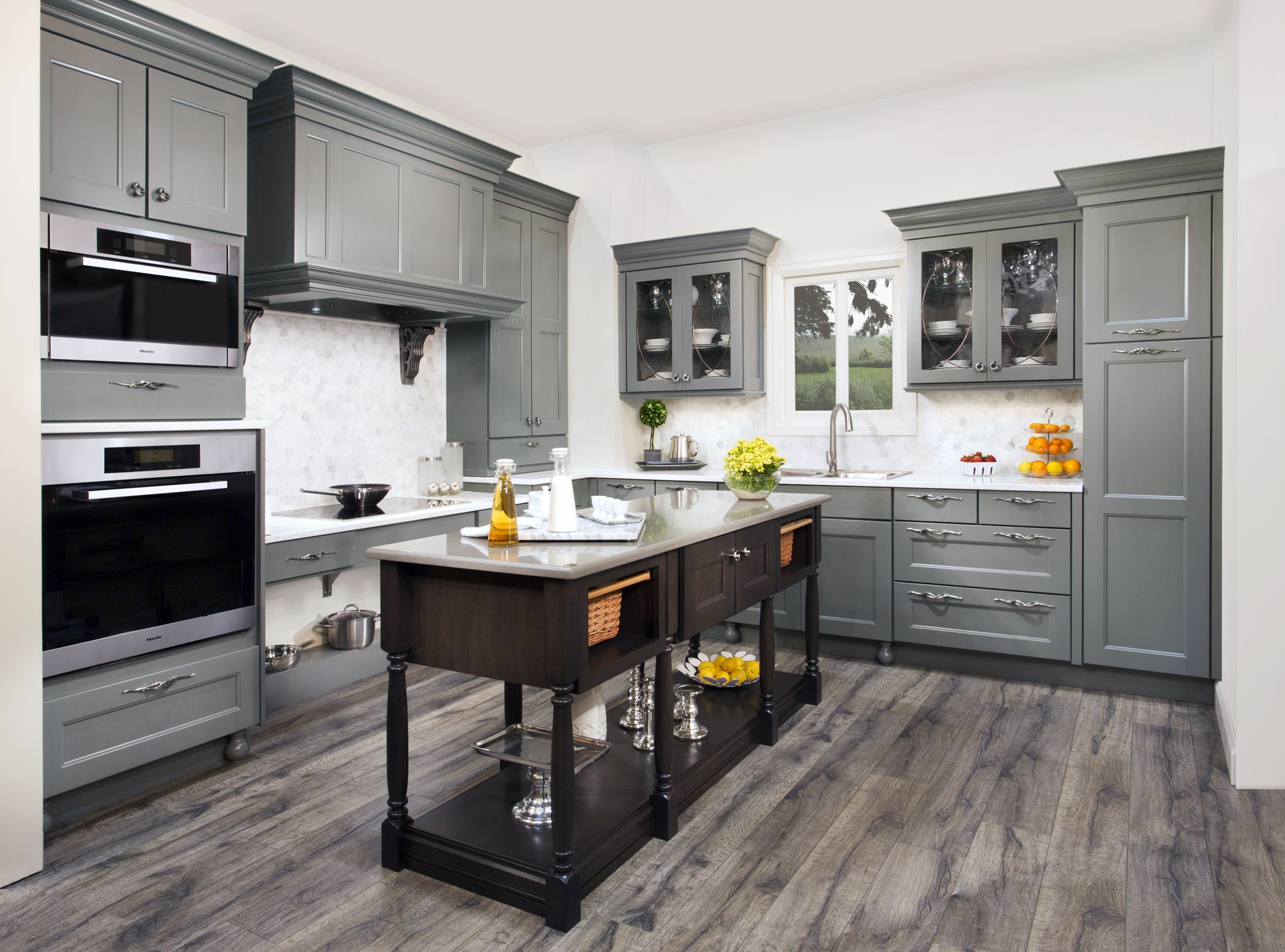
Every time you open a cabinet door, you're not just accessing storage space—you're experiencing the culmination of countless hours of skilled craftsmanship. The Odyssey 30 inch gray cabinet series stands as a testament to how thoughtful design and traditional techniques can create something truly special. What makes these cabinets more than just functional furniture? It's the careful attention to detail, the materials chosen, and the stories each piece tells.
In the world of cabinetry, there's a difference between something that simply holds things and something that elevates the entire experience of using a kitchen or bathroom. The Odyssey 30 inch gray cabinet series represents that distinction. These aren't just any cabinets—they're the result of decades of accumulated knowledge, refined techniques, and an unwavering commitment to quality. Whether you're a homeowner planning a renovation or someone who appreciates fine craftsmanship, understanding what goes into creating these pieces can help you better appreciate their value. The journey from raw materials to finished product involves multiple stages, each requiring specific skills and careful consideration.
The Foundation: Material Selection and Preparation
The story begins long before any wood hits the saw. The choice of materials sets the foundation for everything that follows. For Odyssey's gray cabinets, premium hardwoods form the backbone—oak, maple, and cherry are common choices, each offering distinct characteristics that influence both appearance and durability. The gray finish itself isn't just paint or stain—it's a carefully formulated blend designed to complement modern aesthetics while maintaining the warmth of natural wood grain. Quality control starts at this stage, with each piece of lumber undergoing inspection for defects, moisture content, and structural integrity. A single flawed board could compromise the entire cabinet's stability, so attention to detail here is paramount. The preparation process includes kiln-drying to achieve optimal moisture levels, planing to ensure smooth surfaces, and precise cutting to exact specifications. This initial phase alone can take several days per cabinet, depending on complexity and customizations requested.
Precision Engineering and Design Philosophy
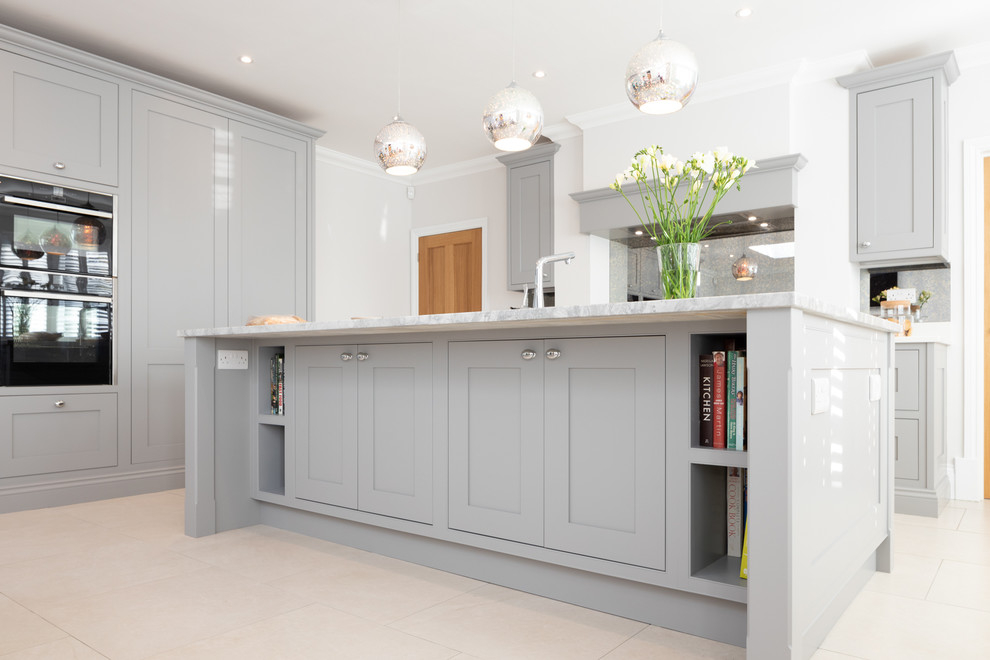
What happens after the materials arrive? The design phase begins in earnest, where engineering meets artistry. The 30-inch width wasn't chosen arbitrarily—it's based on ergonomic studies and practical usage patterns. The standard depth of 24 inches allows for adequate storage while maintaining accessibility. But it's not just about dimensions. Every cabinet features precisely calculated internal measurements, considering factors like drawer slide placement, shelf support systems, and the need for future modifications. The gray color palette required special consideration during the design phase. Engineers had to account for how the finish would interact with light, how shadows would form, and how the cabinets would look when grouped together. This isn't just about making something look good—it's about creating something that works seamlessly within a larger environment. The design team often works with architects and interior designers to ensure compatibility with existing spaces and upcoming projects. Sometimes, they'll create prototypes to test how different lighting conditions affect the final appearance.
Assembly Techniques and Joinery Methods
Once the individual components are cut and prepared, the real magic happens in the assembly process. The joints used in these cabinets are anything but ordinary. Traditional mortise and tenon joints provide exceptional strength, while modern techniques like cam-lock systems offer precision and ease of assembly. Many of the cabinets feature dovetail joints on the drawers—a technique that requires incredible skill and patience. These interlocking wooden pieces must be cut perfectly to create a strong, seamless connection. The gray finish is applied in multiple layers, with each coat carefully sanded and inspected before proceeding. Some cabinets undergo up to twelve separate finishing steps. The craftsmen working on these pieces have typically spent years learning these skills, often passed down through generations. Quality checks happen at every stage, ensuring that no cabinet leaves the workshop without meeting strict standards. One cabinet might take a craftsman three full days to complete, depending on its complexity and customization requirements.
Finishing Process: The Final Touches
The finishing stage is where the cabinets truly come alive. The gray finish isn't just a color—it's a carefully balanced combination of pigments, binders, and protective coatings. Professional-grade sanding ensures that every surface is smooth to the touch, with no rough spots or inconsistencies. Multiple coats are applied, with each layer being inspected for uniformity and coverage. The gray tone needs to be consistent across all cabinets in a set, which means color matching becomes critical. Some manufacturers use spectrophotometers to ensure that each batch matches exactly. The protective coating adds durability and resistance to wear, scratches, and moisture. However, the finish also preserves the natural beauty of the wood grain underneath. This balance between protection and aesthetics takes years to master. The final inspection involves checking for any imperfections, ensuring proper alignment of doors and drawers, and verifying that all hardware is properly installed and functioning correctly. It's remarkable how much care goes into achieving such a simple-looking result.
Quality Assurance and Testing Protocols
Before any cabinet reaches a customer's home, it undergoes extensive testing. Weight capacity tests ensure that shelves and drawers can handle expected loads without sagging or failing. Door and drawer operation is tested hundreds of times to verify smooth movement and proper alignment. Hardware components are checked for durability, with many items subjected to stress tests that simulate years of daily use. Environmental testing includes exposure to varying temperatures and humidity levels to ensure the cabinets won't warp or crack under normal conditions. Some cabinets even go through vibration tests to simulate transportation and handling. These tests aren't just for show—they represent real-world scenarios that customers will encounter. The quality assurance team often works closely with the design engineers to address any issues discovered during testing. This iterative process continues until every aspect meets the company's high standards. Customers benefit from this thorough approach because they know they're getting products built to last.
Customization Options and Customer Considerations
While the standard 30 inch gray cabinet series offers excellent value, many customers want something slightly different. The flexibility to customize certain elements creates unique opportunities for personalization. Customers can choose from various hardware finishes, interior configurations, and even add special features like pull-out trays or specialized storage solutions. Some clients request specific wood grain patterns or finish variations to match their existing décor. The customization process requires additional time and expertise, but it allows for more tailored results. Many customers find that the investment in customization pays off in terms of functionality and visual harmony with their space. The company maintains detailed records of popular customization requests, helping them improve future designs. This collaborative relationship between manufacturer and customer helps ensure that each cabinet serves its intended purpose effectively. The attention to customer needs extends beyond the initial sale, with many companies offering ongoing support and maintenance services.
The Odyssey 30 inch gray cabinet series embodies more than just storage solutions. It represents a convergence of traditional craftsmanship with modern design sensibilities, where every component has been thoughtfully considered. From the initial material selection to the final quality checks, each step reflects a deep understanding of what makes cabinetry exceptional. When you choose these cabinets, you're investing in more than just furniture—you're choosing reliability, beauty, and longevity. The artisans who create these pieces bring passion, skill, and dedication to every project. Their work speaks to the importance of craftsmanship in our increasingly mass-produced world. Understanding this process helps us appreciate not just the final product, but also the human effort and expertise that went into creating something we might take for granted. These cabinets will continue serving families for decades, carrying forward the legacy of those who crafted them with such care and attention to detail.