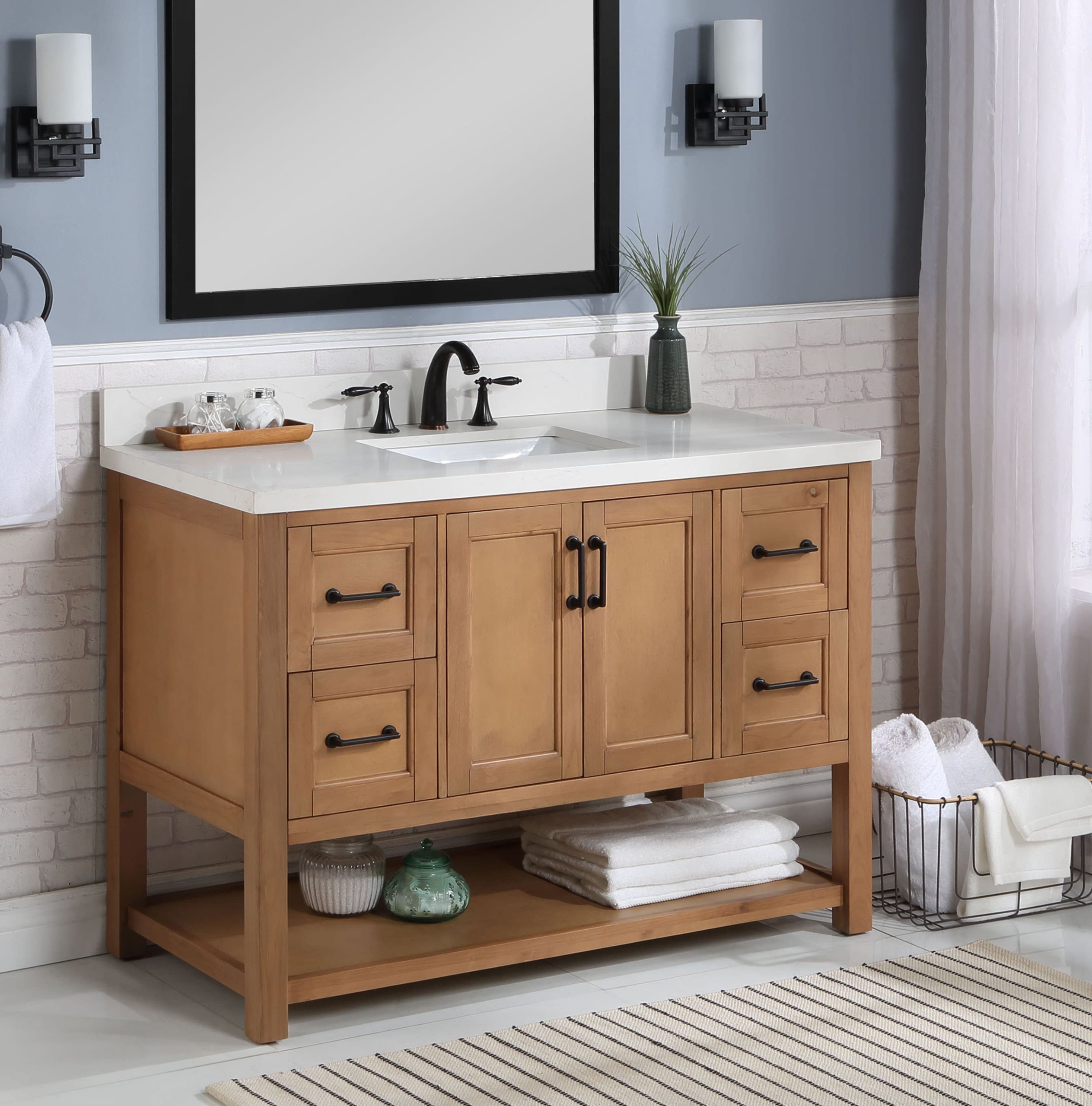
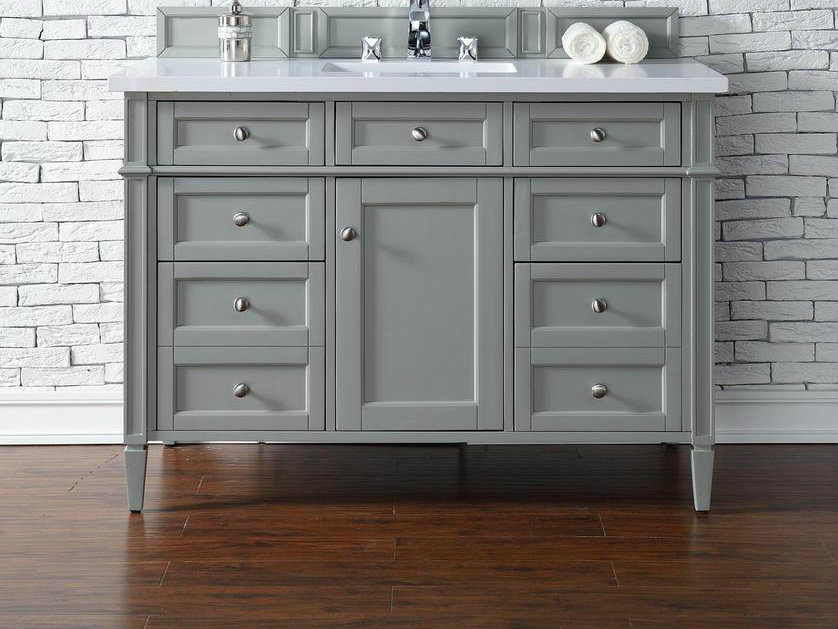
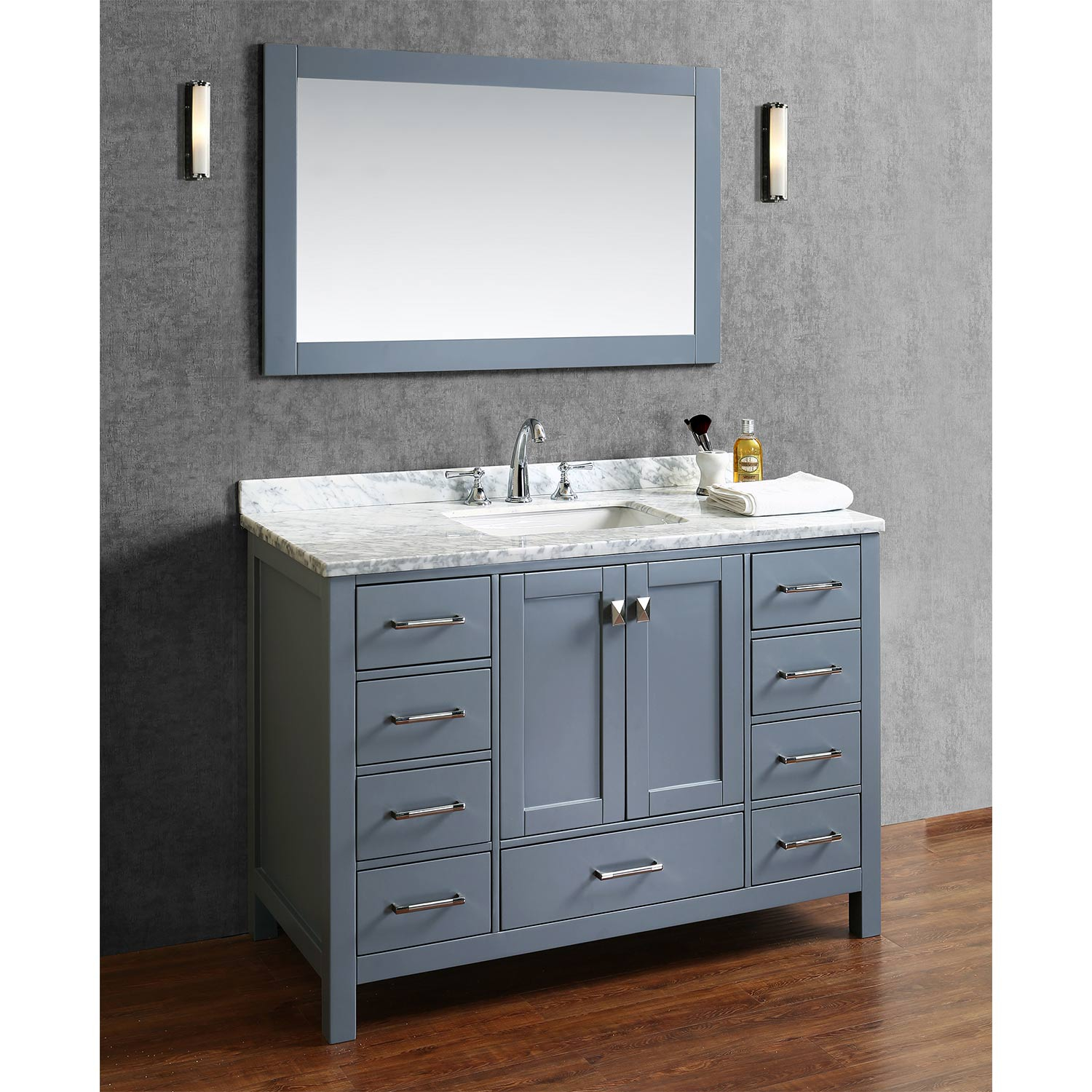
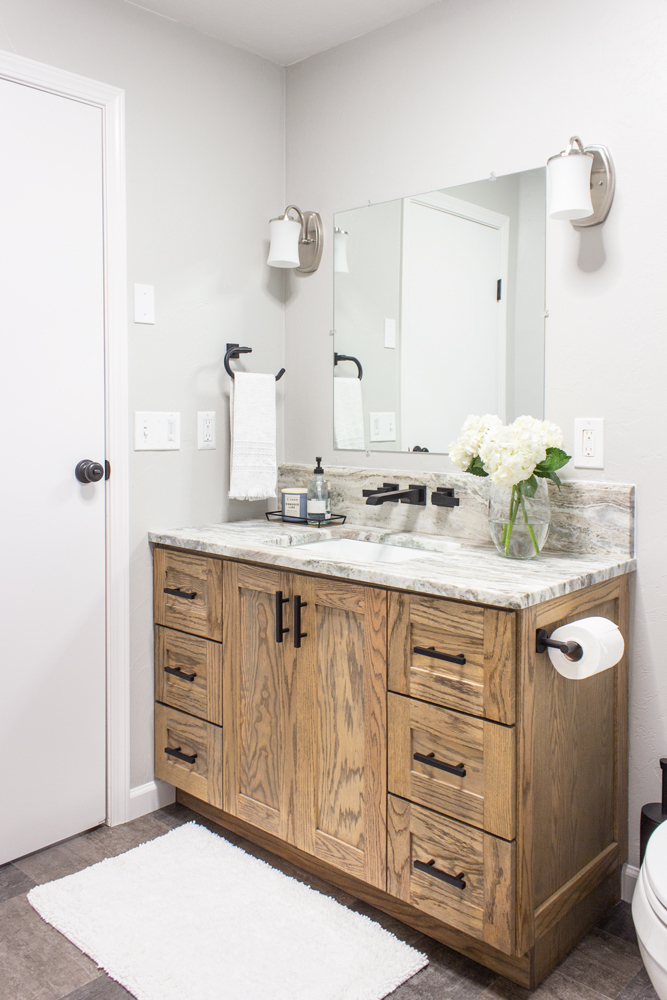
There's something undeniably elegant about the combination of rich walnut wood and sophisticated satin brass hardware. This pairing creates a luxurious feel that transcends trends and speaks to those who appreciate quality craftsmanship. Whether you're renovating your bathroom or starting fresh, understanding how to properly incorporate these elements can transform your space into a true sanctuary.
When it comes to bathroom design, few combinations capture attention quite like walnut wood paired with satin brass fixtures. This pairing brings together warmth and sophistication in a way that feels both classic and contemporary. The rich, chocolate-brown tones of walnut complement the soft, muted glow of satin brass beautifully. But before diving into this beautiful combination, there are several important design considerations that will ensure your vanity not only looks stunning but also functions perfectly within your space. Let's explore what makes this duo so special and how to make the most of it.
Understanding the Natural Characteristics of Walnut Wood
Walnut wood isn't just another timber choice – it's a statement piece in itself. The wood features distinctive grain patterns that vary from subtle waves to bold, dramatic lines. These natural characteristics mean no two vanities will look exactly alike, which adds to their charm. The wood's color ranges from light brown to deep chocolate, often with purple or gray undertones. This variation means you'll want to consider lighting carefully when choosing your vanity. In bright spaces, lighter walnut tones can make the room feel airy and open. In darker rooms, deeper tones can add warmth and richness. The wood also has excellent durability properties, making it ideal for bathroom environments where moisture levels fluctuate. However, it does require some maintenance to keep its luster and prevent water damage. Regular sealing and proper ventilation are essential for longevity.
Satin Brass: The Perfect Counterpart to Warm Wood Tones
Satin brass offers a different approach than traditional brass finishes. While polished brass gleams with brightness, satin brass presents a softer, more muted appearance that complements wood beautifully. The finish has a subtle texture that catches light differently, creating depth rather than glare. This quality makes satin brass particularly appealing in bathrooms where you want to avoid harsh reflections. When you pair satin brass with walnut, you're essentially creating a conversation between two textures – the smoothness of metal against the organic feel of wood. The contrast isn't jarring but rather harmonious. You might notice that satin brass tends to age gracefully, developing a patina over time that adds character. This aging process can actually enhance the overall look, especially when matched with the natural variations in walnut wood. The key is ensuring that the brass isn't too dark or too bright compared to your wood's tone.
Space Planning and Proportions Matter
One of the most critical aspects of designing with walnut and satin brass is considering your bathroom's dimensions. A large vanity with walnut and satin brass works best in spacious areas where you can showcase the wood's natural beauty. In smaller bathrooms, you might want to consider a more compact design or focus on one element – perhaps the vanity top with satin brass accents rather than full hardware sets. The height of your vanity should also match your bathroom's proportions. A tall vanity can make a small room feel even smaller, while a low-profile design might get lost in a large space. Consider how much clearance you need around the vanity for daily use. You'll want at least 24 inches of clearance on either side for comfortable movement. Also think about how the vanity will fit with other bathroom elements like mirrors, lighting fixtures, and storage solutions.
Lighting Considerations for Maximum Impact
Proper lighting can make or break the look of your walnut and satin brass vanity. Natural light plays a crucial role in how these materials appear. In morning light, walnut wood shows its rich, warm tones. During afternoon hours, the same wood may appear more golden or reddish. Evening light can bring out the darker undertones. This is why it's essential to view your chosen vanity at different times of day. For artificial lighting, consider using layered approaches. Overhead lights provide general illumination, while under-cabinet lighting can highlight the wood grain and brass details. The satin brass finish reflects light in a particular way that makes it important to avoid overly bright or direct lighting sources. Soft, diffused lighting tends to work better, allowing the natural textures of both materials to shine through. You might even consider dimmer switches to adjust the atmosphere throughout the day.
Maintenance and Care Requirements
Both walnut wood and satin brass require specific care to maintain their beauty over time. Walnut wood needs regular cleaning with appropriate products that won't strip its finish. Avoid harsh chemicals or abrasive cleaners that could damage the wood's surface. Instead, use mild soap and water with a soft cloth. For satin brass, regular dusting is usually sufficient, though occasional polishing helps maintain its appearance. The satin finish can show fingerprints more easily than other brass finishes, so keeping it clean regularly becomes part of the routine. Water spots on both materials can be problematic, especially in bathrooms where humidity levels fluctuate. Installing proper ventilation systems helps prevent moisture buildup that could affect either material. Consider adding a humidifier if your bathroom tends to dry out excessively, as extremely dry conditions can cause wood to crack or warp.
Color Coordination and Overall Design Harmony
The success of your walnut and satin brass vanity depends heavily on how well it integrates with the rest of your bathroom's design. Think about the color palette of your walls, flooring, and fixtures. If you have neutral walls, the walnut and brass can serve as focal points that draw attention. However, if your bathroom already has bold colors or patterns, you might want to tone down the vanity's impact. The key is balance. You might choose a walnut vanity with satin brass handles but opt for simpler fixtures elsewhere. Alternatively, if you want to make a strong statement, consider incorporating both materials throughout your bathroom. For example, a walnut vanity with satin brass towel bars and a brass mirror frame can create a cohesive look. Remember that the finish of your satin brass should complement the overall warmth of the walnut wood. Cool brass tones might clash with warm wood, while warm brass tones generally enhance the wood's natural characteristics.
Choosing a walnut and satin brass bathroom vanity involves more than just personal preference – it requires thoughtful consideration of multiple factors that affect both aesthetics and functionality. From understanding the natural characteristics of the wood to planning for proper lighting and maintenance, each decision impacts how your space will look and feel over time. The beauty of this combination lies in its ability to create a sophisticated environment that feels both timeless and contemporary. When you carefully consider space constraints, lighting conditions, and overall design harmony, you're setting yourself up for a successful installation that will provide years of enjoyment. The investment in quality materials and thoughtful design pays dividends in daily comfort and long-term satisfaction. Whether you're building a new bathroom or renovating an existing one, remember that the right combination of walnut and satin brass can elevate your space from ordinary to extraordinary.