Imagine walking into a bathroom where every element works together like a well-choreographed dance. The sink, faucet, bathtub, and shower all seem to belong there, creating a seamless look that feels both luxurious and comfortable. This isn't just wishful thinking – it's achievable when you understand how to coordinate bathroom fixtures properly. It's about finding that perfect balance between form and function, where each piece contributes to the overall aesthetic without overwhelming the space.
Bathrooms often get overlooked when we think about home design, but they're actually one of the most important spaces for creating visual harmony. After all, we spend countless hours in our bathrooms, so they deserve to be beautiful and functional. The key lies in understanding how different fixtures work together to create a cohesive look. Whether you're renovating an entire bathroom or just updating a few pieces, getting this right can transform your space from merely adequate to absolutely stunning. It's not about matching everything exactly – though that can work too – but rather about creating a sense of unity that feels intentional and pleasing to the eye.
Understanding Visual Weight and Scale
Think of your bathroom fixtures like a group of friends at a party – some might be more dominant, others more subtle, but they all need to fit together naturally. The concept of visual weight helps us understand how different elements draw attention. A large, ornate vanity mirror will have more visual weight than a simple soap dispenser. Similarly, a freestanding bathtub commands more attention than a standard shower. When you're planning your bathroom layout, consider how each fixture will balance the others. For example, if you have a bold, statement sink, pair it with simpler fixtures to avoid overwhelming the space. Conversely, if your bathroom has minimal fixtures, you might want to add a focal point like a unique showerhead or decorative towel rack. The goal is to distribute visual weight evenly across the room, creating a sense of equilibrium that makes everything feel purposeful and well-thought-out. Consider how the size of your fixtures relates to your bathroom's proportions. A small bathroom with oversized fixtures can feel cramped and chaotic, while a large bathroom with tiny fixtures might look sparse and unfinished.
Color Coordination Strategies
Color is one of the easiest ways to create harmony in your bathroom. The key is choosing a color palette that works for your entire space, not just individual fixtures. Start with a base color – perhaps white or beige – then add accents in metals like brushed brass, matte black, or chrome. These metals are incredibly versatile because they can complement almost any color scheme. You might choose a white bathtub with chrome fixtures and a brass accent light fixture, for instance. The trick is consistency. If you go with a modern minimalist style, stick with clean lines and neutral tones. For a more traditional look, consider warm browns, golds, and creams. Remember that lighting affects how colors appear, so test your choices under different conditions. A fixture that looks perfect in daylight might appear too stark or too dull in evening light. Think about how your chosen colors will age over time too. While trendy colors can be fun, timeless neutrals usually provide better long-term satisfaction. Don't be afraid to experiment with one bold element – maybe a deep blue tub or a strikingly colored faucet – as long as it complements the rest of your scheme.
Material Selection and Texture Balance
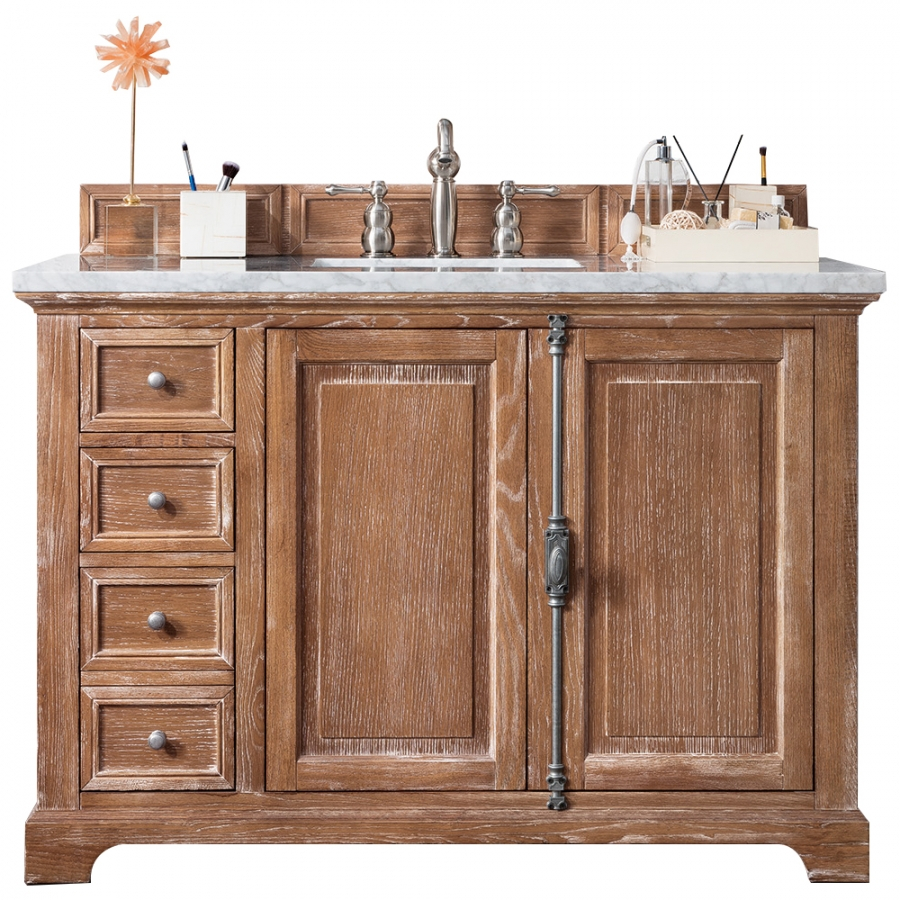
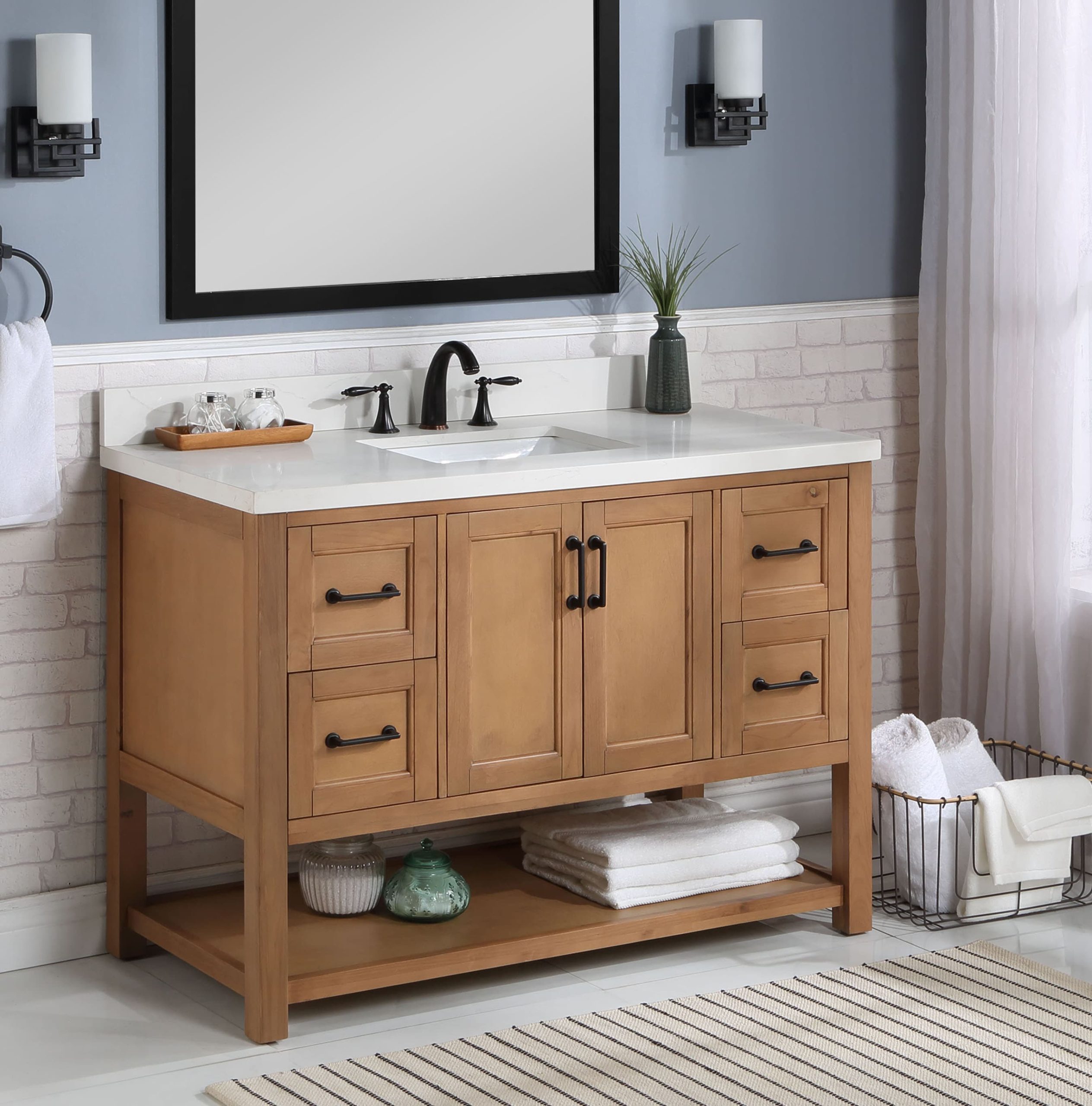
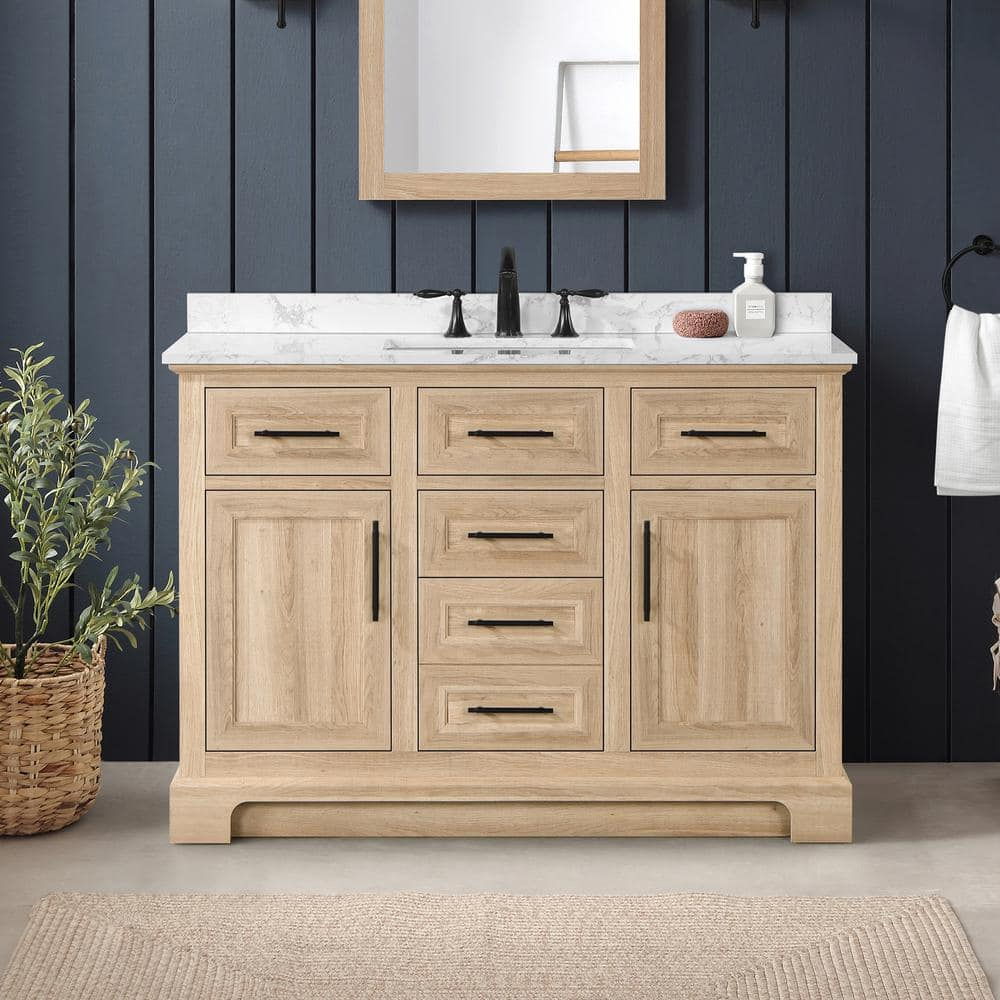
Different materials bring different feelings to your bathroom. Wood adds warmth and organic texture, while metal provides sleekness and modernity. Glass creates openness and lightness, and ceramic offers classic elegance. The secret to great coordination is mixing these materials thoughtfully. You wouldn't want to pair rough wood with sharp metal in the same area, but combining smooth ceramic with soft linen towels can create a lovely contrast. Consider the finish of each material too. Matte finishes tend to be more forgiving and hide fingerprints better than glossy surfaces. A bathroom with too many shiny surfaces can feel clinical and harsh. Think about how materials will age. Some materials, like brass, develop patinas over time that can add character, while others remain consistent. You might choose a wooden vanity with a brushed nickel finish for a balanced approach. When combining materials, ensure they complement rather than compete with each other. A rustic wooden vanity with a modern chrome faucet can work beautifully, but using too many contrasting textures can make a space feel disjointed. The key is finding the right balance between different tactile experiences.
Style Consistency Across All Elements
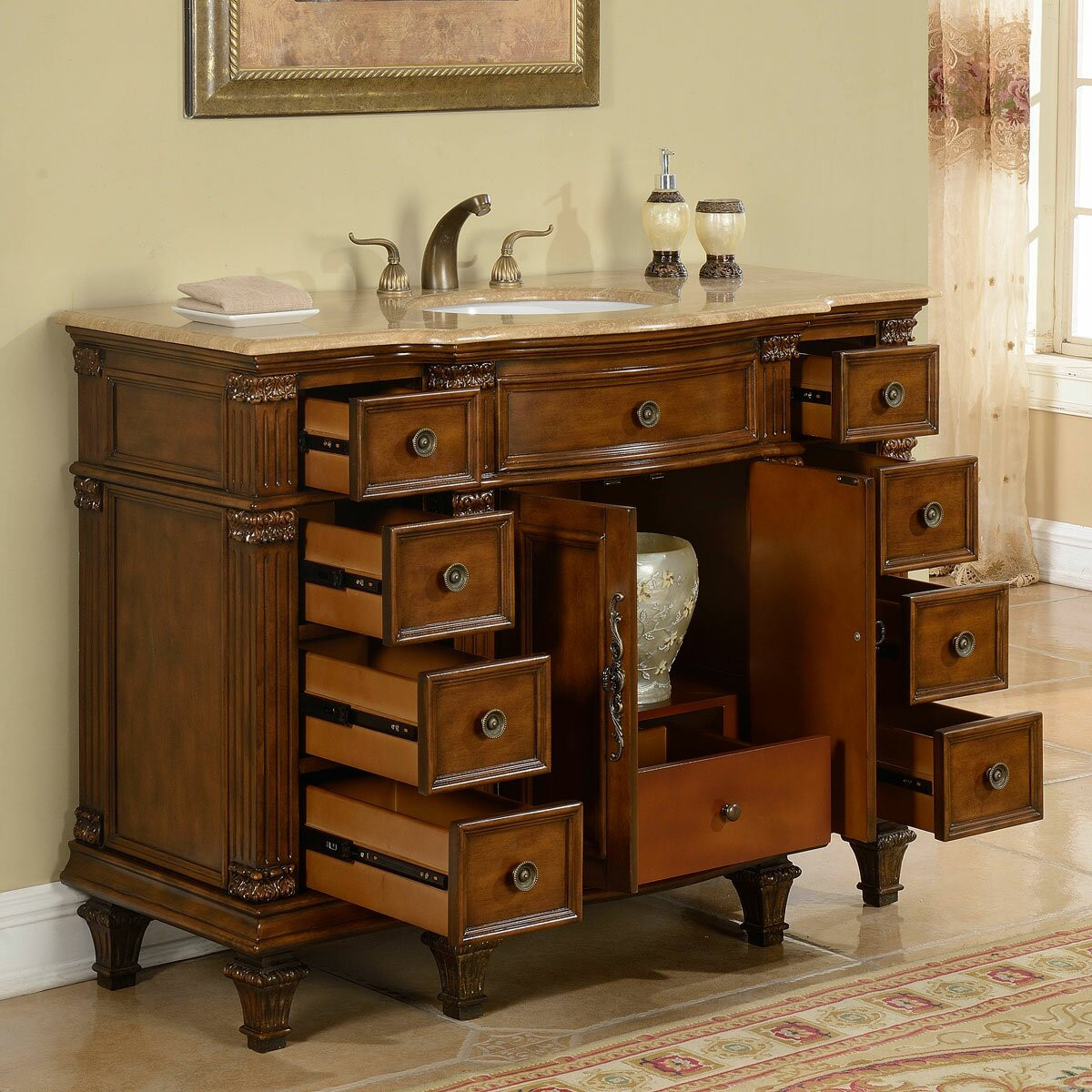
Every bathroom has a personality, whether you realize it or not. That personality comes from how all the elements relate to each other. If you're going for a spa-like atmosphere, everything should support that feeling – from the fixtures to the lighting to the accessories. A contemporary bathroom needs to feel contemporary throughout, not like someone mixed vintage and modern pieces haphazardly. Start by defining your overall style – traditional, contemporary, industrial, rustic, or something else entirely. Once you know that, choose fixtures that reinforce that theme. For example, a traditional bathroom might feature ornate fixtures with curved lines, while a modern bathroom prefers straight lines and minimal design. Don't forget about hardware details like drawer pulls, cabinet handles, and towel rings. These small elements can make or break your overall aesthetic. If you're mixing styles intentionally, do it deliberately and with clear purpose. Sometimes the most interesting bathrooms are those that blend different styles thoughtfully, but even then, there should be a unifying element that ties everything together. Your bathroom should tell a consistent story from the moment you enter.
Practical Considerations for Functionality
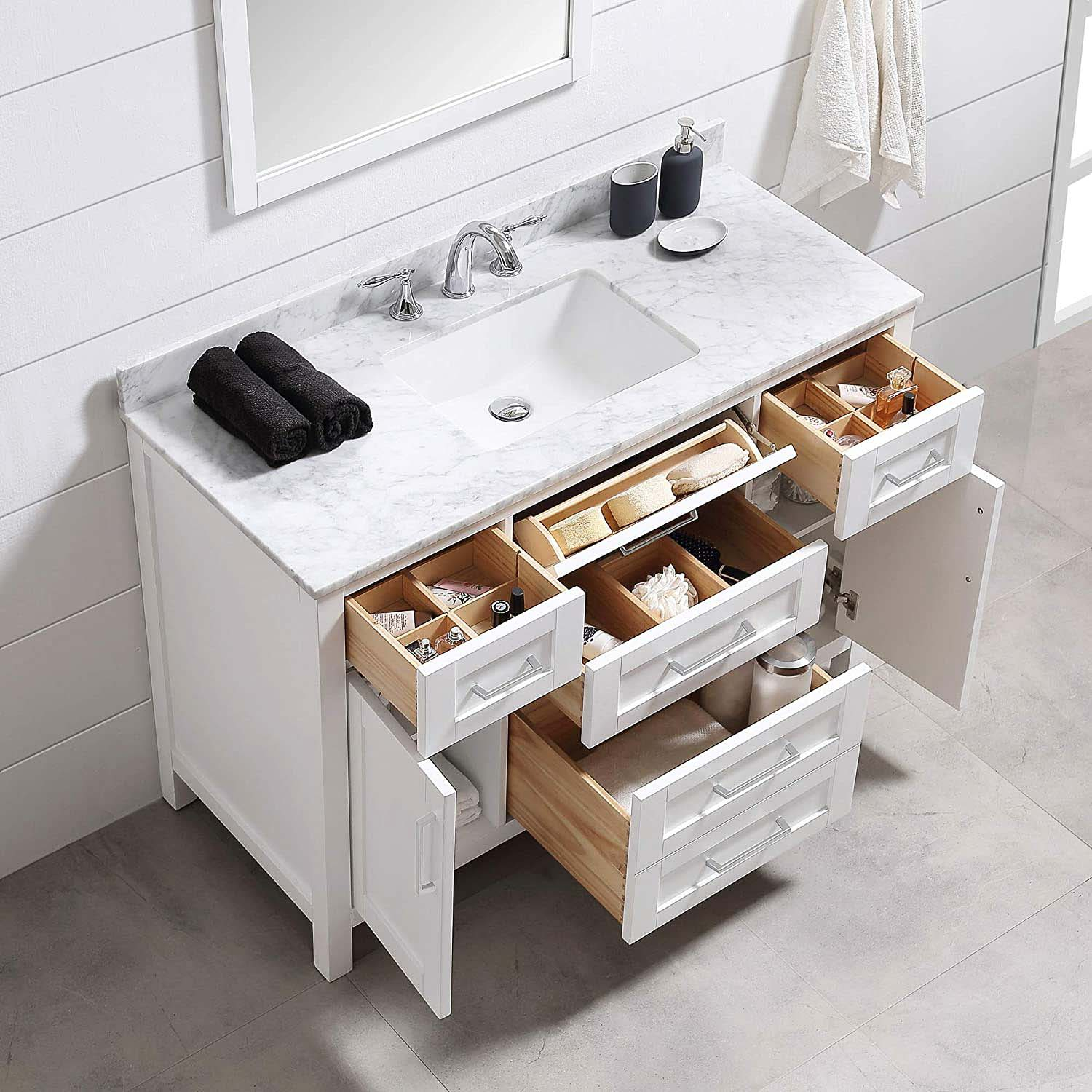
Beauty matters, but so does function. A perfectly coordinated bathroom that doesn't work well is frustrating and ultimately useless. Think about how you actually use your bathroom. The placement of fixtures should make sense for your daily routine. Consider how water pressure works with your fixtures – a high-end showerhead paired with low water pressure won't deliver the experience you want. Pay attention to accessibility too. Some fixtures are easier to use than others, especially for elderly family members or young children. The height of your sink, the reach of your faucet, and the positioning of your toilet should all accommodate everyone who uses the space. Also consider maintenance requirements. Some materials and finishes require more care than others. A marble vanity might look stunning but needs regular sealing and cleaning. A brushed nickel finish is more practical for busy households. Think about how easy it will be to clean each fixture. A fixture that's difficult to clean regularly will become a chore rather than a pleasure. Finally, consider your budget carefully. You don't need to spend a fortune on every piece, but invest wisely in key elements that will last and make the biggest impact.
Real-World Examples and Practical Tips
Let's look at some actual scenarios to see how these principles play out in practice. A small bathroom with limited space benefits from fixtures that don't overwhelm the area. Think slimline vanities, wall-mounted toilets, and compact fixtures that maximize the available floor space. In larger bathrooms, you have more flexibility to include statement pieces without making the space feel cluttered. A bathroom with a single large mirror can anchor the space and make it feel bigger. Another common scenario involves updating old fixtures in a vintage bathroom. Here, the key is choosing new pieces that respect the original style while bringing modern functionality. For instance, a classic pedestal sink with updated plumbing can look fresh and functional. One helpful tip is to photograph your current bathroom and then digitally place potential new fixtures to see how they'll work together. This helps avoid costly mistakes. Don't overlook the importance of accessories too – towels, soap dispensers, and decorative items can either enhance or clash with your fixture choices. A bathroom that's too decorated can feel chaotic, while one that's too sparse can feel cold. Find the middle ground that works for your lifestyle and preferences. Remember that the best bathroom designs are often those that reflect the person who uses them most.
Creating visual harmony in your bathroom is less about following rigid rules and more about understanding how elements interact with each other. It's about making thoughtful decisions that serve both your aesthetic desires and practical needs. The process starts with knowing what you want your bathroom to feel like – whether that's calm and spa-like or vibrant and energetic. From there, you can choose fixtures that support that vision. Remember that small details matter – from the way a faucet handle curves to how a towel rack complements a vanity. The most successful bathroom designs are those where every element feels like it belongs, where the whole becomes greater than the sum of its parts. Whether you're starting from scratch or updating existing fixtures, take your time with the process. Look at plenty of examples, gather inspiration, and don't be afraid to try new combinations. The most important thing is that your bathroom reflects your personal style while remaining a place where you actually want to spend time. With careful consideration and attention to detail, you can transform any bathroom into a space that truly sings with visual harmony.