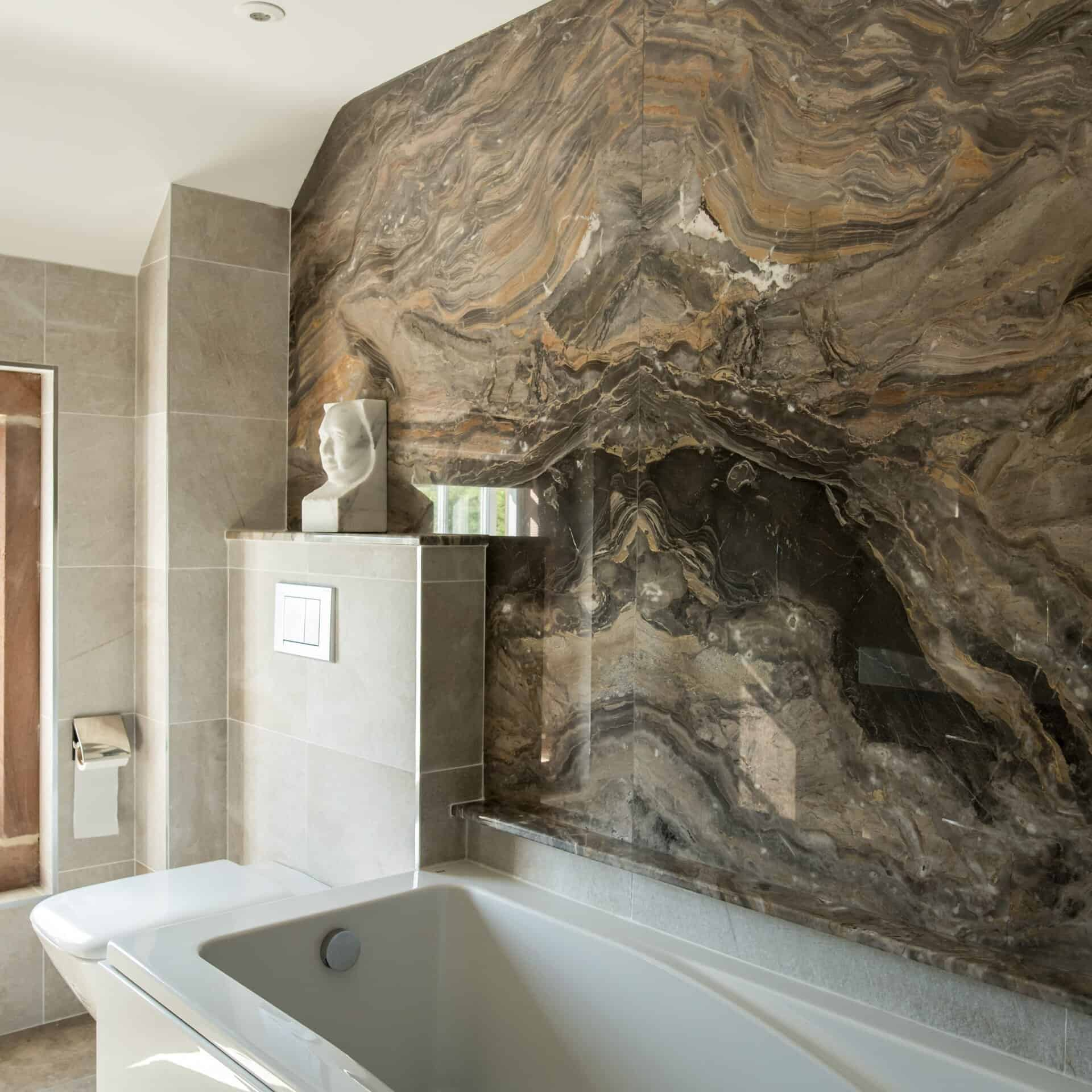
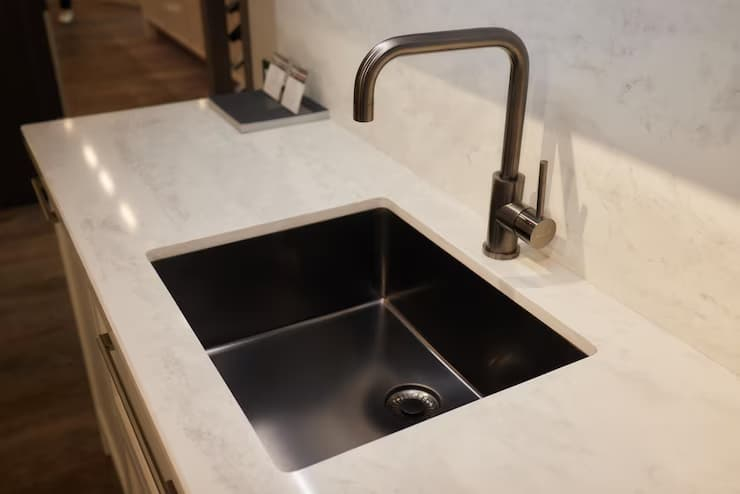
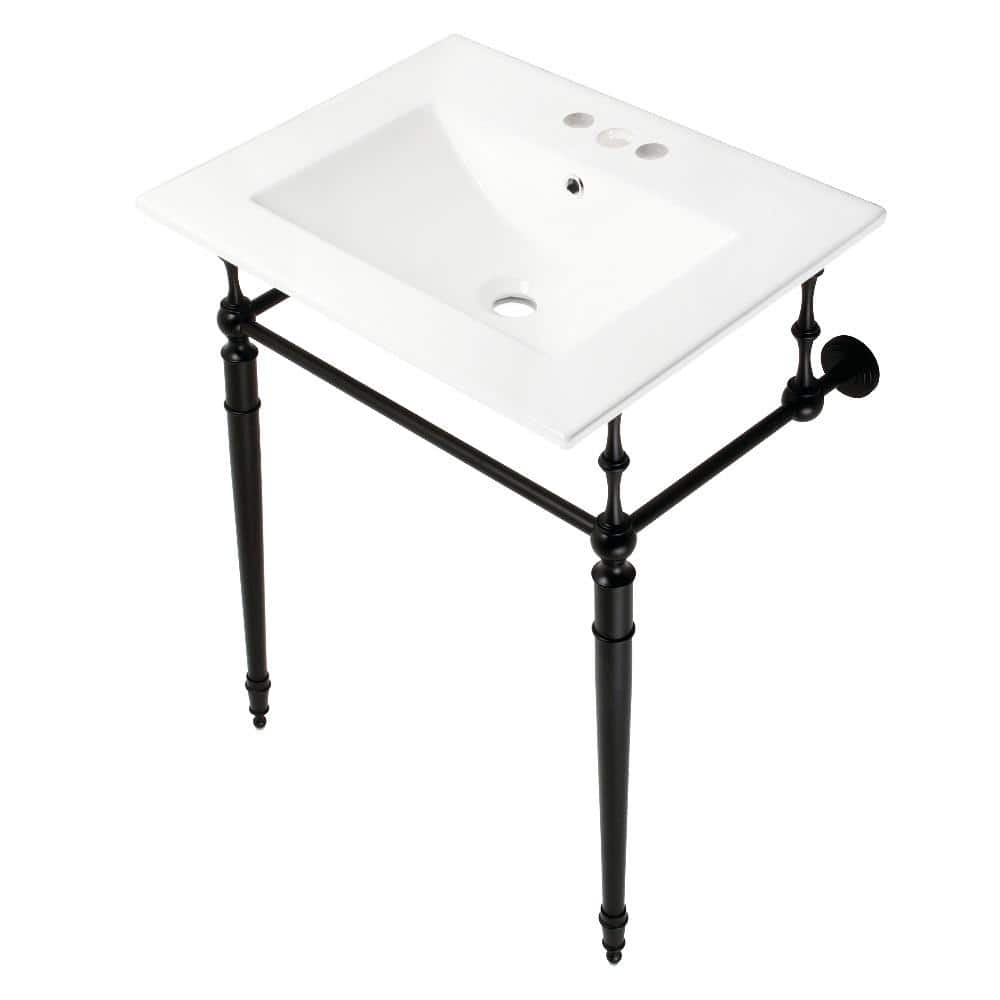
Picture this: a sleek, contemporary bathroom where every element works together in harmony. The clean lines of a modern vanity meet the durability and beauty of quartz countertops. It's not just about aesthetics anymore - it's about creating spaces that feel both luxurious and practical. This isn't some fancy design theory you'll find in magazines. This is real-world wisdom from people who've actually done it. Whether you're planning a complete renovation or just updating a single element, understanding how to properly combine these two crucial bathroom components can transform your space from ordinary to extraordinary.
When it comes to bathroom design, few combinations create as much visual impact as quartz countertops paired with modern vanity designs. This pairing represents the perfect balance between form and function. You're not just choosing materials - you're selecting elements that will define your bathroom's personality for years to come. The key lies in understanding how different textures, colors, and styles interact. Think of it like cooking - you wouldn't put salt and pepper together without considering how they complement each other. In the bathroom world, quartz and modern vanities need that same careful consideration. Many people approach this with a 'throw it all together' mentality, but that rarely leads to success. Instead, you want to think about how each element supports the other, creating a cohesive whole that feels intentional rather than random.
Understanding Quartz Countertops
Quartz countertops aren't just another surface option. They're engineered materials that offer something special - consistency combined with beauty. Unlike natural stone, quartz doesn't have unpredictable veining or color variations. Every slab looks the same, which makes it ideal for maintaining a clean, uniform look. But here's where it gets interesting: quartz comes in dozens of different patterns and colors. Some mimic marble perfectly, others look like natural stone, and some are completely abstract. The material itself is incredibly durable. It resists stains, scratches, and heat better than most alternatives. This means you can have that beautiful, high-end look without worrying about daily wear and tear. When pairing with vanities, this consistency becomes crucial. If your vanity has clean lines and minimalist design, a quartz countertop that matches that aesthetic will create that seamless, polished look we all crave. The material's non-porous nature also means less maintenance and more peace of mind.
Modern Vanity Design Elements
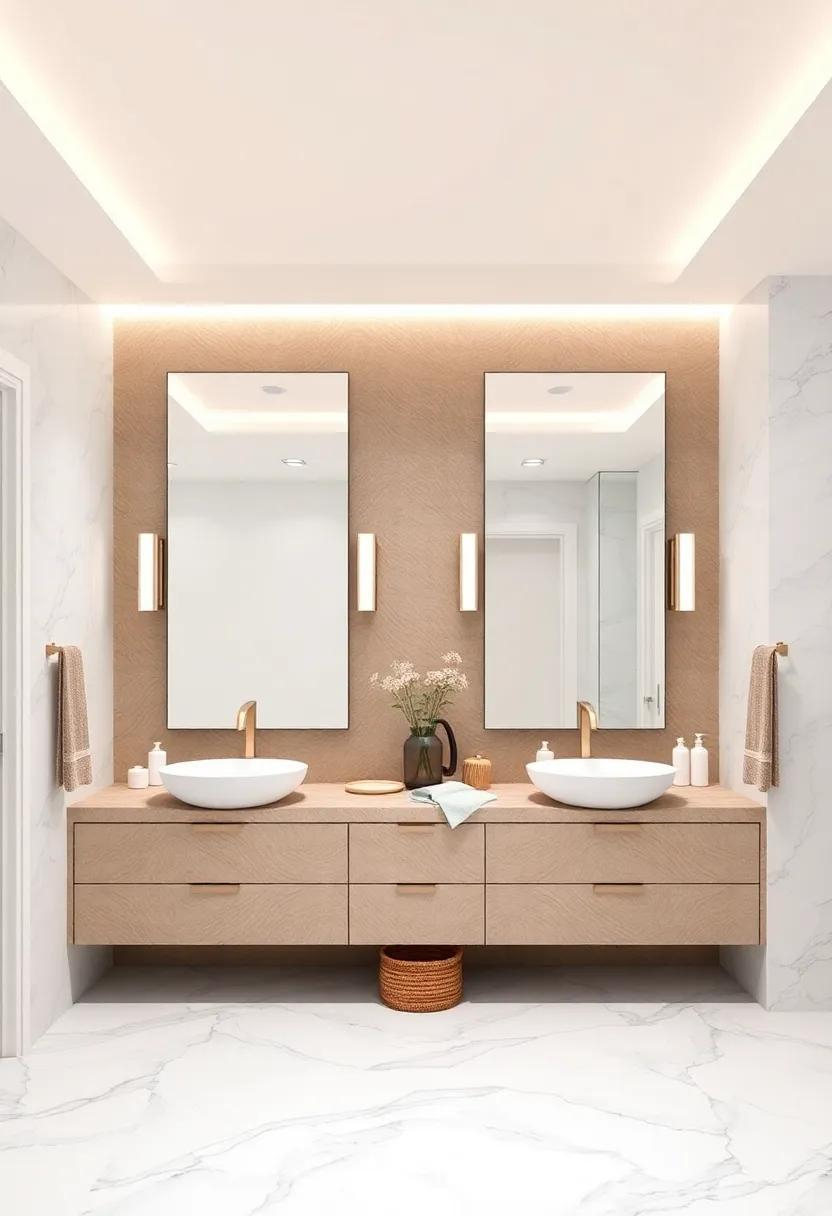
Modern vanities have evolved far beyond simple storage solutions. Today's designs focus heavily on clean lines, minimalism, and functional beauty. Think geometric shapes, simple hardware, and uncluttered surfaces. These vanities often feature integrated sinks, hidden storage, and clever organizational features. What makes them particularly compatible with quartz is their emphasis on simplicity. When a vanity design is already streamlined, adding quartz creates a sophisticated balance. The contrast between the vanity's structure and the quartz's surface texture can create visual interest without overwhelming the space. Modern vanities often use materials like wood, metal, or laminate. The key is ensuring the quartz complements these materials rather than competing with them. For instance, if your vanity has a matte finish, a quartz with a similar texture won't clash. If your vanity is bright and clean, a quartz with subtle patterns can add warmth without disturbing the overall aesthetic.
Color Harmony Principles
Color coordination might seem simple, but it's where many bathroom projects go wrong. The trick isn't just matching colors - it's creating a palette that feels intentional and balanced. Lighter quartz tones work beautifully with modern vanities that have white or light wood finishes. This combination creates a bright, airy feeling that's perfect for smaller bathrooms. Darker quartz can add sophistication when paired with lighter vanities, creating a dramatic contrast that feels both bold and refined. Consider undertones too - quartz can have subtle hints of gray, beige, or even blue that might not be immediately obvious. These can either complement or compete with your vanity's color scheme. A practical tip: always test samples in your actual lighting conditions. Natural light changes everything, and what looks great in a showroom can appear completely different in your bathroom. The goal is to create a cohesive color story that flows naturally from one element to the next.
Texture and Surface Considerations
Texture plays a surprisingly important role in how quartz and vanities work together. A smooth quartz surface paired with a vanity that has a slightly textured finish creates visual interest without being jarring. The key is balance. If your vanity has a lot of texture or pattern, keep the quartz relatively plain. If your vanity is smooth and clean, you can experiment with quartz that has a bit more character. Some quartz varieties feature subtle veining or speckling that adds dimension. Others have a completely uniform appearance. The texture of the vanity's surface also matters. Matte finishes tend to pair well with quartz that has a similar tactile quality. Glossy vanities might benefit from quartz that has a slight sheen or reflective qualities. This interplay of textures helps guide the eye around the space and prevents it from feeling flat or monotonous. Remember, the goal is to create a sense of unity, not confusion.
Practical Integration Tips
Beyond aesthetics, there are several practical considerations that make or break the quartz-vanity combination. First, measure everything carefully. Even small differences in dimensions can cause problems when installing. The overhang of the quartz over the vanity needs to be calculated precisely. Consider the sink placement too - does the quartz's thickness match the vanity's requirements? Another factor is maintenance. While quartz is low-maintenance, it still requires care. If your vanity design includes open shelving or exposed edges, you'll want to ensure the quartz can handle whatever lifestyle you lead. Some people prefer to avoid certain quartz patterns in high-traffic areas because they show water marks or fingerprints more easily. Think about your daily routine and how the combination will hold up over time. The installation process itself is another consideration. Professional installation ensures proper alignment and prevents future issues with gaps or misalignment.
Real-World Examples and Case Studies
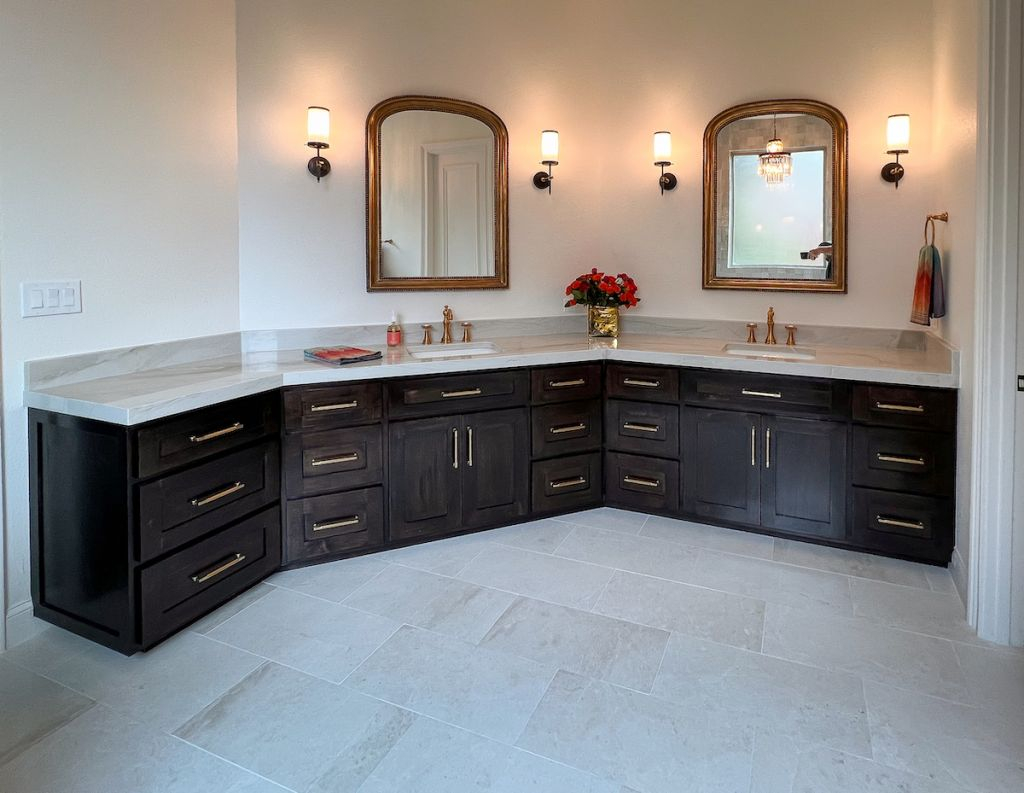
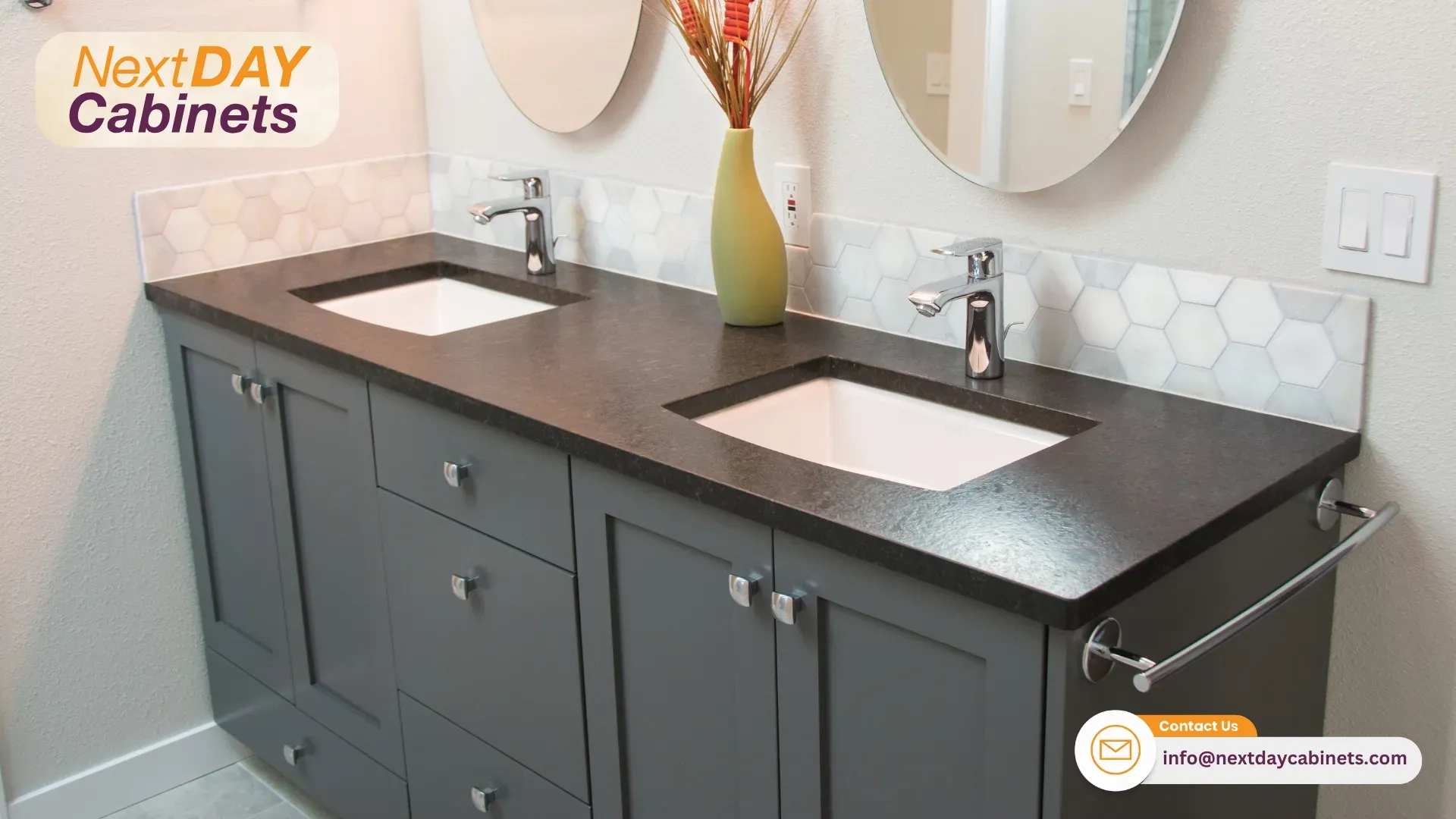
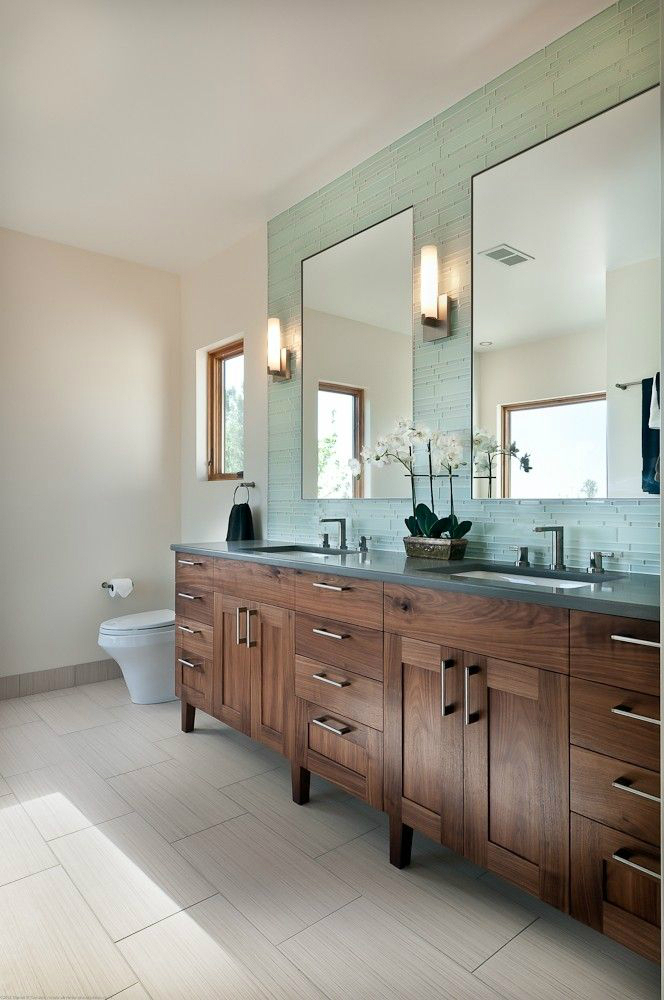
Let's look at some real situations where this combination has worked exceptionally well. One popular approach involves using a light quartz with a white vanity. This setup creates a fresh, timeless look that appeals to many homeowners. Another successful pairing uses a dark quartz with a medium-toned vanity, creating a sophisticated contrast that feels both modern and welcoming. Some homeowners choose to match the quartz color exactly with the vanity's edge treatment, creating a seamless, almost sculptural effect. A common mistake people make is choosing quartz that's too busy for a simple vanity design. The result often looks mismatched or chaotic. The best examples show restraint and thoughtful selection. One case study featured a bathroom where a homeowner chose a quartz with subtle gray veins to complement a vanity with a natural wood tone. The result was a space that felt both elegant and lived-in. These real examples demonstrate that success comes from understanding proportions and maintaining balance rather than simply following trends.
Combining quartz countertops with modern vanity designs isn't just about matching materials - it's about creating a unified vision that reflects your personal style and lifestyle. The key ingredients are understanding the properties of both elements, considering how they'll work together in your specific space, and making choices that stand the test of time. Remember, the most successful combinations are those where neither element overwhelms the other. You want the quartz to enhance the vanity's design rather than compete with it. Consider the practical aspects too - how will this combination work for your daily routine? Will it age gracefully? Will it still look good in ten years? These questions help ensure you're making decisions based on lasting appeal rather than momentary trends. The end result should feel effortless and intentional, like everything was meant to be there. When you get it right, you're not just updating a bathroom - you're creating a space that brings joy every day.