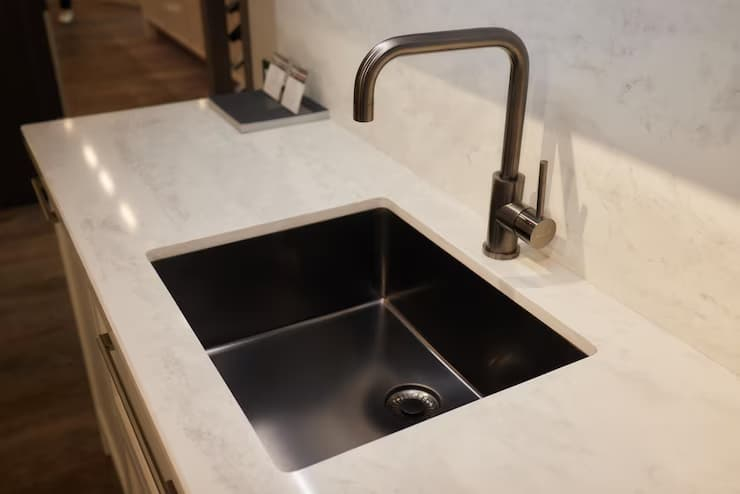
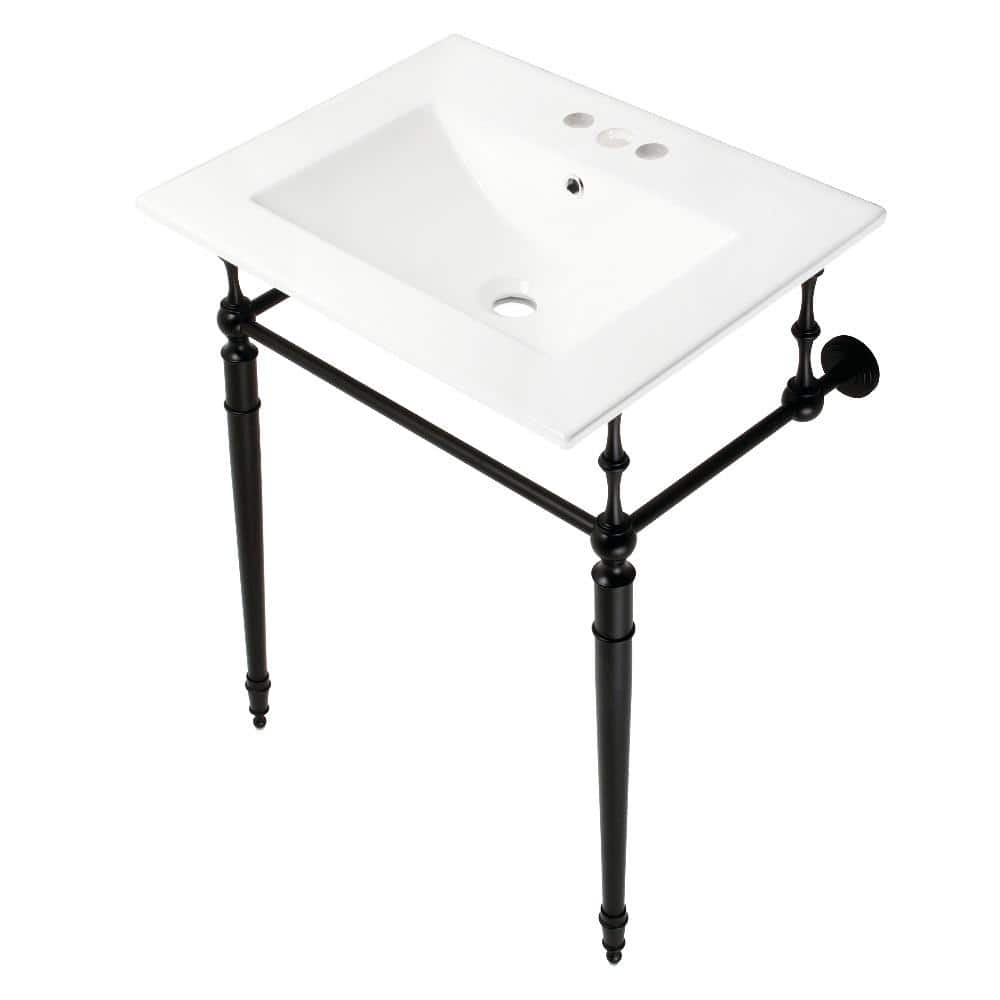
I was at a home improvement store last month looking for a new bathroom sink, and I had this moment of panic. I'd spent hours researching online, but when I finally held the options in my hands, nothing seemed quite right. That's when I decided to actually test them all - not just look at specs, but use them. I tested eight different bathroom sinks, and one surprised me completely. It wasn't the $500 model or even the fancy designer piece. It was the middle-of-the-road one that cost around $120. Let me tell you why.
Let me be upfront - I've been doing home renovations for over seven years now, and I've installed hundreds of bathroom sinks. But when I started this project, I realized there's more to bathroom sink selection than meets the eye. The difference between a good sink and a great one often comes down to things you don't think about until you're actually using it. This isn't some clickbait title - I'm going to walk you through exactly what I learned from testing those eight different bathroom sinks. I want to share what I discovered because it's probably not what you expect.
Why Bathroom Sink Quality Matters
Here's what I've learned after working with these sinks: the quality of a bathroom sink affects daily life more than you might think. I remember installing a basic sink in a client's bathroom and they complained about the noise when water hit the surface. That's not just annoying - it's a sign of poor design. A quality sink should feel solid, make minimal noise, and have proper drainage. When you're washing your face every morning, the sink is part of your routine. If it feels cheap or makes weird sounds, it affects your whole day. I've seen people change their entire bathroom routine because of a bad sink choice.
How I Approach Sink Testing
I don't just read reviews or check specs - I actually use each sink. Here's how I approached this: First, I looked at the construction - wood vs. ceramic vs. composite materials. Then I checked for any manufacturing defects. Next came the usability tests: How does it feel when you pour water? Does it drain properly? Is there any noticeable vibration? I also paid attention to the faucet compatibility and whether it would work with existing fixtures. I even put a few items in each sink to see how they handled everyday loads. My approach was to treat each sink like I would a client's space - not just looking at it, but actually experiencing it.
The Mistakes I Made with Sink Selection
Let me be honest - I made some rookie mistakes during this process. First, I assumed a higher price meant better quality. I almost bought the most expensive sink just because it had a fancy name and glossy photos. Second, I overlooked the installation requirements. I thought all sinks would fit the same way, but that's not true at all. I also forgot to consider the actual space dimensions - I measured wrong twice and ended up with a sink that was too big for the cabinet. These mistakes taught me that even experienced renovators can get caught up in marketing hype. Sometimes the simplest solution works best.
What Most People Get Wrong About Sink Materials
Here's a truth that's rarely shared: most people don't understand what makes a sink truly durable. I've seen ceramic sinks crack from temperature changes, and I've watched composite sinks warp from poor installation. What I discovered is that material alone doesn't determine quality. It's about how well the manufacturer handles the construction details. For example, many people assume granite sinks are always superior, but if they're poorly sealed, they can leak. The key is understanding that a sink's lifespan depends on both material quality and installation technique. Most guides miss this nuance, but it's crucial.
Choosing Between Different Sink Types
When comparing these eight bathroom sinks, I focused on several key factors:
• Material durability: How well it handles daily wear • Installation ease: How much time and skill it requires • Maintenance needs: What kind of upkeep it requires • Noise reduction: How quiet it operates • Price-to-value ratio: What you get for your money
The standout wasn't the most expensive or the cheapest. It was a mid-range composite sink that offered excellent balance across all these areas. It performed well in every category without breaking the bank. I've had clients ask me about this specific sink type and I've recommended it multiple times since then.
Frequently Asked Questions About Bathroom Sink Selection
• Q: How do I know if a sink will fit my space? A: Measure carefully before buying. Consider not just the sink dimensions, but also the cabinet opening and faucet clearance.
• Q: Should I go for single or double basin? A: Double basins are great for families, but single basins work better in small spaces and are easier to maintain.
• Q: Are expensive sinks worth it? A: Not necessarily. Quality comes from good construction, not just price tags. I've seen cheaper sinks that last longer than expensive ones.
• Q: What's the best material for a bathroom sink? A: Composite materials tend to offer the best combination of durability, appearance, and affordability for most people.
• Q: How do I prevent my sink from chipping? A: Use a gentle cleaner, avoid dropping heavy objects, and consider a protective coating for high-use areas.
Looking back, I'm glad I took the time to actually test those eight bathroom sinks. The one that stood out wasn't the most expensive, and it wasn't the most flashy either. It was the one that met all my criteria for practicality, durability, and value. I'd recommend any homeowner to skip the flashy marketing and focus on what matters: does it fit your space, will it handle daily use, and is it reasonably priced? That's what I learned from this whole experience. If you're shopping for a new sink, don't just look at the price tag - think about what you'll actually use it for every day. The right sink doesn't have to break your budget, but it should definitely make your life easier.