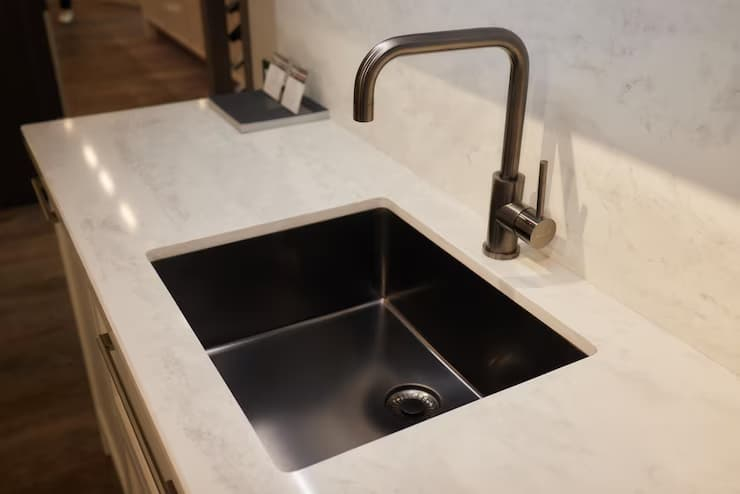
When you think about your kitchen, what comes to mind first? Is it the smell of fresh coffee brewing, the sound of chopping vegetables, or maybe the way sunlight hits your favorite counter? Countertops are often the unsung heroes of our kitchens, quietly handling daily tasks while bearing the brunt of our cooking adventures. They're where we prep meals, where our family gathers, and where memories are made. But with so many options available today, picking the right one can feel overwhelming.
Let's face it – countertops are more than just surfaces. They're the foundation of your kitchen's functionality and beauty. Whether you're planning a complete kitchen overhaul or simply replacing a worn-out slab, the choice you make will impact your daily routine for years to come. The right material can transform your space, while the wrong one might lead to constant repairs, expensive replacements, and endless frustration. This isn't just about aesthetics either – it's about practicality, durability, and how well something fits into your lifestyle. From busy families to solo cooks, from minimalist spaces to bustling culinary hubs, every kitchen has unique needs. So, what makes one countertop better than another? What factors should really matter to you when making this decision?
Understanding Your Lifestyle Needs
Before diving into materials, take a honest look at how you actually use your kitchen. Do you cook multiple times a day, or do you prefer quick meals? Are there kids running around, or do you have pets that might knock things over? If you love entertaining, you'll want a surface that can handle guests and frequent use. Think about your daily routine. How much time do you spend prepping food? Do you like to keep your countertops clean and organized? Some materials work better for high-traffic areas than others. For instance, if you're always dropping pots and pans, a material that can handle impacts without showing damage is crucial. You might also consider whether you enjoy cooking with raw foods, which means you'll want something easy to sanitize. And let's not forget about maintenance – some surfaces require more care than others. The truth is, your lifestyle shapes everything about your countertop choice. A granite countertop might seem luxurious, but if you're constantly dealing with stains from red wine or tomato sauce, it could become a nightmare. On the flip side, a more durable option might save you money and headaches in the long run.
The Big Players: Popular Countertop Materials
There are several major types of countertops out there, each with its own strengths and weaknesses. Let's break them down. Natural stone like granite and marble offers timeless elegance and uniqueness. Each piece is different, giving your kitchen character. However, they require sealing and can be prone to staining. Solid surface materials such as Corian offer uniformity and easy repairability, but may show scratches more easily. Engineered stone like quartz provides a balance of beauty and low maintenance, with consistent coloration and stain resistance. Wood countertops bring warmth and personality but demand regular oiling and careful handling. And then there are man-made options like laminate, which can be affordable and versatile, though less durable. Each type has a place in different situations. For example, if you're looking for something that won't chip or scratch easily, engineered stone might be your best bet. If you want something that feels organic and natural, wood or stone could be perfect. The key is matching the material to what matters most to you.
Cost Considerations and Value Over Time
Budget plays a huge role in any major home improvement project. When it comes to countertops, costs vary dramatically based on material, quality, installation, and labor. Natural stones like granite can range from $40 to $100 per square foot, while engineered stone typically costs between $40 and $80 per square foot. Laminate is often the cheapest option, starting around $10 per square foot, though it's also the most fragile. You also need to factor in ongoing costs. Sealed stone requires periodic resealing, and some materials need special cleaning products. Think about the total cost of ownership over five or ten years. A cheaper option might end up costing more due to repairs or replacements. For example, if you choose a countertop that chips easily and needs frequent replacement, the initial savings could turn into bigger expenses later. And don't overlook installation costs – some materials are more challenging to work with and may require professional installation. It's worth noting that certain materials hold their value better in resale situations. If you're planning to move soon, you might prioritize a material that looks good and lasts, rather than one that's the cheapest upfront.
Durability and Maintenance Requirements
Durability is one of the biggest concerns when choosing countertops. You want something that can withstand daily wear and tear without looking worn out after a few years. Some materials handle heat better than others, and that matters if you frequently use hot pots and pans. For instance, granite and quartz can handle direct heat better than laminate or wood. Water resistance is another factor – some materials absorb water easily and can warp or stain over time. Maintenance also varies greatly. Stone needs sealing every few years, while quartz is virtually maintenance-free. You should also consider how easy it is to repair damage. Some materials can be sanded or buffed to remove minor scratches, while others might need complete replacement. Think about what happens if you accidentally drop a heavy object or spill something acidic. Will it leave a mark? Can you fix it yourself, or does it require professional help? These questions help determine which material suits your lifestyle best. And remember, the easier something is to maintain, the more likely you are to keep it looking great for longer.
Aesthetic Appeal and Design Integration
While function is important, no one wants a kitchen that looks like a hospital. The countertop sets the tone for your entire space. It's the backdrop for your cookware, dishes, and personal touches. Colors, patterns, textures, and finishes all play a role in how your kitchen feels. Light-colored countertops can make a small kitchen feel bigger, while dark tones add sophistication and drama. If you have a lot of natural light, you might experiment with bold colors or patterns. But if your kitchen gets little sun, neutral tones often work better. Texture also matters – smooth surfaces feel clean and modern, while textured options like honed granite can add visual interest. You also need to consider how well the countertop works with your cabinets, flooring, and appliances. A cohesive design scheme creates harmony and makes your space feel intentional. And don't forget about trends – what's popular now might not be in a few years. Choosing something timeless ensures your investment stays relevant longer. Sometimes a simple, classic material like white marble or natural wood can make a big impact without being trendy.
Practical Tips for Making Your Decision
Making the final choice can feel daunting, but breaking it down helps. First, visit showrooms and see samples in person – nothing beats seeing how a material looks under your actual lighting. Take measurements and get quotes from multiple vendors. Ask about warranties and guarantees, and find out what kind of support they offer post-purchase. Consider getting a sample of your chosen material to test at home – see how it handles spills, scratches, and temperature changes. Don't forget to ask about installation requirements and timeline. Some materials need special handling during installation. Also, think about future needs – if you plan to renovate again, you might want something that will still look good in a few years. And finally, trust your instincts. If something feels right, even if it's not the cheapest option, it might be worth it. After all, your countertop is going to be part of your daily life for years to come.
Choosing the right countertop material is a decision that deserves thoughtful consideration. It's not just about picking something that looks nice – it's about finding something that fits seamlessly into your life and meets your practical needs. Every material has its pros and cons, and the best choice depends on your specific situation. Whether you're looking for something that can handle a busy family kitchen or a quiet space where you enjoy cooking alone, there's a countertop out there that will work perfectly. The key is understanding what matters most to you – durability, appearance, cost, or ease of maintenance. Take your time, do your research, and don't rush into anything. Your future self will thank you for making an informed decision. And remember, a good countertop isn't just a surface – it's the heart of your kitchen's functionality and beauty. Make sure it's one you'll love for years to come.