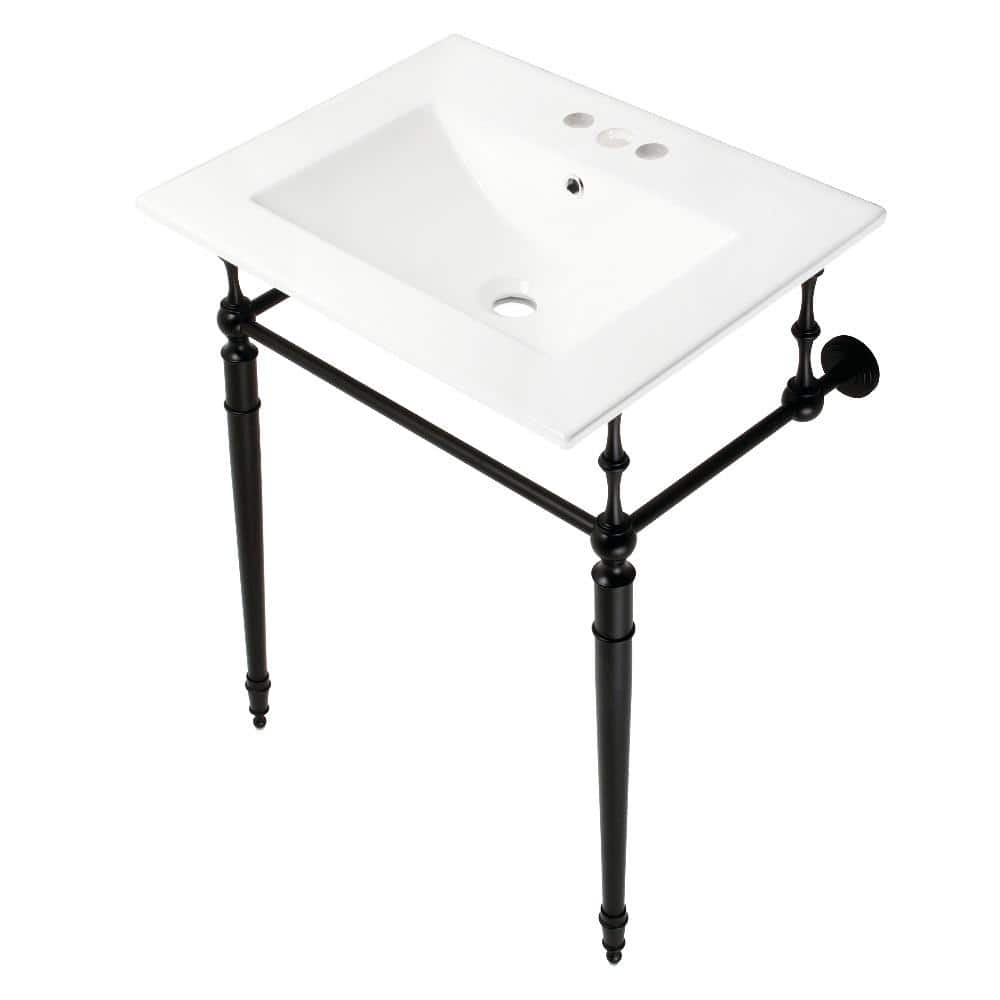
What happens when designers, engineers, and craftsmen collaborate to create something that transforms your daily routine? The story behind the Fabia Collection 30" Bathroom Vanity reveals how innovation meets practicality in the most unexpected ways.
Picture this: you walk into a bathroom and immediately feel like you've stepped into a spa. The sleek lines, the perfect proportions, and that subtle elegance that makes everything feel just right. This isn't just about aesthetics – it's about thoughtful design that considers every detail. The Fabia Collection 30" Bathroom Vanity represents more than just another vanity unit. It's the result of countless hours of research, testing, and refinement. But what really went into creating this remarkable piece? Let's take a look behind the scenes.
Design Philosophy and Inspiration
Every great product starts with a vision. For the Fabia Collection, the design team looked beyond traditional bathroom vanities. They wanted to create something that would seamlessly blend functionality with beauty. The inspiration came from several sources – modern architecture, minimalist design principles, and the desire to solve common bathroom problems. What struck them was how most vanities failed to address the real needs of everyday users. The team asked themselves, "What if we could make something that feels both luxurious and practical?" The answer led to the distinctive 30-inch width that became the signature of this collection. This width wasn't chosen arbitrarily. It was carefully calculated to maximize storage while maintaining an elegant profile that works in various bathroom sizes. The design philosophy centered around three core principles: simplicity, durability, and user-centeredness. Each element had to serve a purpose. No unnecessary flourishes. No wasted space. Just clean lines and smart solutions. The result? A vanity that looks good whether it's in a small half-bath or a spacious master bathroom.
Material Selection and Quality Standards
When it comes to bathroom fixtures, materials matter more than you might think. The Fabia team didn't settle for standard options. They spent months researching and testing different materials to find the perfect balance of durability, appearance, and maintenance requirements. The primary material chosen was high-quality wood composite that offers the look of natural wood without the drawbacks of moisture damage. This decision wasn't made lightly. The team evaluated dozens of alternatives, from solid wood to various synthetic materials. Solid wood, while beautiful, posed challenges in bathroom environments due to humidity fluctuations. Synthetic materials often lacked the warmth and visual appeal that customers desired. The chosen composite material provided a middle ground that exceeded expectations. It resists warping, scratches, and water damage while maintaining its aesthetic appeal. The surface finish underwent multiple iterations to achieve the perfect balance between protection and touch. Each piece goes through rigorous quality control checks. These include stress tests, water resistance evaluations, and long-term durability assessments. The attention to material selection reflects the company's commitment to longevity. A well-made vanity should last decades, not just years. The investment in premium materials pays off in reduced replacement costs and consistent performance over time. Every component, from the base to the countertop, was selected with the end-user in mind.
Engineering and Functional Design
This isn't just about looking good – it's about working well too. The engineering behind the Fabia Collection involved solving practical problems that many homeowners face daily. Storage solutions were designed with the principle of 'everything in its place.' The team created compartments and drawers with specific dimensions to accommodate various bathroom essentials. They considered everything from toothbrush holders to medication bottles. One particularly clever feature was the integrated lighting system. Rather than adding bulk, the team embedded LED strips that provide even illumination without casting shadows. The faucet placement was carefully thought out to maximize usability while maintaining visual appeal. They conducted numerous user studies to determine optimal heights and angles. The drawer mechanisms were tested extensively to ensure smooth operation over thousands of cycles. The team also focused on accessibility. Features like adjustable shelves allow customization for different family members. The vanity's proportions were calculated to work with standard bathroom layouts. Even seemingly small details like corner radiuses were designed to prevent injury while maintaining ease of cleaning. The engineering process involved iterative prototyping and feedback loops. Multiple versions were built and tested before finalizing the design. This approach ensured that every functional aspect met user needs rather than designer assumptions.
Manufacturing Process and Craftsmanship
The transition from design to physical product requires precision and care. The manufacturing process begins with precise cutting of materials according to computer-designed specifications. Each piece is cut using state-of-the-art machinery that ensures accuracy to within thousandths of an inch. This level of precision matters because small variations can affect how components fit together. The assembly process involves skilled craftspeople who understand both the technical requirements and the artistic vision. They work methodically, following detailed instructions while also applying their experience to handle unexpected situations. Quality checks happen at multiple stages of production. Every joint is inspected for proper alignment and secure attachment. The finishing touches – sanding, staining, and applying protective coatings – require special attention to detail. Some processes are done by hand to ensure consistency and quality. The team discovered that combining automated processes with skilled craftsmanship produced the best results. Automation handles repetitive tasks efficiently, while human expertise addresses unique challenges. The manufacturing facility itself was designed with workflow optimization in mind. Materials are arranged strategically to minimize handling and reduce waste. Every step of the process contributes to the final product's excellence. The commitment to craftsmanship shows in every visible detail. From the way edges are finished to how hardware is attached, attention to detail permeates the entire manufacturing approach.
User Experience and Real-World Testing
No matter how well-designed a product seems on paper, it must perform under real-world conditions. The Fabia team took this seriously by conducting extensive user testing before finalizing the design. They recruited participants from diverse backgrounds and lifestyles to test various aspects of the vanity. These users included busy parents, elderly individuals, and people with mobility considerations. The team observed how people interacted with different features, noting both positive responses and areas for improvement. One significant finding came from testing the drawer organization. Initial designs had compartments that seemed logical to designers but proved confusing to actual users. The solution? Simplified compartment layouts based on real usage patterns. The lighting system was tested in various lighting conditions to ensure visibility. Temperature variations were monitored during installation and use. The team also evaluated how the vanity performed in different bathroom environments – from humid coastal areas to dry desert climates. Feedback from professional installers helped refine the assembly process. They learned that certain steps needed clearer instructions to prevent installation errors. The testing phase revealed that people valued features they hadn't initially considered important. This included easy access to plumbing connections and compatibility with existing bathroom layouts. The iterative nature of user testing meant that the final product reflected genuine user needs rather than designer preferences. These real-world insights shaped the final design in ways that purely theoretical approaches might have missed.
Sustainability and Environmental Considerations
Modern design thinking includes environmental responsibility, and the Fabia team embraced this approach wholeheartedly. The materials chosen weren't just about performance – they considered the environmental impact throughout the product lifecycle. The composite materials used are partially sourced from recycled content, reducing demand for virgin resources. The manufacturing process was optimized to minimize waste and energy consumption. Water usage in the finishing process was carefully managed and recycled where possible. The team also considered packaging and shipping impacts. Minimalist packaging reduces material usage and transportation costs. The vanity's longevity means fewer replacements over time, which reduces overall environmental footprint. Energy-efficient lighting systems contribute to lower electricity consumption during use. The design allows for easy repair and component replacement rather than complete unit replacement. This modular approach extends product life and reduces waste. The company also established partnerships with suppliers who share similar environmental values. Sustainable practices extend beyond the product itself to include responsible sourcing and ethical manufacturing. The environmental impact assessment showed that the Fabia Collection has a significantly lower carbon footprint than comparable products. This commitment to sustainability appeals to environmentally conscious consumers while demonstrating responsible business practices. The integration of green principles into the design process shows how innovation can align with environmental stewardship.
The Fabia Collection 30" Bathroom Vanity represents more than just a bathroom fixture – it embodies the convergence of thoughtful design, rigorous engineering, and deep consideration for user needs. Every aspect of its creation tells a story of dedication to quality and customer satisfaction. From the initial spark of inspiration to the final product that graces countless bathrooms, this vanity showcases how careful attention to detail can transform ordinary spaces into extraordinary experiences. The journey behind the scenes demonstrates that the best innovations come from understanding real human needs rather than chasing trends. When you look at this vanity, you're seeing the culmination of countless decisions made to optimize function, enhance beauty, and ensure longevity. It's a reminder that the most successful products aren't just about selling something – they're about solving problems and improving lives. The Fabia Collection stands as evidence that when you invest time, effort, and genuine care into product development, the results speak for themselves. This isn't just a vanity; it's a testament to what happens when creativity meets craftsmanship and user needs drive innovation.